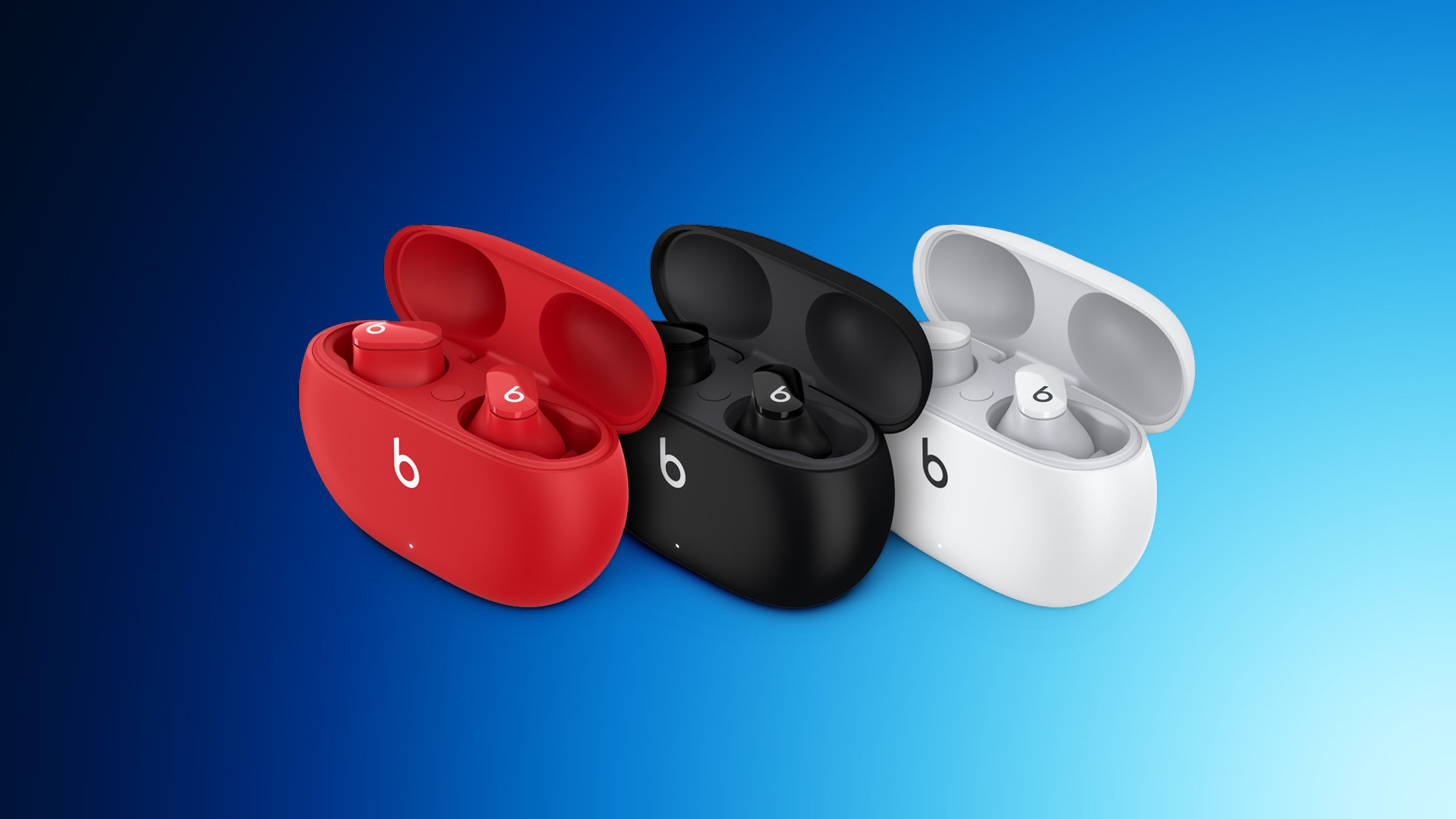
Apple released firmware 1B211 for Beats Studio Buds to patch a Bluetooth vulnerability that could let an attacker in range listen through the device's microphone before pairing. The issue was limited to unpaired earbuds in pairing mode, and the fix is delivered via a standard update process using a paired Apple device and charger. The news is a routine security update with limited likely market impact.
This reads as a containment event for AAPL rather than a balance-sheet issue: the direct financial exposure is immaterial, but the important signal is quality control in the wearables stack. The real second-order risk is not the bug itself; it is any evidence that Apple’s accessory ecosystem still inherits open-source firmware liabilities that can surface in low-visibility products before they are widely paired, tested, or patched. That matters because wearables are increasingly a services funnel, and any trust erosion around mic-access, pairing, or background connectivity can modestly slow attach rates at the margin.
Competitive impact is more nuanced. Apple’s closed-loop update process is a differentiator versus more fragmented Android accessory ecosystems, so fast remediation actually reinforces the premium security narrative relative to Bose/Sony/Jabra-style alternatives. But the fact pattern also highlights a broader supply-chain dependency: open-source code remains a latent attack surface across consumer hardware, and vendors with weaker update distribution or longer firmware cycles are more vulnerable to a reputational spread event if a similar issue is found in a higher-volume product.
For the stock, this is a short-duration headline risk unless it becomes part of a pattern alongside other product-launch noise. The likely market reaction is a brief multiple compression on “quality” optics rather than an earnings revision; any move should fade unless there is evidence of a broader recall, regulatory inquiry, or a second vulnerability in adjacent audio products. The contrarian angle is that faster patching and a visible security response can actually improve confidence in the wearables roadmap, especially if the next headphones launch lands cleanly and reframes the narrative back to innovation rather than hygiene.
From a trading standpoint, the clean expression is to avoid chasing the headline short in AAPL unless broader tech is already weak; this is more of a volatility event than a fundamental impairment. The better setup is to use any intraday dip to express a tactical long if the tape is risk-on, while keeping a tight stop in case the story expands into a consumer-security narrative. Longer term, watch whether this raises the bar on firmware update cadence across the entire accessory category, which could modestly favor the platform owner with the strongest update infrastructure.
AI-powered research, real-time alerts, and portfolio analytics for institutional investors.
Request DemoOverall Sentiment
neutral
Sentiment Score
-0.10
Ticker Sentiment
