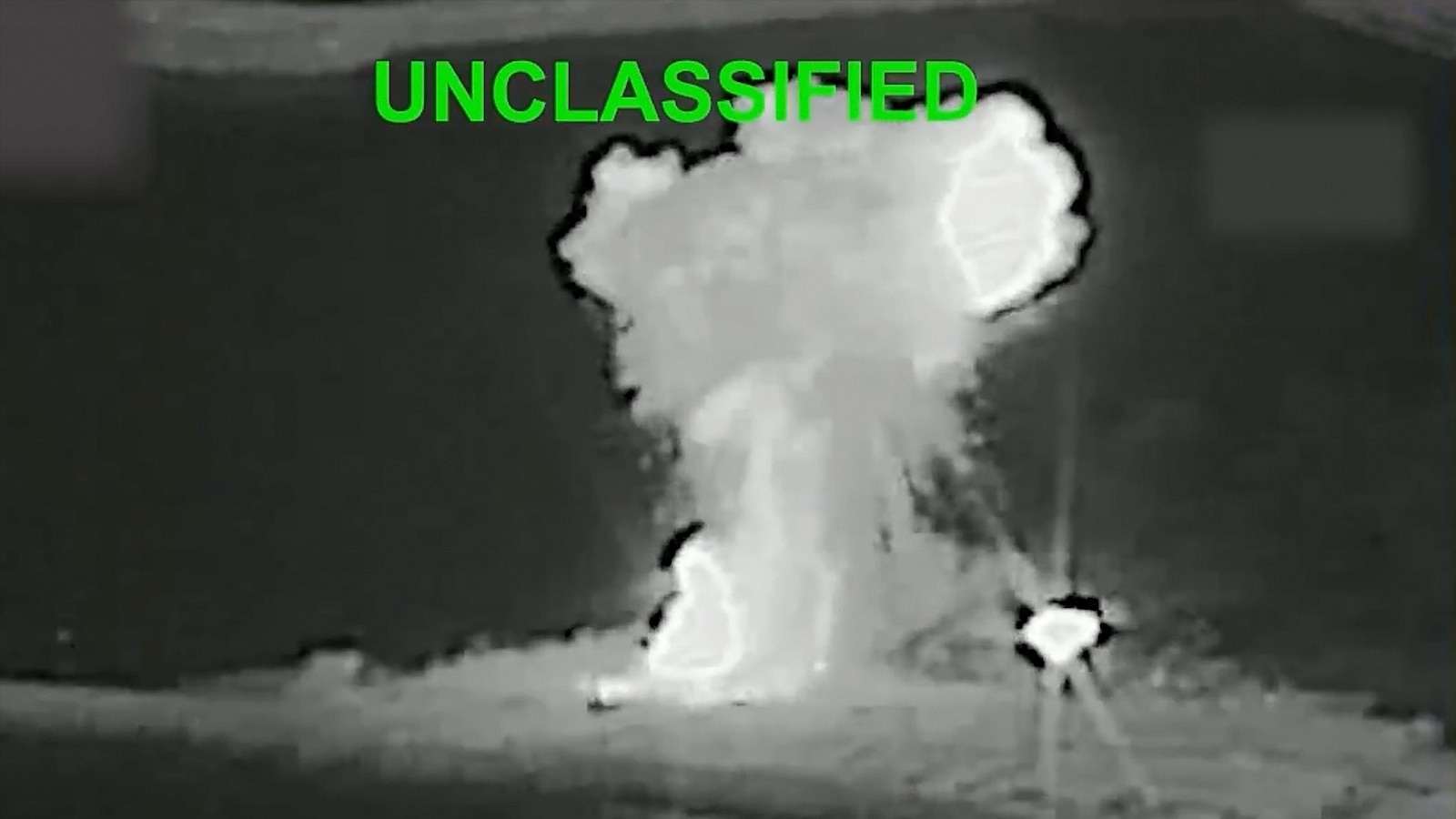
A U.S. submarine sank an Iranian warship in international waters off Sri Lanka, provoking legal scrutiny because the United States has not obtained a congressional declaration of war; military law experts say the strike would be lawful only if the conflict were authorized. Congressional war-powers resolutions failed in both chambers along party lines even as Pentagon officials signal the campaign may accelerate and broaden, heightening the risk of further escalation. Investors should treat this as an elevated geopolitical-risk event likely to increase volatility and safe-haven flows and to put upward pressure on defense and energy-related assets if the situation expands.
Market structure: Near-term winners are defense primes (Lockheed LMT, Raytheon RTX, Northrop NOC), energy producers/service names (XOM, CVX, OIH) and safe-haven assets (GLD, UUP) as risk premia and insurance demand rise; losers include airlines/cruise/shipping (AAL, DAL, CCL, RCL, JETS) and EM FX. Pricing power shifts toward defense contractors via expedited orders and higher margins on classified/urgent work; oil producers gain spare-capacity optionality if Middle East shipping risk persists. Cross-asset: expect risk-off: equities down 2–6% initially, VIX +30–70%, Treasuries rally (TLT +1–3%) then a reflation backstop if oil keeps rising.
Risk assessment: Tail risks include kinetic escalation to Persian Gulf (low probability, high impact — oil +$10–$30/bbl; equities -10–25%), maritime chokepoint attacks, cyber retaliation, and Congressional war authorization that institutionalizes higher defense spend. Timeline: days = headline-driven volatility; weeks–months = oil and insurance-premium effects on trade flows; quarters = sustained defense budget reallocation. Hidden dependencies: rising marine insurance and re-routing costs raise input prices for manufacturing and can accelerate inflation, complicating Fed policy.
Trade implications: Favor 6–12 month core longs in LMT/RTX/NOC (defense backlog re-rate) and tactical energy exposure (XLE or OIH) if Brent >+$5 from baseline within 7 days. Protect equities with 30–60 day SPX put spreads or VIX call packages and implement relative shorts in travel/shipping (JETS, AAL) into volatility spikes. Key catalysts to watch: Congressional votes (30 days), AIS shipping reroute notices, Brent crossing $95 for >5 trading sessions.
Contrarian angles: Consensus prices a short-lived scare; history (2019 tanker incidents) shows oil spikes fade in 2–8 weeks absent wider war — so energy/defense pops can be mean-reverting. If Brent cannot sustain >$95 or Congress declines authorization, unwind energy and reduce defense add-ons; conversely, a single major shipping attack or UK/EU sanctions could make current moves too small, not too large.
AI-powered research, real-time alerts, and portfolio analytics for institutional investors.
Request TrialOverall Sentiment
strongly negative
Sentiment Score
-0.55
