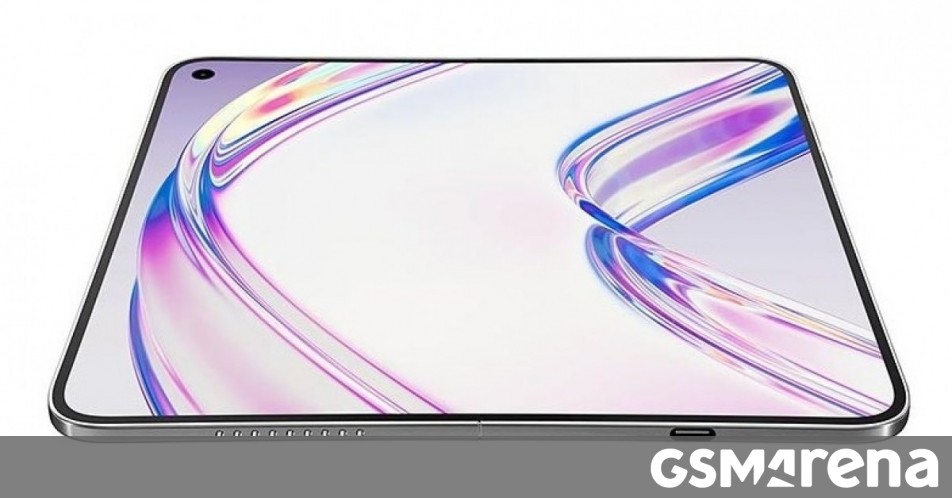
March 17: Oppo will launch the Find N6 with a crease-less foldable display, and a tipster says Apple’s first foldable iPhone could use similar display technology. A leak suggests the iPhone Fold’s crease may be under 0.15mm; it's expected to debut in September with a 7.8-inch inner screen and a 5.49-inch cover display. Suppliers working on Oppo’s new display also supply Apple, indicating potential technology transfer but limited immediate market disruption.
A crease-minimizing display rollout is less a product story and more a supply-chain shock absorber: multi-sourcing the same novel stack (UTG/film/adhesive/hinge) across Chinese and Korean vendors compresses single-supplier bargaining power and front-loads capex into component makers. That should support a 6–18 month window of above-normal supplier margins and tighter lead times for whoever wins first-to-volume, even if Apple caps ASP upside by preserving iPhone pricing power.
Second-order winners include repair and accessory ecosystems (specialized covers, replacement UTG) and Apple Services via longer device lifetimes if foldables reduce replacement cadence — this could modestly raise services retention over 2–4 years and slightly change installed-base growth math without meaningfully altering near-term smartphone unit comps. Conversely, Android OEMs that compete on price will face amplified capex burdens and inventory risk if yields are suboptimal during ramp, which favors incumbents with deep manufacturing ties.
Tail risks concentrate in manufacturing yield and consumer utility: a shallow crease endures as a perceptual UX wedge — if teardowns or early reviews show visible durability issues or repair costs >$300, adoption could stall quickly and force markdowns. Timing is crucial: expect a market reaction window in the next 3–9 months (component quarterly reports and supplier guidance), and full-volume adoption should be assessed on a 12–24 month horizon rather than immediate September launch noise.
Watch catalysts that would reverse the positive supplier/Apple tilt: (1) leaked durability test failures, (2) supplier mix changes that increase per-unit BOM by >5–7%, or (3) a competitor (Samsung/Huawei) introducing superior hinge/film economics that reclaims OEM design wins within two quarters. Each would materially widen downside for unhedged long-AAPL exposure into the product cycle.
AI-powered research, real-time alerts, and portfolio analytics for institutional investors.
Request DemoOverall Sentiment
neutral
Sentiment Score
0.00
Ticker Sentiment
