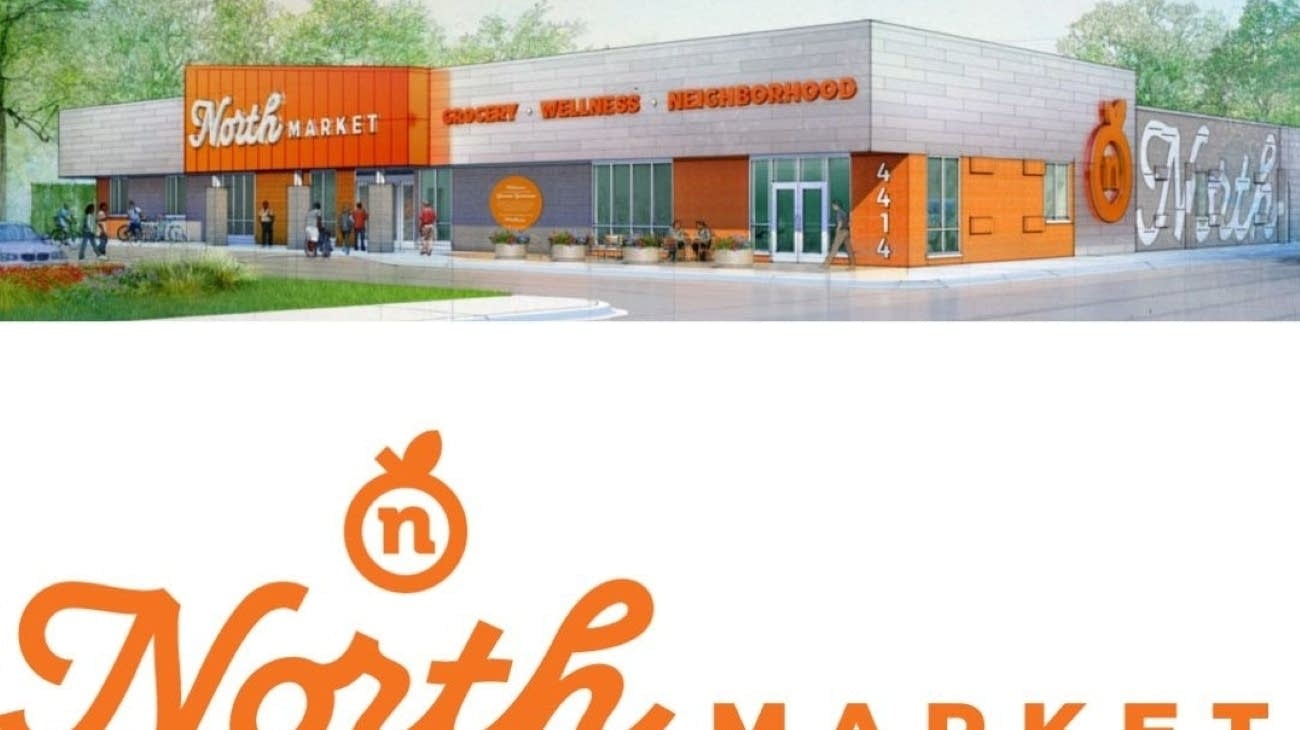
A grocery store in North Minneapolis will temporarily close to convert to a new store format; the report provides no operator identity, timeline, financials or scale. The move signals a local operational and strategic repositioning that may disrupt sales at that location in the short term but contains insufficient detail to assess any material corporate or market implications.
Market structure: A single North Minneapolis store temporarily closing to reformat is a micro signal that favors scaled operators and flexible-format players (discount chains, big-box grocers, grocery-anchored landlords) and hurts independent mom-and-pop grocers, specialty ethnic grocers and small owners of single-tenant properties. Expect modest local share shifts (1–3% within a neighborhood) that compound if the new format succeeds and is rolled out across similar urban locations over 6–24 months, increasing pricing power for scale operators on staples and reducing per-store margins for independents.
Risk assessment: Immediate risk (days–weeks) is lost revenue and potential inventory write-downs; short-term (1–6 months) risks include failed format test and community backlash; long-term (6–24 months) risks include tenant churn and higher vacancy that can pressure grocery-anchored REIT cash flows. Tail risks (low probability, high impact) include regulatory/rezoning action or a crime-driven exodus that depresses local rents >10% and forces landlords to offer long-term abatements; key hidden dependency is lease structure—percentage rent vs fixed rent materially changes landlord vulnerability.
Trade implications: The clearest investable axis is scale and real estate resilience. Overweight large-format, membership grocers and grocery-anchored REITs for a 6–18 month horizon, and favor dollar/discounter players if conversion signals broader discounting. Cross-asset impact is minimal; municipal credit could worsen only in concentrated retail districts if multiple closures push unemployment higher over a year.
Contrarian angles: Market may dismiss this as hyper-local, but chains use pilots to validate low-cost, high-frequency formats—successful pilots can be rolled out rapidly (10–50 stores per year) and compress margins of independents faster than headline retail data shows. If you believe rollouts scale, current small-cap and local-operator valuations underprice consolidation risk; conversely, if pilots fail, expect localized re-pricings in retail real estate within 3–9 months.
AI-powered research, real-time alerts, and portfolio analytics for institutional investors.
Request DemoOverall Sentiment
neutral
Sentiment Score
0.00
