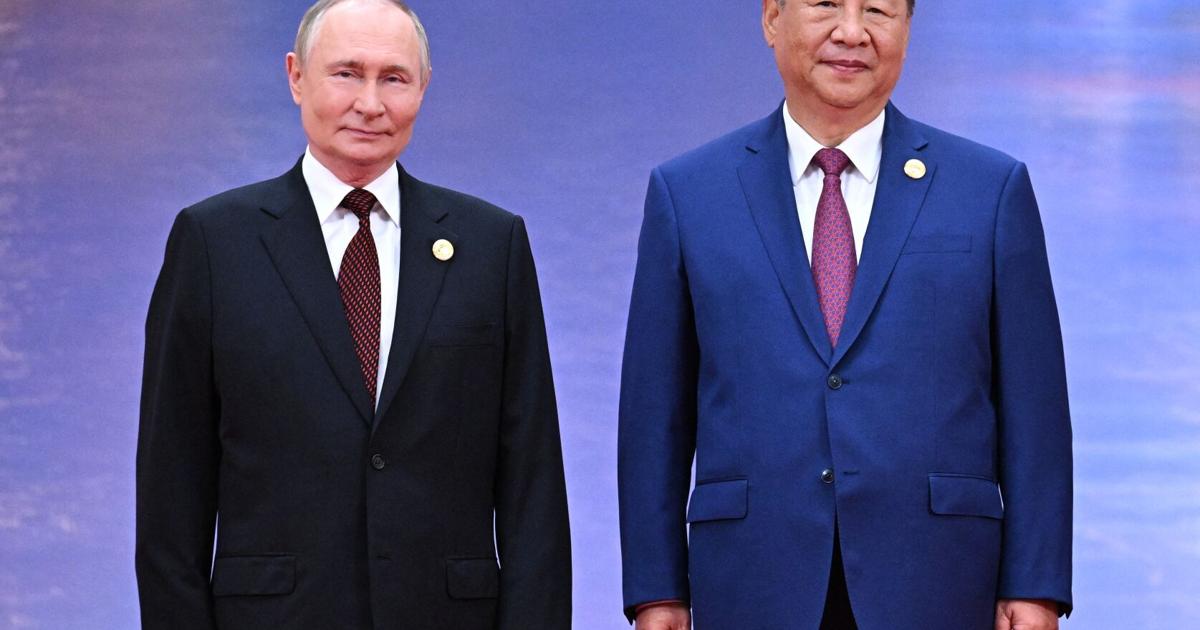
Xi Jinping stressed that China-Russia ties are unusually “precious” amid global chaos and called for closer strategic coordination, multilateralism, and stronger UN-backed cooperation. Lavrov said bilateral relations remain resilient, with improving trade and investment cooperation and close coordination on multilateral platforms. The piece is primarily diplomatic rhetoric, with limited immediate market impact absent new policy or sanctions measures.
The signal here is less about rhetoric and more about formalizing a durable anti-sanctions bloc. The incremental market implication is that China is likely to keep providing Russia with the financing, logistics, and trade plumbing that prevents a hard macro break in either economy, which is bearish for any policy-sensitive attempt to squeeze Moscow but supportive for select EM intermediaries that sit in the gray zones of commodities, shipping, and re-export channels.
Second-order effects matter more than the headline. If Beijing leans further into strategic coordination, the most exposed assets are not obvious Russia proxies but firms tied to Western compliance, defense supply chains, and non-aligned commodities routes that face more inspection, insurance friction, and payment delays. That tends to widen spreads in shipping, raise working-capital needs for exporters, and create episodic dislocations in industrial metals and energy where headline peace narratives can unwind quickly on new coordination steps.
The contrarian view is that markets may underprice the persistence of this alignment because it is being treated as diplomatic theater rather than operational infrastructure. A U.S.-driven de-escalation in one conflict would not necessarily weaken the China-Russia axis; in fact, reduced Western pressure could free up diplomatic bandwidth for deeper trade, tech, and currency experimentation over the next 6-18 months. The real risk case is a sharper secondary-sanctions regime or export-control escalation, which would hit EM transport, banks, and China-facing industrials before it shows up in broad equity indices.
AI-powered research, real-time alerts, and portfolio analytics for institutional investors.
Request TrialOverall Sentiment
neutral
Sentiment Score
0.00
