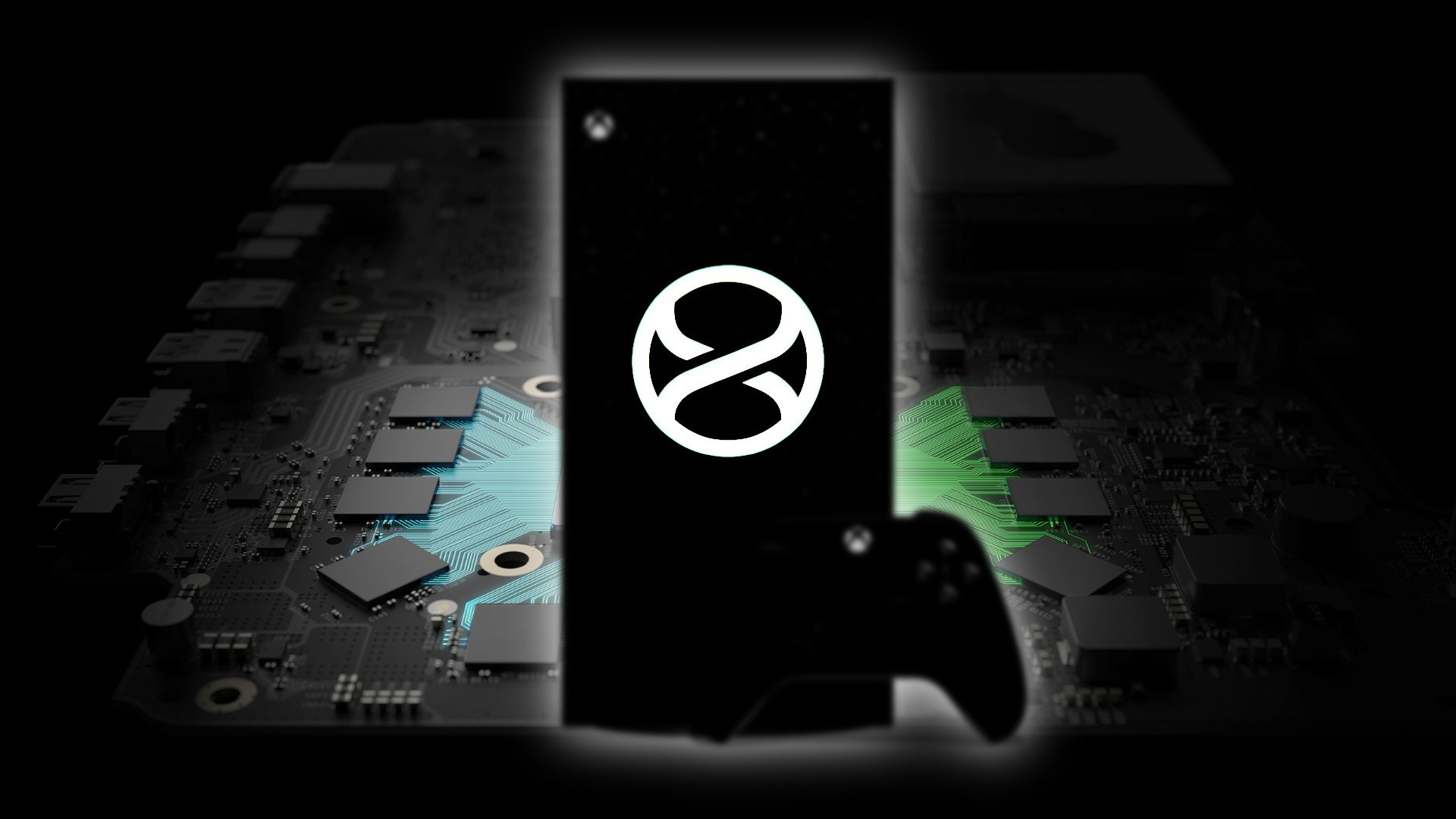
Xbox is confirmed to be developing its first-party next-gen Project Helix console, with support for both console and PC games. The article adds unconfirmed speculation that AMD's Helix chip could also underpin third-party devices from ASUS or MSI, though Xbox has not confirmed any such plans. Backward compatibility may be limited to first-party hardware due to licensing issues, making the broader Helix lineup uncertain for now.
The key market implication is not the new console itself, but the optionality around the silicon platform becoming a broader OEM standard. If Microsoft allows a family of third-party devices to anchor on the same chip architecture, the addressable market expands from one cycle of first-party hardware sell-through into a longer-tail licensing/ecosystem model, which is structurally better for AMD’s unit economics than a single console win. The second-order effect is that AMD could gain leverage over a wider set of device SKUs without bearing go-to-market costs, while Microsoft preserves strategic control over software and services monetization.
For MSFT, this reads as a platform-defense move rather than a hardware profit story. The upside is tighter integration of gaming, PC, and portable devices into the Microsoft ecosystem, but the risk is cannibalization: if lower-spec third-party devices proliferate, the flagship console may face margin dilution or brand fragmentation unless Microsoft carefully segments backward compatibility and feature access. That creates a longer decision tree over 12-24 months, not a near-term revenue catalyst, and the equity may not fully price the optionality until Microsoft clarifies licensing terms.
The contrarian angle is that the market may be overfocusing on console unit counts and underestimating software attach and ecosystem lock-in. If third-party Helix devices exist but lack full backward compatibility, they could actually reinforce the premium first-party box as the only “full fidelity” option, which is the best outcome for pricing power and engagement. The main reversal risk is that Microsoft keeps the platform too closed, limiting OEM participation and collapsing the rumored broader ecosystem premium back into a standard console refresh story.
From a trading standpoint, AMD has the cleaner asymmetric setup: the market tends to underwrite console silicon as a low-multiple, cyclical revenue stream, but a multi-device architecture could re-rate the narrative toward platform royalty-like exposure. MSFT is more of a medium-duration catalyst, with limited immediate earnings impact but improved strategic optionality if the product roadmap broadens.
AI-powered research, real-time alerts, and portfolio analytics for institutional investors.
Request TrialOverall Sentiment
neutral
Sentiment Score
0.05
Ticker Sentiment
