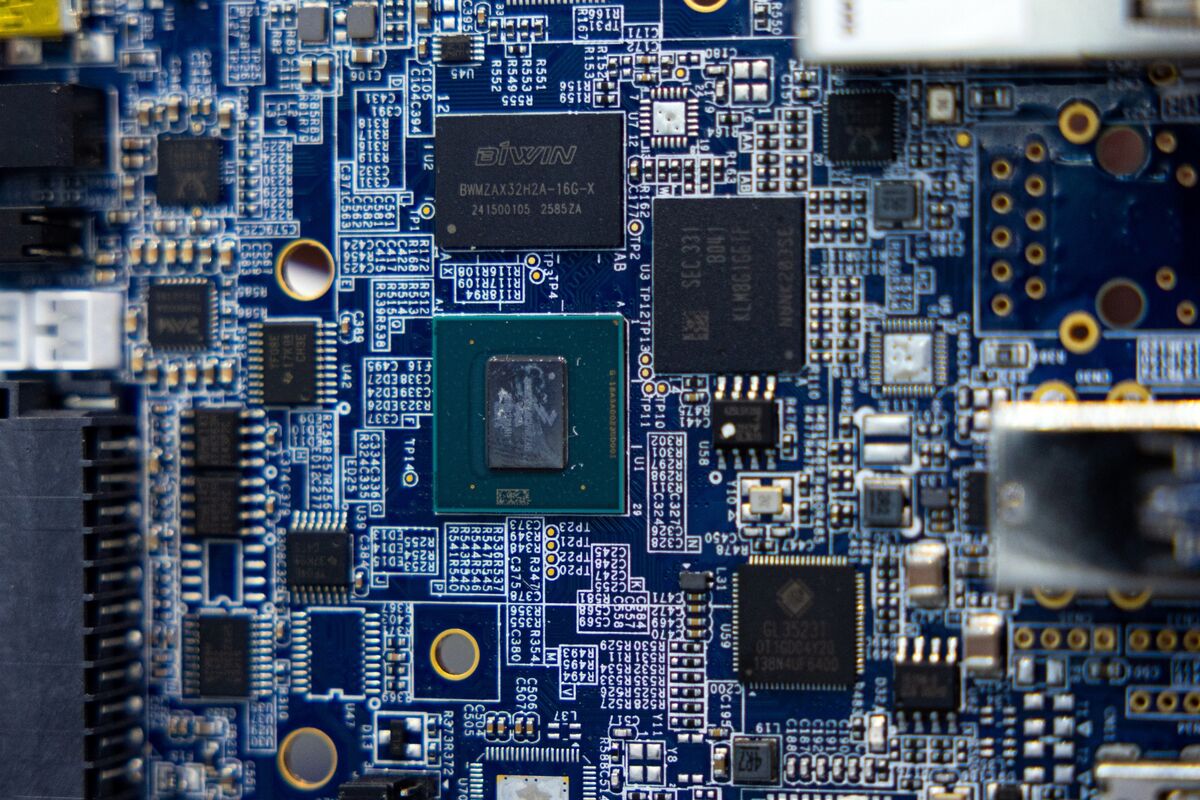
Taiwan has implemented export controls on major Chinese companies, notably blacklisting leading chip firms, to prevent its domestically developed technology from being used to compromise national security. Vice President Hsiao Bi-khim confirmed these measures, stating the aim is to ensure Taiwanese innovation does not harm its people, signaling a strategic use of its technological leadership for geopolitical safeguarding despite challenging industry discussions.
Taiwan is formalizing its strategic use of technology as a tool for national security by implementing export controls and blacklisting major Chinese technology companies, specifically within the chip sector. According to Vice President Hsiao Bi-khim, the explicit goal is to prevent Taiwanese-developed innovation from being leveraged against the island's own security interests. This defensive measure underscores the escalating geopolitical tensions in the region and highlights Taiwan's critical, yet vulnerable, position in the global semiconductor supply chain. The government's acknowledgement of "challenging conversations" with private businesses indicates a potential conflict between national security imperatives and the commercial interests of Taiwanese firms that have significant business ties with mainland China. The policy introduces a new layer of regulatory and supply chain risk for the technology sector, with the moderate market impact score reflecting uncertainty until the full scope of the blacklist and the targeted technologies are detailed.
AI-powered research, real-time alerts, and portfolio analytics for institutional investors.
Request DemoOverall Sentiment
mixed
Sentiment Score
0.00
