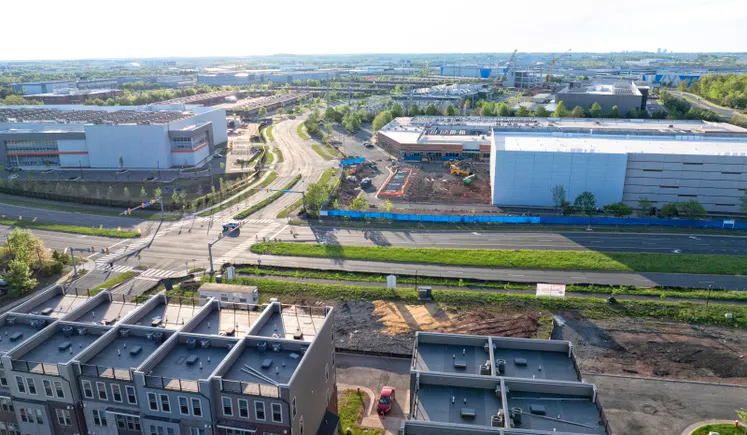
Lead times for generator interconnection now average 4–7 years and electricity prices rose 6.7% year-over-year, while hyperscale campuses often demand 100–300 MW each, creating clustered load that outpaces local grid capacity. The article warns of growing political backlash and fiscal strain as residents perceive utilities and ratepayers absorbing reliability risk and upgrade costs, and recommends three policy responses: regionally integrated planning (high-compatibility zones), enforcement of a 'beneficiary pays' rate design with performance-based incentives, and binding community reciprocity (transparent resource use, benefit-sharing, and workforce pipelines). These shifts would be sector-relevant and could materially affect utilities, hyperscalers and local permitting outcomes if adopted.
The visible conflict between hyperscale digital demand and local energy systems is reallocating durable capex away from pure cloud buildouts toward transmission, substation work and behind‑the‑meter solutions. Expect a multi‑billion dollar rerouting of vendor revenue pockets over the next 12–36 months as developers choose paid upgrades or on‑site resiliency instead of protracted permitting fights; that shifts margin capture to contractors, switchgear manufacturers and integrators rather than to hyperscalers’ internal ops teams.
Political and permitting friction is effectively a tariff on speed: it raises the hurdle rate for new campuses and embeds optionality value in firms that can deliver turnkey engineering + community reciprocity (engineering firms, specialist EPCs, local workforce trainers). This creates asymmetric outcomes — short, sharp hits to equities exposed to headline risk but steady, contractable cashflows for regulated or contractor counterparties that win long lead‑time projects.
Regulatory moves toward “beneficiary pays” and dynamic pricing will compress utility upside where cost recovery is ambiguous and increase value for storage, demand‑response platforms and software that monetizes flexibility. A 6–24 month window of regulatory clarification and a 12–36 month wave of awarded transmission contracts are the most probable catalysts; failure of policymakers to act would instead slow capex and preserve status quo political risk, handing a temporary defensive win to large hyperscalers with balance‑sheet optionality.
AI-powered research, real-time alerts, and portfolio analytics for institutional investors.
Request DemoOverall Sentiment
mildly negative
Sentiment Score
-0.25
