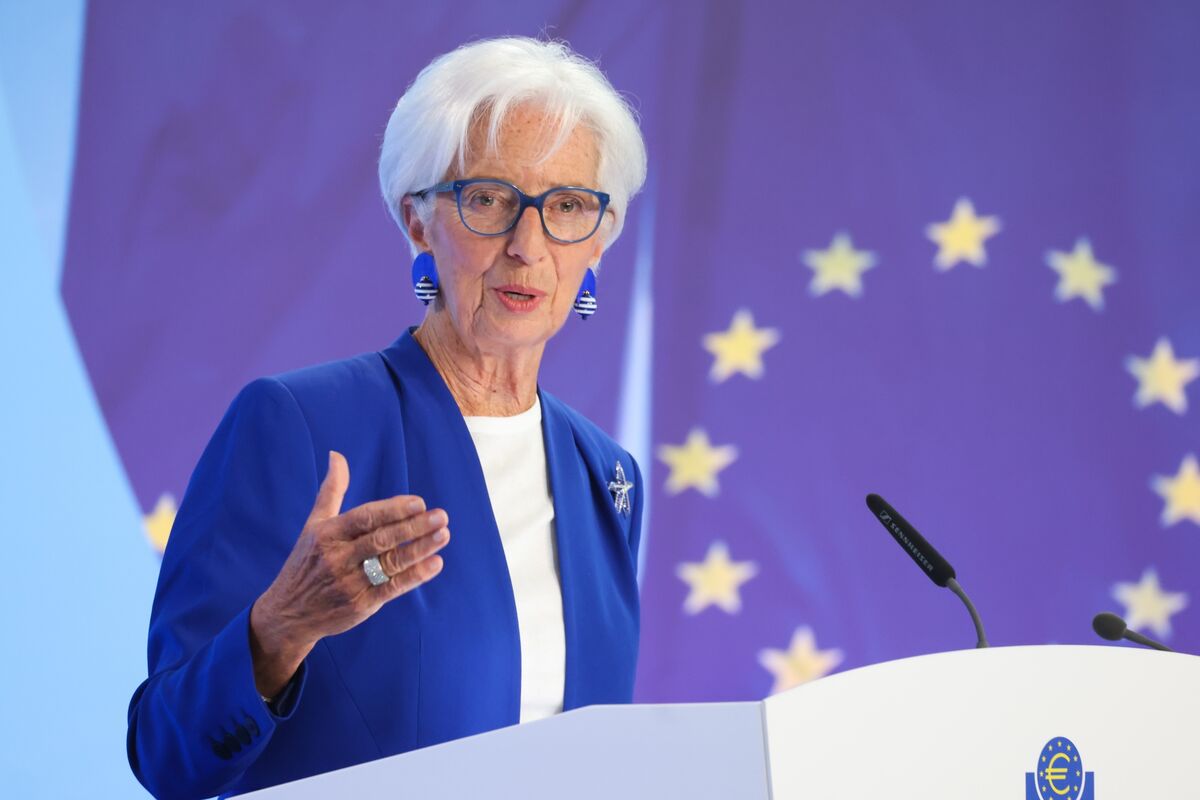
ECB officials said a US-Iran peace accord would not necessarily stop further interest-rate hikes, even if it reduces the risk of a bigger inflation overshoot. While they welcome the prospect of oil shipments resuming through the Strait of Hormuz, they argue the energy shock has already done significant economic damage and support last week’s rate hike.
The key market implication is that a geopolitical de-escalation does not mechanically unwind the inflation impulse once it has been transmitted through transport, utilities, and wage-setting behavior. That creates a classic central-bank asymmetry: even if front-end energy prices soften, policy stays restrictive because officials need to re-anchor expectations after the shock has already bled into core services and real activity. In practice, that means the market may be underpricing how long terminal-rate pricing can remain sticky even if crude retraces.
The second-order winner is not necessarily energy producers, but duration-sensitive sectors that have already been hit by higher-for-longer financing conditions. Lower oil reduces headline inflation quickly, but if central banks refuse to declare victory, cyclicals and small caps face a worse mix: less cost relief than expected, but still elevated discount rates. Banks are a mixed case—net interest margins stay supported, yet credit risk rises as consumer and SME budgets absorb the lagged energy shock over the next 1-2 quarters.
The contrarian miss is that peace may create a cleaner trade in rates than in commodities. Oil can mean-revert fast, but policy reaction functions lag and are path-dependent; that favors being long front-end yields versus short energy beta if the market is too aggressive on a dovish reprice. The real reversal catalyst is not diplomacy alone, but evidence of a rapid pass-through fade in PMIs and wage data; absent that, the ECB can justify staying hawkish into a weakening growth tape.
AI-powered research, real-time alerts, and portfolio analytics for institutional investors.
Overall Sentiment
neutral
Sentiment Score
-0.10
