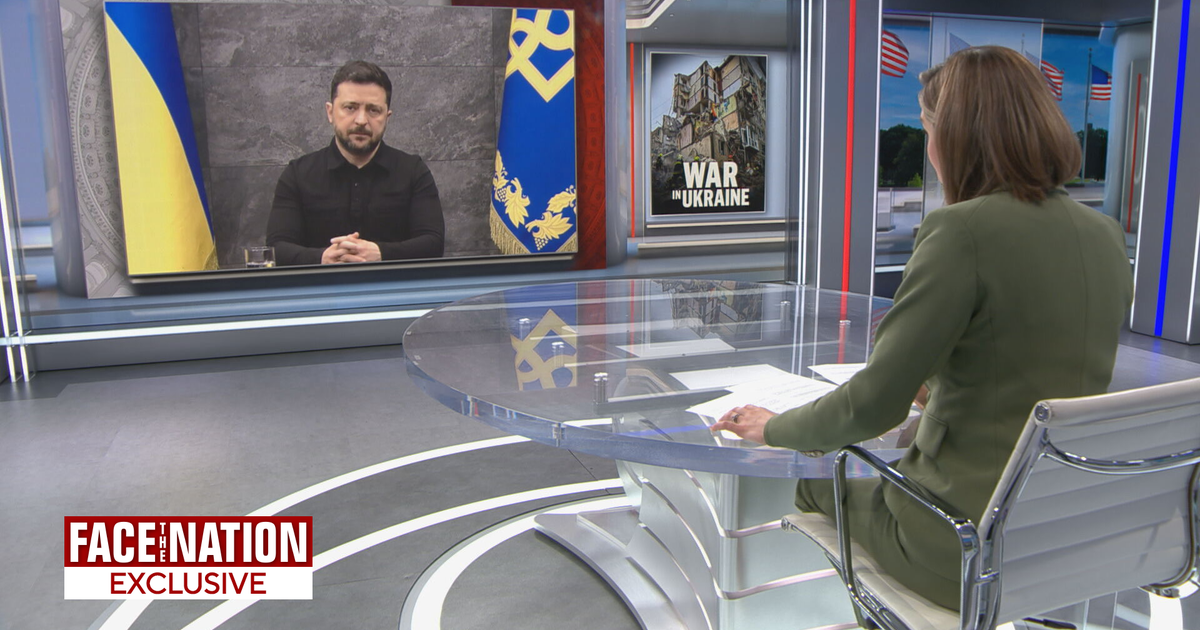
Ukraine says it is bracing for "big attacks" by Russia within the next 24 hours, with intelligence pointing to drones plus cruise and ballistic missiles. Zelenskyy cited a recent Russian bombardment of Kyiv involving 600 drones and dozens of missiles that killed 2 and wounded 83, while also pressing the U.S. for more Patriot systems. The article also reports a Russian drone strike in Romania and a hit on a Turkish-owned cargo ship, heightening NATO security concerns and cross-border escalation risk.
The immediate market signal is not a broad risk-off shock; it is a repricing of European tail risk around air-defense scarcity. The key second-order issue is that each escalation cycle forces Ukraine and NATO to burn higher-value interceptors against low-cost drones and mixed salvos, which is economically unfavorable and increases the probability of emergency procurement of Patriot-class systems, radar, EW, and interceptor stockpiles.
That creates a near-term bid for U.S. defense primes with layered missile-defense exposure, but the better expression is not pure “war headline beta.” The next 1-3 months likely favor firms with production bottlenecks in interceptors, seekers, and command-and-control integration, because governments will pay up for delivery speed and sovereign inventory. A sustained escalation also pressures European industrials tied to energy, shipping, and Black Sea logistics, where even short-lived route disruptions can hit margins faster than headline sanctions do.
The contrarian read is that the market may underprice NATO’s incremental response threshold. If Russian spillover into Romania/Turkey is interpreted as testing rather than accidental overrun, the policy response can shift from rhetorical support to accelerated defense spending, which is bullish for defense order books but bearish for any assets dependent on a quick de-escalation narrative. On the other hand, if this turns into a one- or two-night salvo rather than a sustained campaign, the trade will fade quickly once no new escalation is confirmed.
For GOOGL specifically, direct earnings sensitivity is negligible, but the broader risk is reputational and regulatory noise around AI/OSINT-enabled conflict monitoring rather than financial impact. The more investable angle is the defense supply chain: the market likely still underestimates how much of Europe’s rearmament cycle is being pulled forward by this kind of cross-border spillover, not by battlefield movement alone.
AI-powered research, real-time alerts, and portfolio analytics for institutional investors.
Request DemoOverall Sentiment
strongly negative
Sentiment Score
-0.78
Ticker Sentiment
