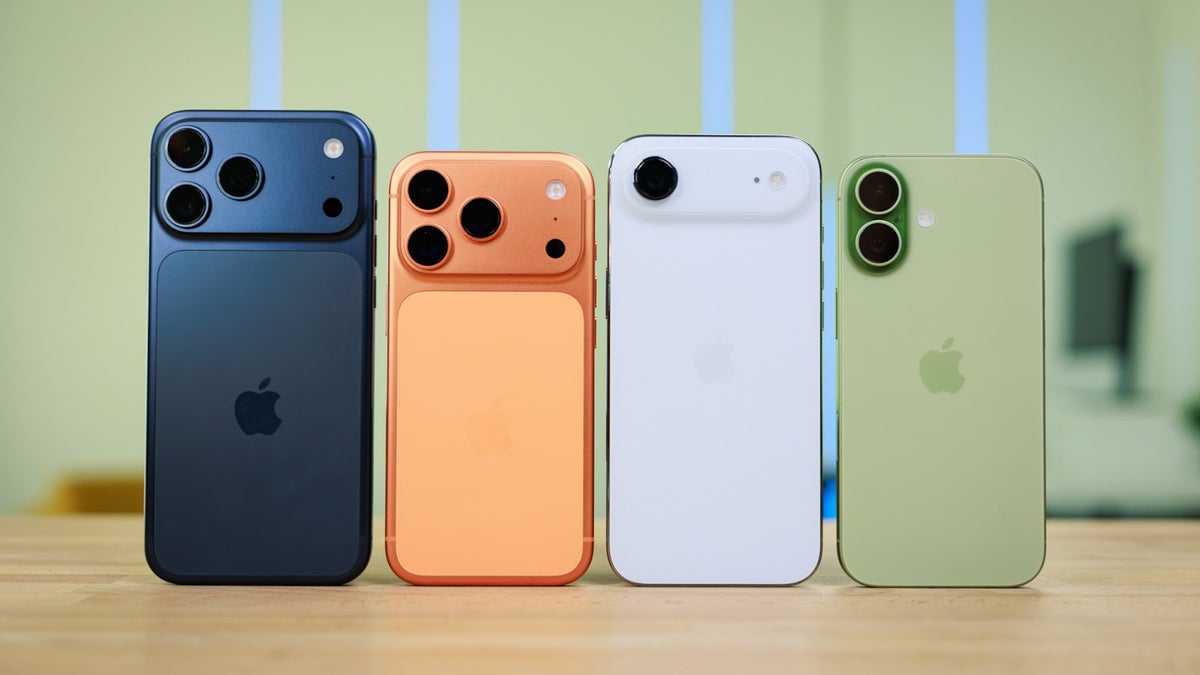
Apple’s planned 20th-anniversary iPhone 20 Pro may be delayed in scope as under-display selfie camera and Face ID components are reportedly not ready, with quality concerns forcing Apple to consider compromises. The article says Apple had aimed for an edge-to-edge, cutout-free design for a 2027 launch, but hardware limitations could prevent the full concept from reaching market. This is product-cycle uncertainty rather than a direct financial hit, so the likely market impact is limited.
The market implication is not “Apple delayed a feature,” but that the company may be walking back a near-term premium-product reset that could have widened the gap versus Android flagships. If the 20th-anniversary device loses its true design delta, the upgrade cycle becomes more dependent on pricing, services attach, and colorways rather than a must-have hardware event — a setup that usually compresses enthusiasm in the 3-6 month window before launch. That matters most for the component ecosystem exposed to a high-spec iPhone mix, where even a small shift toward a more incremental model can dilute ASP assumptions and reduce leverage for suppliers tied to display novelty and advanced front-stack integration.
Second-order effect: the real optionality is not on the base iPhone unit line, but on whether Apple can preserve the “aspirational” tier that drives premium mix and carrier subsidies. If the industrial design leap is postponed, Android OEMs get a freer hand to frame their own under-display or edge-to-edge efforts as “good enough,” especially in Asia where premium share battles are won on optics as much as camera quality. In that scenario, the supply chain wins are more likely to accrue to mature incumbents with diversified demand rather than the most innovation-sensitive names that were expecting a step-function content increase.
The near-term setup is binary over a 6-18 month horizon: either Apple finds a camera/Face ID breakthrough and the stock re-rates on a cleaner anniversary narrative, or it ships a softer compromise and the event becomes a modest product refresh. The contrarian point is that the market may be overpricing the disappointment already — Apple’s equity story has increasingly been services, buybacks, and ecosystem retention, not single-device design heroics. So the downside from this headline is likely more pronounced in supplier sentiment than in AAPL itself unless the delay signals broader execution slippage.
AI-powered research, real-time alerts, and portfolio analytics for institutional investors.
Request DemoOverall Sentiment
moderately negative
Sentiment Score
-0.20
Ticker Sentiment
