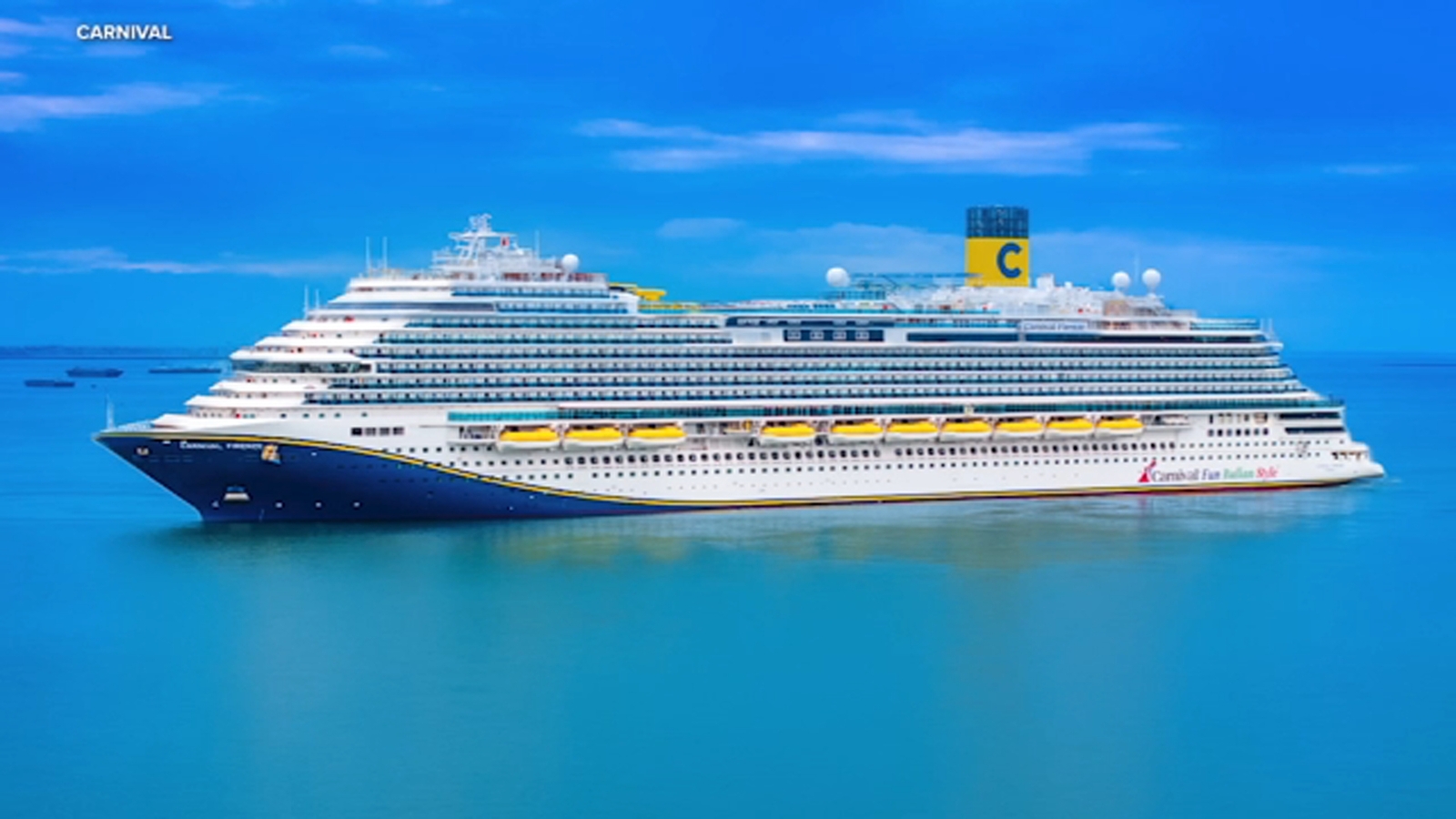
A death aboard the Carnival Firenze is under investigation after a female guest apparently fell from a balcony in her stateroom near Catalina Island and landed on a lower deck. Carnival confirmed the incident, said the family has returned home, and noted that its Care Team is supporting them. The FBI and local law enforcement responded, but no name, age, or cause of death has been released.
This is not a broad demand shock for cruise, but it is a reminder that the sector carries a materially higher litigation and reputational tail risk than the market typically prices. For operators, the second-order issue is not the incident itself but the duration and scope of inquiry: even when facts ultimately point to an isolated event, the near-term pressure comes from legal discovery, media amplification, and tighter onboard safety scrutiny that can raise operating costs and slow booking conversion for weeks to months.
The most exposed equity reaction usually shows up in the lowest-quality names first: companies with weaker balance sheets, higher leverage, or a greater reliance on premium pricing are more vulnerable to any incremental discounting needed to protect load factors. Carnival is especially sensitive because its equity story already depends on maintaining a clean recovery narrative; a headline like this can force a modest reset in consumer confidence even if it has little direct P&L impact. The more interesting second-order effect is on the broader travel basket: if this becomes a recurring news cycle, some discretionary travelers may substitute toward land-based leisure, benefiting hotels and theme parks at the margin over the next booking window.
The contrarian view is that the market may overestimate earnings risk and underestimate the speed with which these events fade from consumer memory. Unless investigators uncover operator negligence or a systemic safety issue, the financial damage is usually concentrated in legal reserve noise and a short-lived booking headwind, not a structural demand break. That makes the setup more suitable for event-driven volatility trading than for a high-conviction fundamental short.
Risk rises meaningfully only if the story broadens into regulatory action or multiple incidents cluster within the next 1-3 months. In that case, the industry could face higher insurance premia and stricter operating protocols into the next wave of bookings, which would pressure margins more durably than a one-off reputational hit.
AI-powered research, real-time alerts, and portfolio analytics for institutional investors.
Request DemoOverall Sentiment
neutral
Sentiment Score
-0.10
