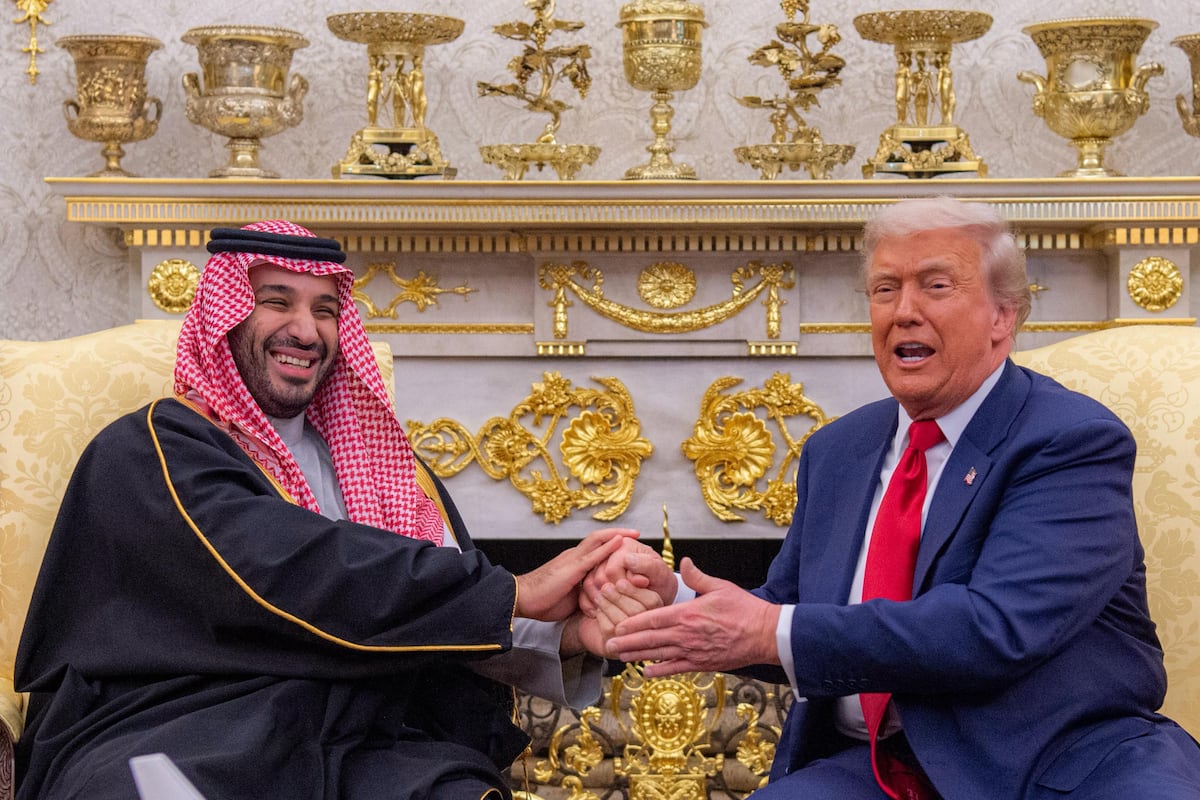
Despite the CIA’s conclusion that Crown Prince Mohammed bin Salman ordered Jamal Khashoggi’s murder, states and corporations have quietly rebuilt ties with him on a pragmatic, transactional basis: Russia hosted and deepened energy and geopolitical cooperation (including BRICS outreach), the U.S. has resumed high-level engagement culminating in a high-profile state dinner attended by tech and business leaders, and companies such as Amazon have expanded investments in Saudi Arabia. European governments have also continued arms and trade relationships—SIPRI notes Saudi suppliers from 2020–24 were led by the U.S. (74%), followed by Spain (10%) and France (6.2%)—while Turkey suspended its prosecution in return for economic and financial rapprochement, including a Saudi currency-swap that helped stabilize the lira. For investors, the story underscores that geopolitical and commercial incentives have largely outweighed human-rights backlash, accelerating capital, energy and defense flows tied to Riyadh even as reputational and rule-of-law questions persist.
The article documents a clear rehabilitation of Saudi Crown Prince Mohammed bin Salman in global political and commercial circles despite CIA findings that link him to Jamal Khashoggi’s 2018 murder; high‑profile engagements cited include a state dinner in Washington attended by business leaders (Elon Musk, Tim Cook), sports figures (Cristiano Ronaldo) and references to Amazon’s expanded investment in Saudi Arabia and Jeff Bezos’ past ties. Geopolitical alignment with Russia is highlighted—Putin’s early outreach, coordinated energy policy, Saudi funds investing in Russia and BRICS engagement—while Turkey’s 2022 suspension of its in absentia trial and a Saudi currency‑swap that helped stabilize the lira illustrate transactional normalization. Defense and trade normalization is quantified by SIPRI: Saudi arms suppliers 2020–24 were led by the U.S. (74%), Spain (10%) and France (6.2%), underscoring continued large‑scale procurement even amid human‑rights controversy. Market signals in the package show moderately negative sentiment overall and specific negative tilt for AAPL (–0.2) and AMZN (–0.4) while a modest market impact score (0.25) suggests transactional flows are likely to support energy and defense revenues but leave reputational and regulatory risks elevated and headline‑driven volatility possible.
AI-powered research, real-time alerts, and portfolio analytics for institutional investors.
Request DemoOverall Sentiment
moderately negative
Sentiment Score
-0.50
Ticker Sentiment
