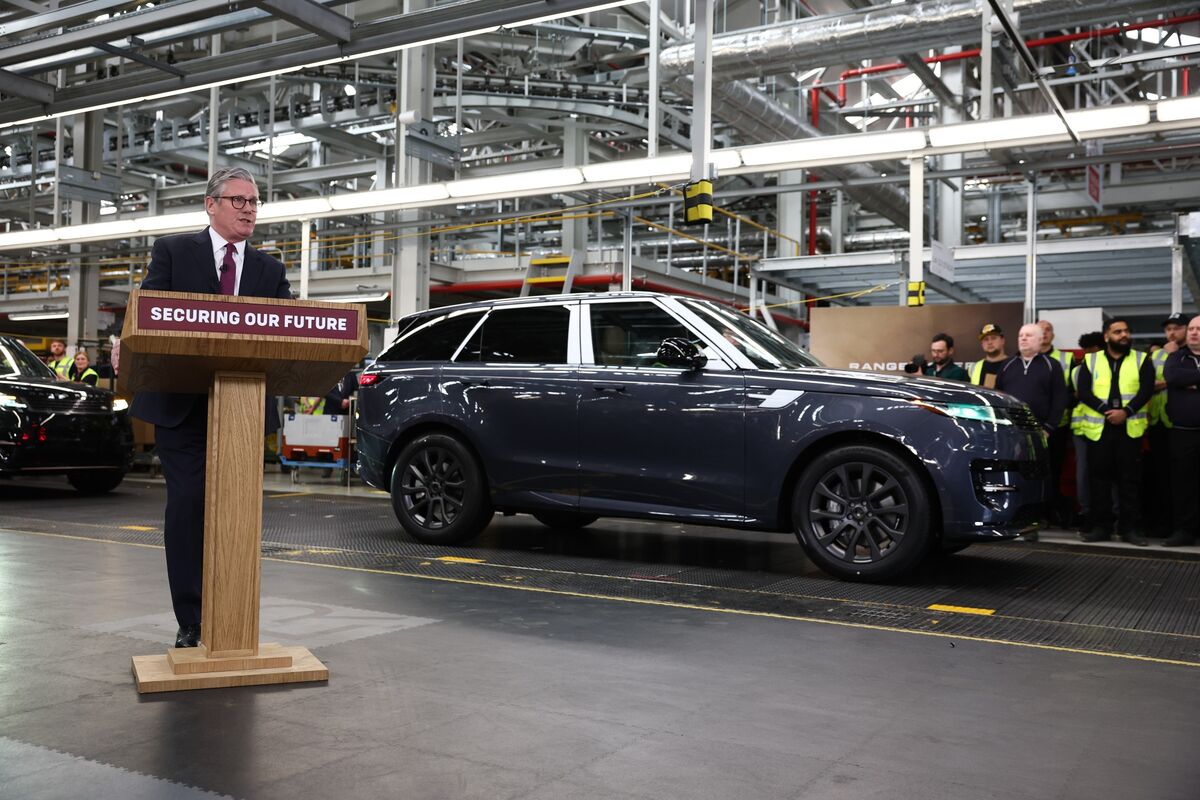
UK Prime Minister Keir Starmer's May announcement of a US-UK trade deal, including zero US tariffs on British steel, has yet to materialize over three months later. This non-implementation leaves trade partners, exemplified by steel lobbyist Peter Brennan, increasingly restless and underscores the lingering uncertainty surrounding the realization of promised trade agreements from the former Trump administration.
A significant disconnect has emerged between political announcements and policy execution regarding UK-US trade, creating uncertainty for key industrial sectors. More than three months after UK Prime Minister Keir Starmer announced a trade deal that included the elimination of US tariffs on British steel, the relief has not materialized, causing restlessness among industry stakeholders like the steel lobby. The announcement, made at a Jaguar Land Rover factory, implicitly links the health of the UK's automotive sector to the resolution of this trade barrier. The situation underscores the contingent and uncertain nature of trade agreements tied to political figures, in this case, a deal purportedly secured with former US President Donald Trump, rather than the current administration. This delay highlights a tangible risk for the UK steel industry, whose competitiveness is directly impacted by these tariffs, and reflects the broader theme of trade policy being subject to unpredictable political timelines.
AI-powered research, real-time alerts, and portfolio analytics for institutional investors.
Request DemoOverall Sentiment
moderately negative
Sentiment Score
-0.40
