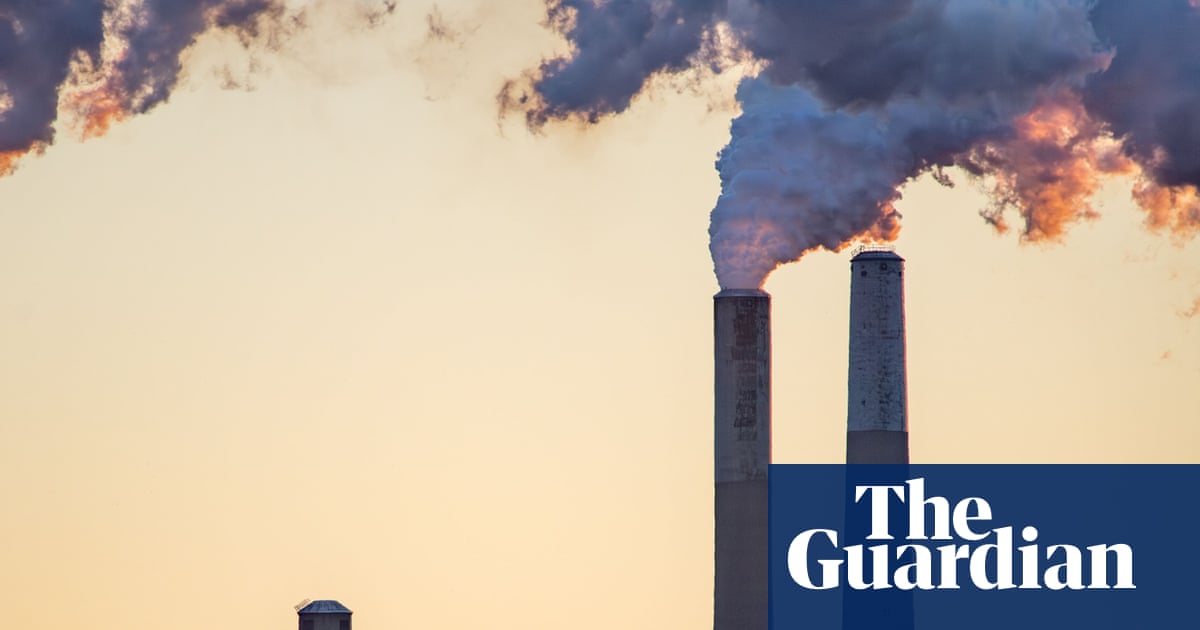
New analysis reveals that over 1,600 fossil fuel lobbyists, representing 1 in 25 participants, gained access to the Cop30 climate negotiations, significantly outnumbering most national delegations and marking a 12% increase from the previous year. This substantial industry presence, including representatives from major oil and gas firms like ExxonMobil and BP, raises concerns among critics about corporate capture and the credibility of climate governance, particularly as nearly $250 billion is earmarked for new fossil fuel projects since Cop29. The findings underscore the persistent influence of the fossil fuel sector at critical climate policy forums, potentially impacting the pace and direction of global energy transition efforts and highlighting ongoing political and regulatory challenges for climate-related investments.
The Cop30 climate negotiations in Belém are marked by an unprecedented presence of over 1,600 fossil fuel lobbyists, constituting 1 in 25 participants and representing a 12% increase from last year's talks. This significant industry contingent, including representatives from ExxonMobil, BP, and TotalEnergies, notably outnumbers most national delegations and received 60% more passes than the 10 most climate-vulnerable nations combined. This underscores the substantial and growing influence of the fossil fuel sector within critical climate policy forums.
Critics, including the Kick Big Polluters Out coalition, assert this constitutes "corporate capture" rather than effective climate governance, citing an "irreconcilable conflict of interest" akin to the tobacco industry. This influence persists despite an ICJ ruling suggesting continued fossil fuel expansion may be an internationally wrongful act, and with nearly $250 billion earmarked for new oil and gas projects since Cop29.
The situation is exacerbated by transparency issues, as many country delegations withheld affiliation details, and new disclosure requirements exclude government delegates. This regulatory challenge occurs amidst escalating climate breakdown and a perceived failure by states to adequately regulate polluting corporations and cut subsidies, creating a complex operating environment for energy transition efforts.
AI-powered research, real-time alerts, and portfolio analytics for institutional investors.
Request DemoOverall Sentiment
strongly negative
Sentiment Score
-0.85
Ticker Sentiment
