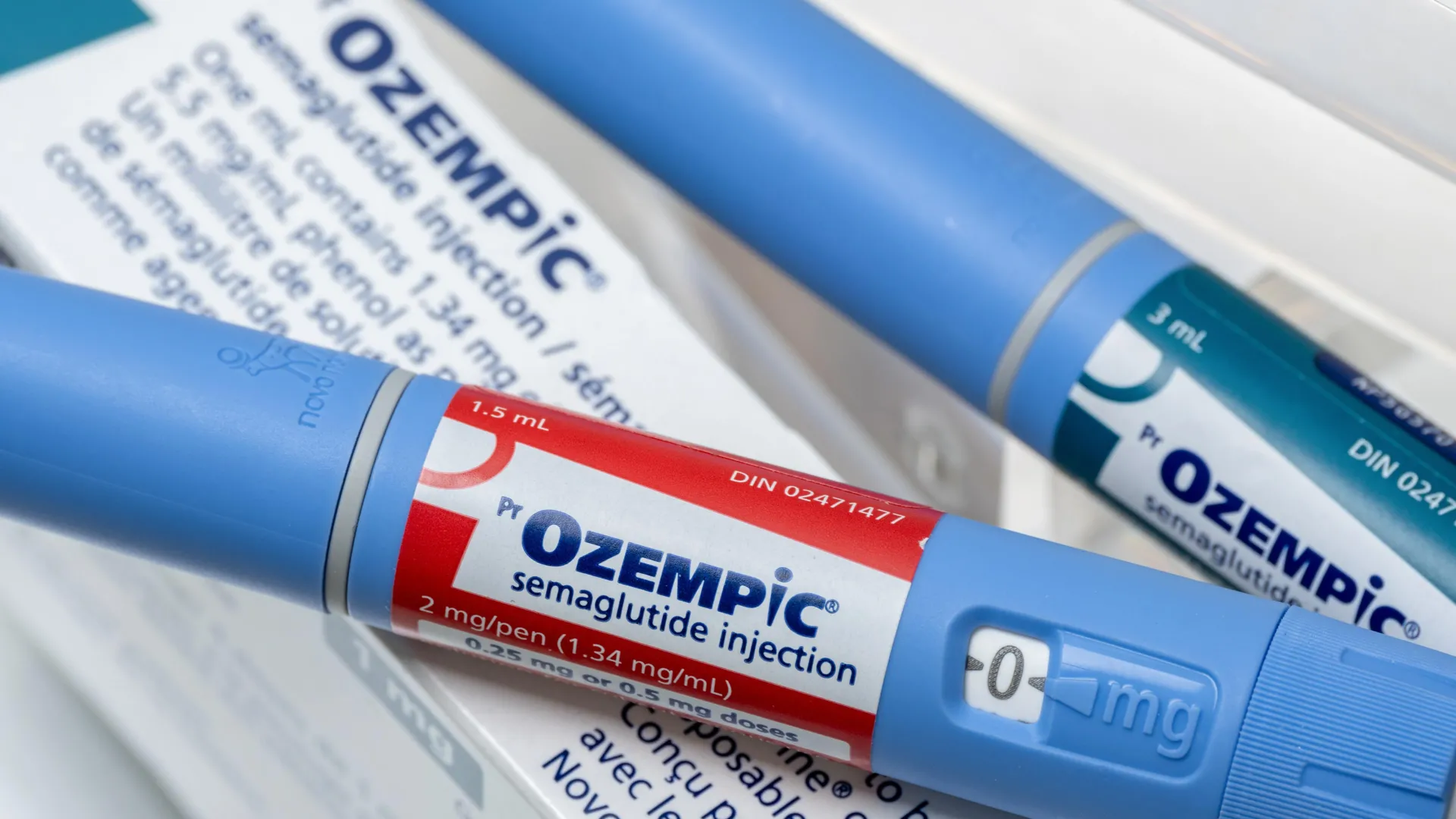
Researchers at the University of Utah identified the enzyme PapB, which can convert GLP-1-like therapeutic peptides into more stable ring-shaped molecules via a precise thioether bond. The method could help extend the half-life and effectiveness of drugs like semaglutide in Ozempic and Wegovy, with successful tests across three peptide variants and compatibility with nonstandard amino acids. The news is scientifically meaningful for next-generation peptide engineering, but near-term market impact is limited.
This is less a single-drug story than a platform de-risking event for the peptide manufacturing stack. If the enzyme reliably enables late-stage ring closure without custom leader sequences, the economic value shifts toward firms that can industrialize post-synthesis modification, not just those with discovery IP. That creates a subtle but important winner set: CDMOs, peptide-process tooling, and platform biotech names with enzymatic chemistry IP, while commodity peptide synthesis vendors face margin pressure as differentiation moves up the value chain.
The second-order effect is on lifecycle extension economics for GLP-1s. Any credible route to longer half-life and improved stability increases the value of existing franchises by lowering dose frequency, improving persistence, and potentially widening the therapeutic window into less tolerant patient populations. That said, the market may be overestimating near-term monetization: the jump from proof-of-concept to GMP-scale, regulatory-comparable manufacturing is usually a 2-4 year path, and any change to a blockbuster backbone can trigger comparability, CMC, and device-administration friction.
The contrarian angle is that this is more likely to enhance competitive intensity than to create a clean monopoly rent for incumbents. If ring-closure becomes modular, smaller biotech platforms can license or partner around existing GLP-1 scaffolds, increasing the odds of a wave of follow-on formulations rather than a single moatier asset. The main risk to the bull case is that improved stability may come with tradeoffs in receptor signaling, immunogenicity, or manufacturability, which would limit broad adoption and keep this as a science-option rather than a revenue driver for several years.
From a market standpoint, the tradeable implication is not to chase the headline, but to position for a medium-dated platform rerating in enabling-tech names and selective pressure on pure-play peptide manufacturers. The most asymmetric setup is likely in venture/private-market exposure to peptide engineering platforms, where a modest technical validation can matter more than in public equities. For public GLP-1 leaders, this is mildly positive strategically but not enough on its own to move 2026 earnings estimates.
AI-powered research, real-time alerts, and portfolio analytics for institutional investors.
Request DemoOverall Sentiment
moderately positive
Sentiment Score
0.45
