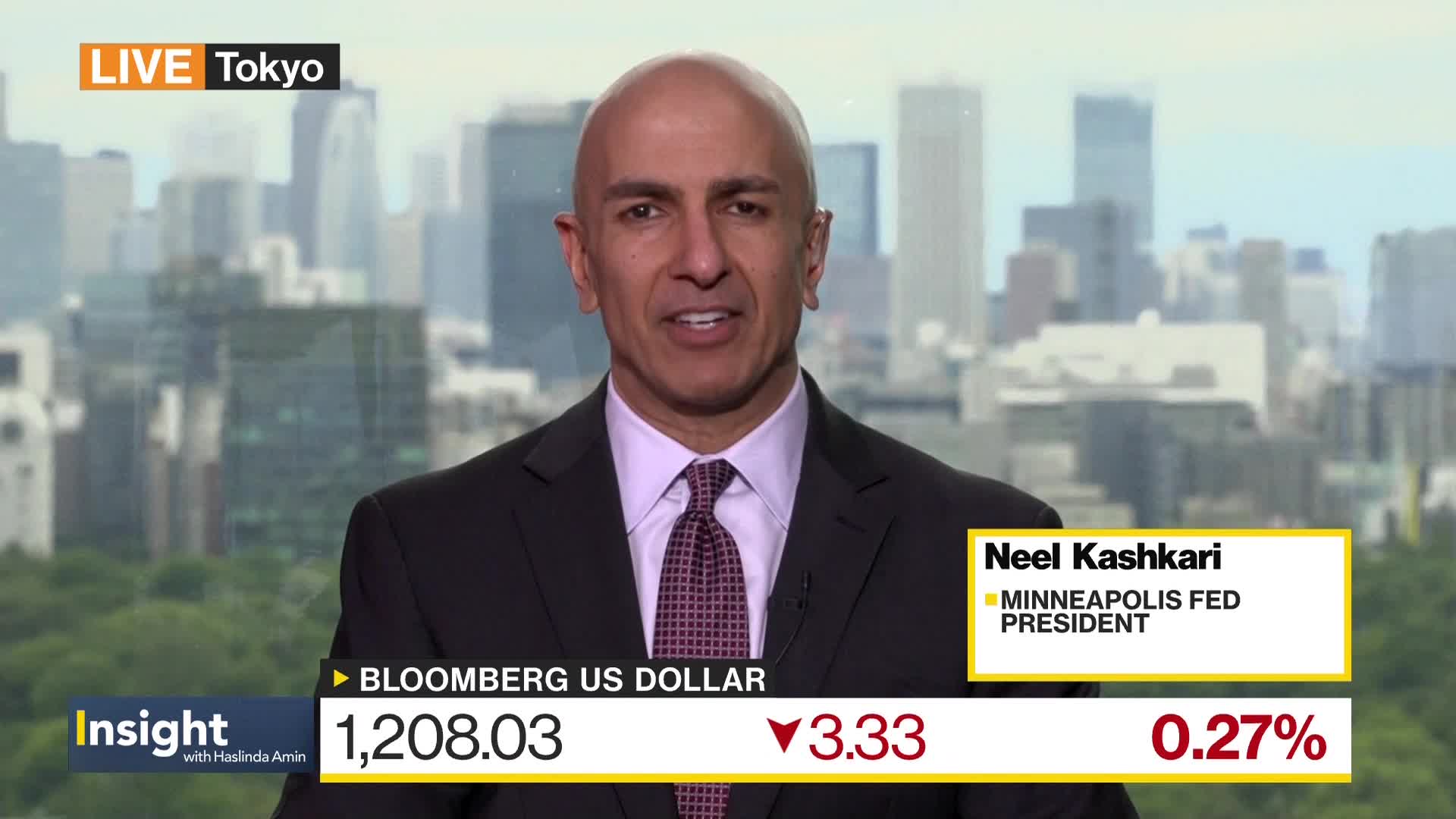
Minneapolis Fed President Neel Kashkari stated that tariffs create a "stagflationary" shock to the economy, with the magnitude dependent on the size and duration of the trade levies. His comments, made on Bloomberg Television, highlight concerns about the potential for tariffs to simultaneously increase inflation and slow economic growth.
Federal Reserve Bank of Minneapolis President Neel Kashkari's recent statement characterizes the economic impact of tariffs as unequivocally "stagflationary." This assessment, carrying a strongly negative sentiment and pessimistic tone, underscores the dual threat posed by trade levies: simultaneous upward pressure on inflation and downward pressure on economic growth. Kashkari highlighted that the severity of this stagflationary shock is contingent upon both the magnitude of the tariff rates implemented and the duration for which they remain in effect. These comments are significant as they directly address the interplay between trade policy, inflation dynamics, and overall economic stability, key concerns for monetary policy. The market impact score of 0.65 suggests these remarks are perceived as having a notable influence on market sentiment and expectations regarding future economic conditions.
AI-powered research, real-time alerts, and portfolio analytics for institutional investors.
Request DemoOverall Sentiment
strongly negative
Sentiment Score
-0.70
