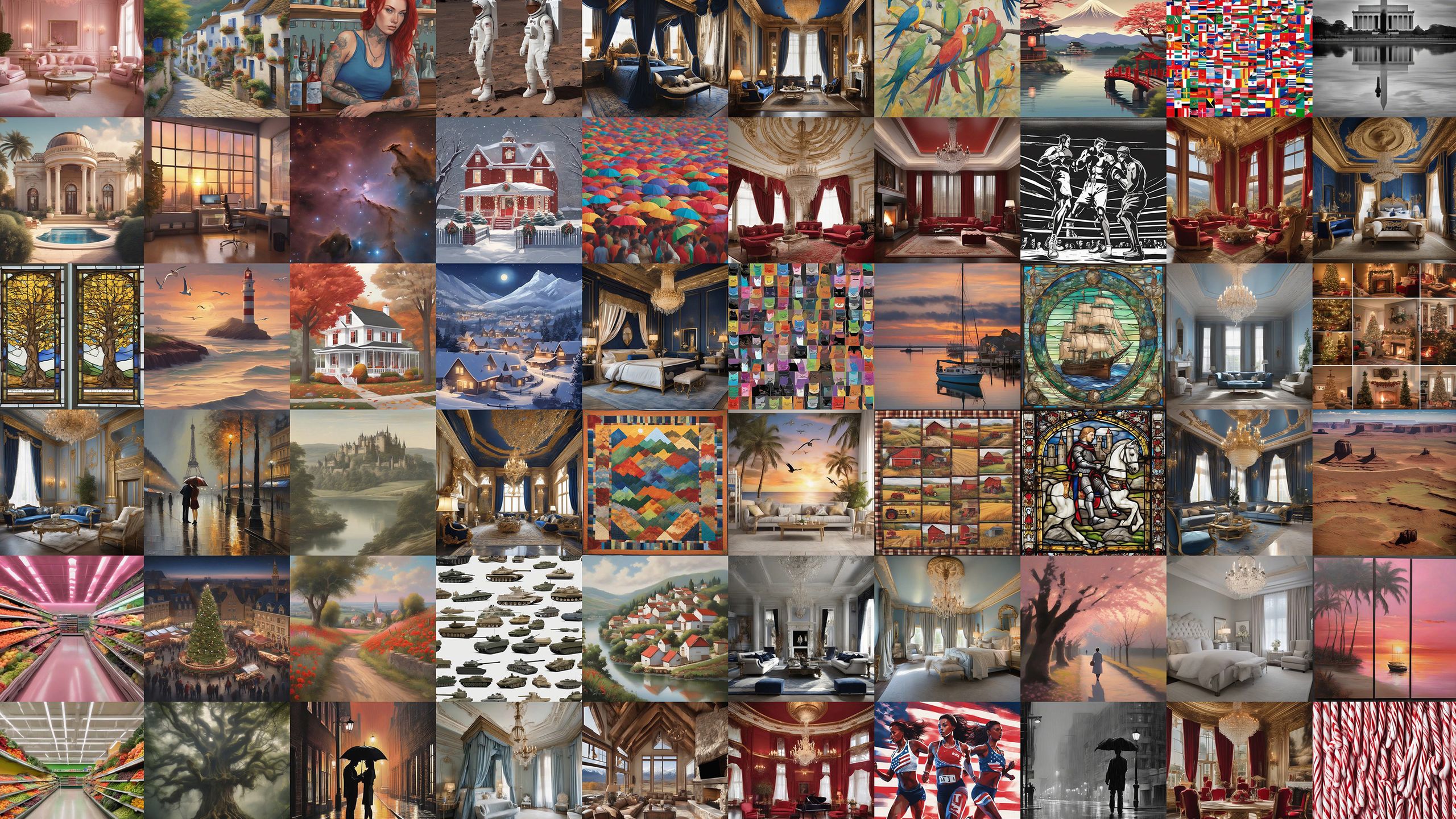
A cross-university study ran autonomous loops between two generative AIs—one producing images and another generating captions—over 100 rounds, repeated 40 times and across four image generators, and found outputs consistently collapsed into 12 recurring visual motifs (e.g., lighthouses, lonely trees, urban night scenes). The researchers characterize this convergence as evidence that current generative image systems favor high-probability, generic outputs over genuine novelty, warning of potential homogenization of visual culture and signaling a need for explicit anti-convergence mechanisms or ongoing human curation. For investors, the finding suggests limits to creativity-driven differentiation in AI-generated visual content and highlights potential product- and data-quality levers (curation, novel training data) that content platforms and AI providers may need to adopt to sustain competitive advantage.
Market structure: Gen‑AI image convergence favors firms that control curated content, rights management, and compute. Winners: Adobe (ADBE) for integrated human+AI workflows and licensing, Shutterstock (SSTK) for curated libraries and IP monetization, Nvidia (NVDA) for persistent GPU demand; losers: pure-play, unlicensed model vendors and low‑moat consumer image startups that rely on “internet‑scale” scraped data. Expect 6–24 month shift: curated/licensed content revenue could rise 10–30% if licensing becomes industry standard.
Risk assessment: Key tail risks include adverse copyright rulings or regulation forcing paid data licenses or bans on scraped training sets — a 30–70% earnings hit is plausible for unlicensed model owners in a severe outcome. Near term (days–months) market reaction will be limited; medium term (3–12 months) volatility tied to litigation and policy; long term (12–36 months) structural re‑pricing of valuation multiples toward firms with IP controls. Hidden dependencies include reliance on third‑party licenses and cloud GPU supply chains.
Trade implications: Favor long positions in ADBE and NVDA and selective longs in SSTK as asymmetry plays: ADBE has durable subscription cash flow to monetize curated AI, NVDA benefits even if image models plateau, SSTK gets leverage if licensing tightens. Use option structures (6–9 month call spreads on NVDA, protective collars on SSTK) to limit capital and capture 15–40% upside scenarios; avoid naked long exposure to pure AI image incumbents without clear licensing.
Contrarian angle: The market underestimates value of human‑in‑the‑loop curation — homogenization of output increases scarcity premium for original content and verified rights. Historical parallel: commoditization of stock photography in 2010s then a renaissance of premium microstock/rights services; that dynamic could repeat, creating 20–50% outperformance potential for curated licensors versus “hype” AI platform operators over 12–36 months.
AI-powered research, real-time alerts, and portfolio analytics for institutional investors.
Request DemoOverall Sentiment
neutral
Sentiment Score
0.00
