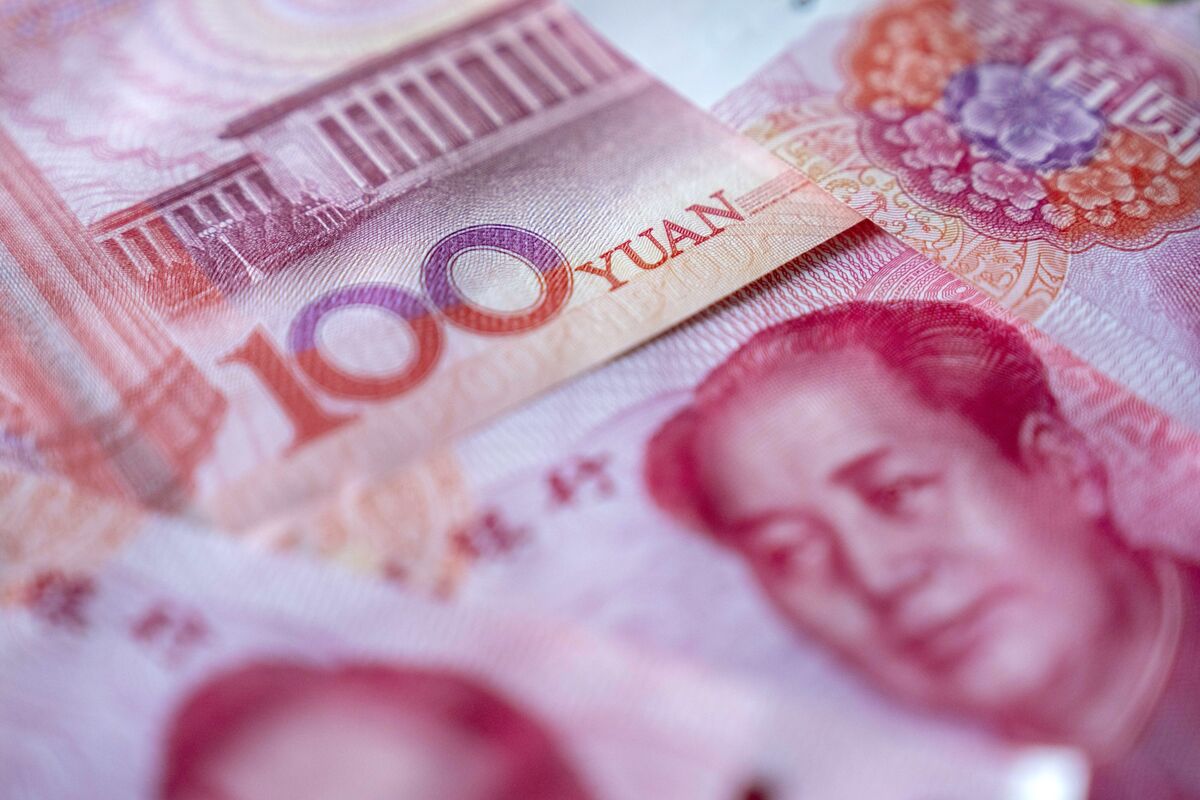
The PBOC strengthened the daily yuan reference rate by the most since January 2025, helping the onshore yuan gain as much as 0.4% to around 6.88 per dollar. The tightening in the fixing appears aimed at stabilizing the currency after it hit a one-month low amid surging oil prices that pressured emerging Asian currencies.
Stabilizing the onshore fixing is having an outsized effect on corporate hedging economics: importers and dollar-debt issuers will see mark-to-market FX hedging costs fall immediately, compressing near-term working-capital needs by a few percent of revenues for commodity-importing sectors. That reduces rollover risk for firms with USD liabilities and should shave a percentage-point or two off short-term corporate credit spreads if sustained for a quarter.
Regional FX dynamics are the next-order transmission mechanism. A firmer managed RMB removes a tail of depreciation risk that had been bid into other Asian FX, so expect a short-term reallocation of carry and volatility trades out of smaller EMs (KRW, IDR, THB) and into onshore CNH/CNY structures, which will tighten cross-currency basis and reduce offshore HIBOR pressure over weeks. Conversely, sectors that rely on a weaker RMB to defend margins — export-oriented mid/small caps and FX-sensitive manufacturers — will face margin compression if the path persists for months.
Key risks: a sustained oil shock, faster-than-expected US rate hikes, or a domestic growth slowdown could reverse this tightening quickly. Those events operate on different horizons — commodity shocks flip positions in days, rate-driven global flows over weeks, and structural growth deterioration across quarters — so sizing and tenor of trades must match the catalyst horizon. Monitor FX reserve signals and PBOC open-market tone as high-frequency indicators of policy appetite to defend any new level.
The move looks underpriced by carry-market participants: consensus treats it as a one-off technical adjustment, but the mechanics suggest a tactical shift toward active FX management to protect credit conditions. That implies short-dated CNH/CNY instruments are the highest-conviction place to express the view; equity and credit plays should be duration- and catalyst-aware rather than simple directional longs on China risk.
AI-powered research, real-time alerts, and portfolio analytics for institutional investors.
Request DemoOverall Sentiment
mildly positive
Sentiment Score
0.18
