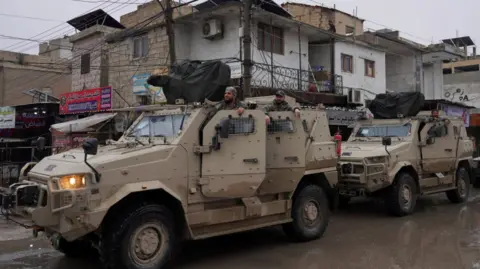
Damascus and the Kurdish-led Syrian Democratic Forces agreed an immediate nationwide ceasefire under a 14-point deal that will see the SDF integrated into Syria's defence and interior ministries after vetting, while Syrian authorities assume control of civilian institutions, border crossings, oil and gas fields, and detention facilities in al-Hasakah, Deir Ezzor and Raqqa. Backed by a US special envoy and including formal recognition of certain Kurdish cultural rights, the accord reduces near-term military risk and could reassert state control over key energy assets, though implementation, vetting and the preservation of local administrative characteristics remain material execution risks.
Market structure: The ceasefire + 14-point integration hands Damascus control of border crossings and oil/gas fields, shifting ownership from fragmented local actors to a single counterparty — winners include state-linked buyers (and their logistics partners) and Russia/Iran who gain leverage; losers are smuggling intermediaries and short-term private operators. Expect a short-term production/transport hiccup (1–3% of regional supply risk) raising Brent by $1–4/bbl over 1–6 weeks, but medium-term (3–12 months) supply could normalize under state export channels, capping upside.
Risk assessment: Tail risks include a renewed SDF breakdown or an ISIS breakout (low probability, high impact) and Turkish military action if Kurdish autonomy sentiments persist; these could spike Brent >10% and EM risk premia sharply. Immediate (days) risk is ceasefire fragility; short-term (weeks–months) risk is operational integration and sanctions friction; long-term (quarters) risk is geopolitical realignment favoring Russian logistics, altering contract flows for Western firms.
Trade implications: Tactical energy exposure favored: directional oil/ E&P upside near-term but size carefully — 2–3% position sizing, target 15–25% in 3–6 months, stop 10%. Use 3-month call spreads on XLE or OXY to play a 2–4% Brent move with limited downside; consider small long positions in oilfield services (SLB) on any pullback. Risk-off instruments (TLT, GLD) are appropriate as 1–2% tail hedges if escalation occurs within 30 days.
Contrarian angles: Consensus focuses on supply loss and perpetual upside; missing is the chance state control increases legal exports and reduces black-market premia, which could reduce regional price tension after 3–6 months. Volatility is likely overpriced in the 0–90 day window; consider selling short-dated oil vol (calendar spreads) selectively while keeping strict stop-losses tied to clear geopolitical triggers (e.g., Turkish incursion or ISIS attack).
AI-powered research, real-time alerts, and portfolio analytics for institutional investors.
Request DemoOverall Sentiment
mildly positive
Sentiment Score
0.12
