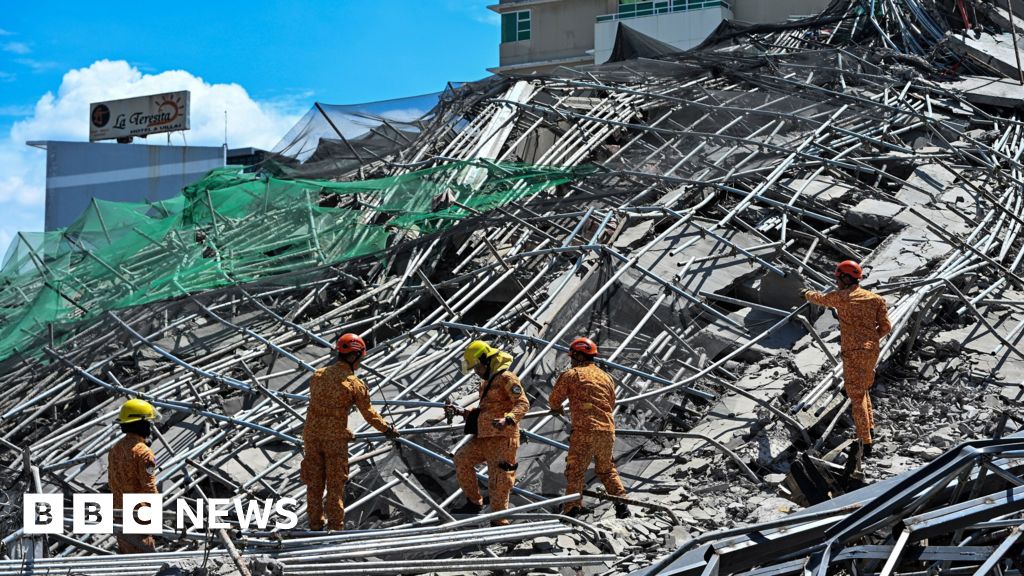
At least 1 person has been killed and about 20 others are feared trapped after a nine-storey building under construction collapsed near Manila, with 24 people rescued from the site and two more pulled from a nearby hotel. Officials are investigating the cause, which appears linked to a structural failure during construction. The incident highlights ongoing construction safety risks in the Philippines, but is likely to have limited direct market impact.
This is not an idiosyncratic event for the local contractor; it is a signal on broader enforcement risk across Philippine infrastructure, especially projects relying on rapid build schedules, subcontractor layering, and thin-site supervision. The second-order effect is a higher probability of surprise inspection regimes, permit delays, and margin pressure for developers and contractors operating in the country, which can hit execution timelines before it hits reported earnings.
The market impact is likely to show up first in the risk premium for names with meaningful Philippines exposure rather than in direct earnings revisions. In the near term, insurers, surety providers, and engineering firms tied to Southeast Asian project backlogs may face a temporary multiple reset if investors extrapolate stricter liability standards and project suspensions. Housing and real estate sentiment can also weaken at the margin if the event reinforces concerns about construction quality, but the macro effect should be limited unless it becomes a wider regulatory crackdown.
The contrarian view is that the selloff risk may be overdone if investors treat this as a governance/quality-control issue rather than a demand shock. Construction demand in the region is still driven by urbanization and public infrastructure needs; a short-term pause in new starts could actually improve pricing discipline for better-capitalized contractors with stronger compliance records. The key catalyst over the next days is whether authorities announce a broad audit or suspension order; over months, the bigger risk is a string of similar incidents that forces a structural rewrite of permitting and insurance economics.
AI-powered research, real-time alerts, and portfolio analytics for institutional investors.
Overall Sentiment
extremely negative
Sentiment Score
-0.85
