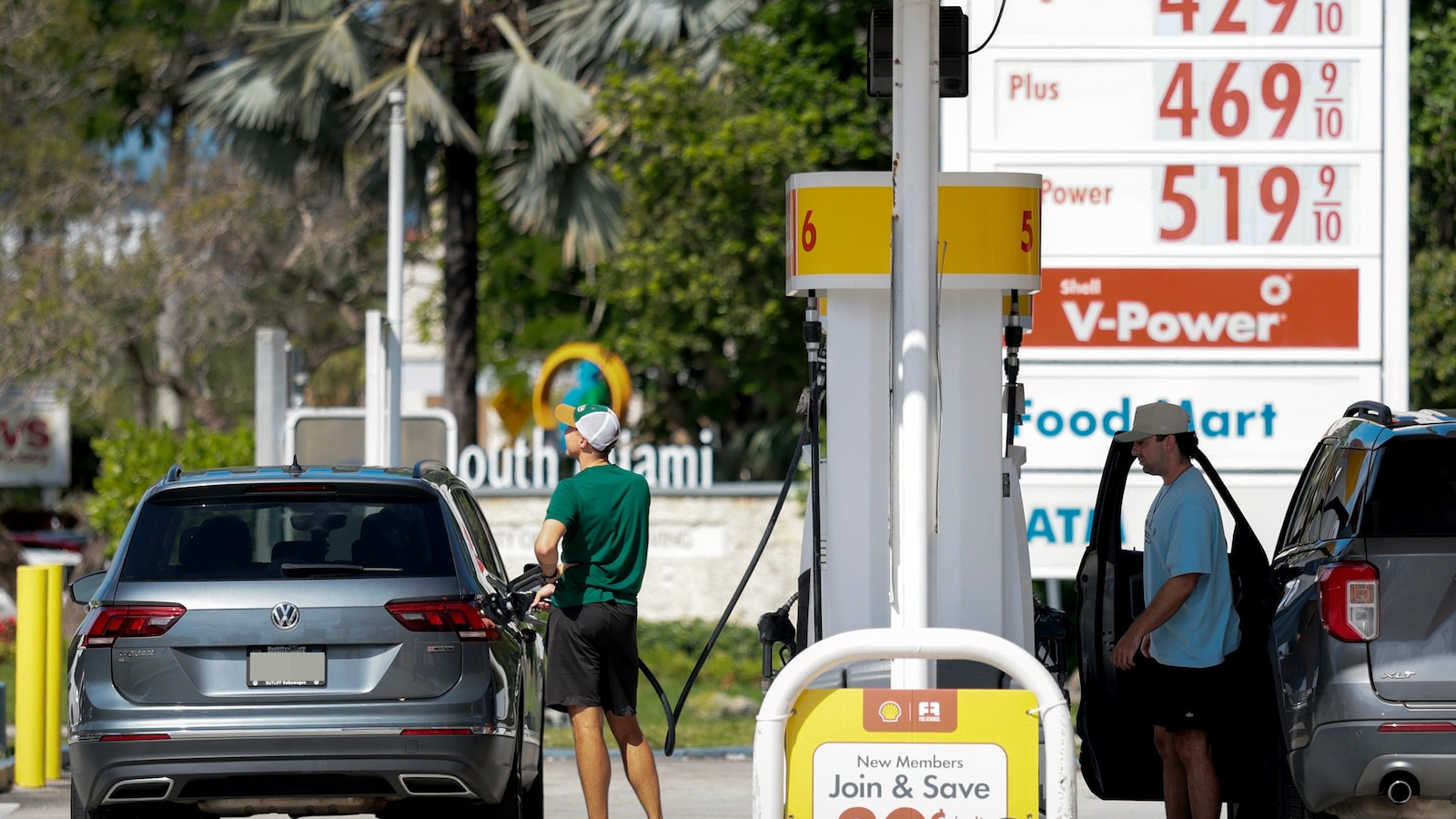
The IEA said the Iran war triggered the "most severe oil supply shock in history," with oil prices posting their largest one-month gain ever and U.S. crude still about 37% above pre-war levels. The agency cut its oil demand outlook to a decline of 80,000 bpd this year from prior growth of 640,000 bpd, citing demand destruction as prices remain elevated. The Strait of Hormuz disruption and potential blockade threaten global energy supply, with the heaviest pressure on Asia and broad implications for inflation and the global economy.
The key market implication is not just higher crude, but a forced re-pricing of the entire energy logistics stack. When a chokepoint outage persists, the winners are those with optionality: non-Middle East barrels, storage, tanker ton-mile exposure, and downstream refiners with advantaged feedstock access. The losers are the most price-inelastic consumers first — airlines, trucking, chemicals, and Asia-heavy industrials — where margin compression typically shows up with a 2-8 week lag as inventory rolls and surcharges fail to catch up.
The second-order effect that matters most is demand destruction as a volatility regime shift, not a one-off spike. If prices remain elevated for several weeks, the squeeze migrates from discretionary driving into freight, petrochemicals, and power generation in import-dependent economies; that creates a late-cycle macro tax that hits PMIs, inflation prints, and central bank reaction functions simultaneously. In that setup, the market can start discounting lower 2025 energy demand even while spot prices stay high, which is bearish for cyclical equities and supportive of duration-sensitive assets.
The biggest near-term catalyst is any credible reopening of the waterway, but the asymmetry is unfavorable because relief needs to be durable to matter. Temporary talk-head headlines can knock crude down 5-10% intraday, yet unless transit risk is fully removed, implied volatility should stay bid and backwardation can remain steep. The contrarian angle is that the market may be underestimating how quickly emergency releases and demand substitution cap the upside in physical barrels, even as financial prices overshoot on fear; that argues for expressing views through structure rather than outright directional beta.
AI-powered research, real-time alerts, and portfolio analytics for institutional investors.
Request TrialOverall Sentiment
strongly negative
Sentiment Score
-0.85
