
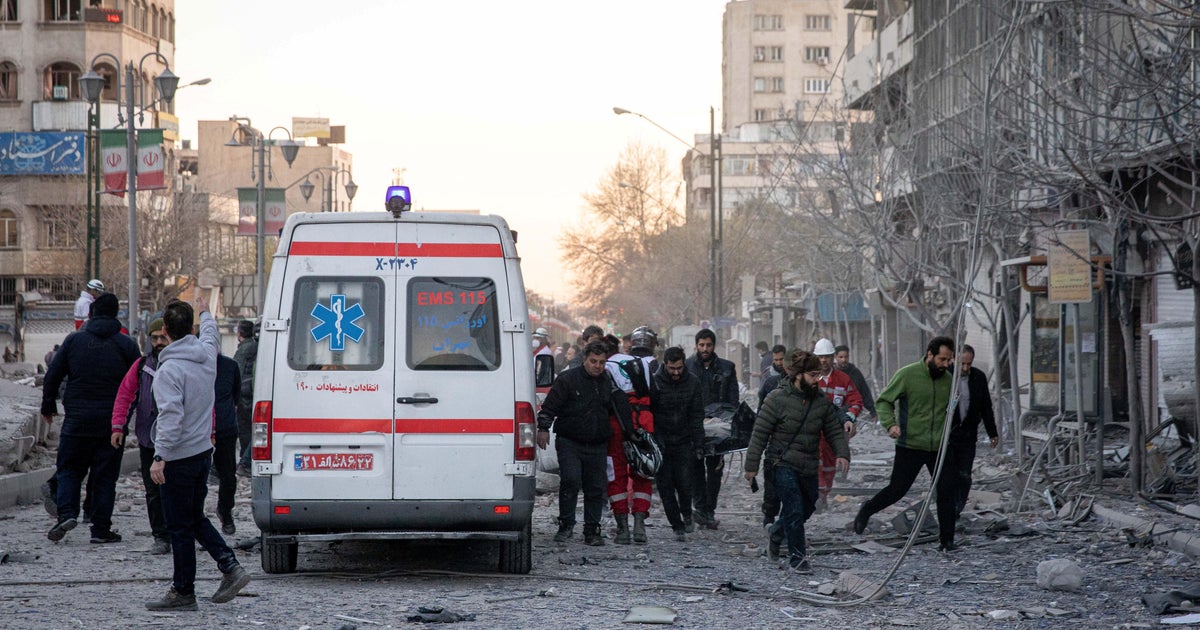
Intense U.S.-Israeli strikes on Iran have escalated into a widening regional conflict, with Israeli forces reporting a broad new wave of strikes on Tehran and Beirut and an Israeli F-35 downing an Iranian YAK-130; Iran reports more than 1,097 civilian deaths (including 181 children) and Iran’s state funeral plans and leadership succession (Mojtaba Khamenei named a possible successor) are in flux. Iran-fired missiles struck Al-Udeid Air Base in Qatar and a Kuwaiti civilian child died from shrapnel; Houthi leaders in Yemen are weighing whether to intervene. The situation poses heightened tail risks to regional stability and market volatility, with potential material implications for defense, regional asset prices and risk premia; separately, social platform X announced a temporary ban on undisclosed AI-generated conflict videos to curb misinformation.
Market structure: Immediate winners are defense contractors and defense ETFs (pricing power on multi-quarter procurement increases), oil & integrated energy names (spot and freight risk), and safe-havens (gold, Treasuries). Losers include regional airlines, travel/tourism, EM FX and frontier markets dependent on Gulf trade; insurance/reinsurance and global shipping routes face rapid repricing. Cross-asset: expect equities risk-off, USD and 10y Treasury demand up (yields down), VIX spikes, Brent volatility +20–40% tail moves if Strait of Hormuz disruption occurs.
Risk assessment: Tail risks include a sustained closure of Hormuz or strikes on GCC production (low prob ~15–25% but high impact: Brent >$110 for months), widescale cyberattacks on Western infrastructure, or wider regional war (Israel-Iran-Hezbollah). Timeline: days — liquidity & volatility shocks; weeks–months — earnings hit cyclical sectors and raise defense capex; quarters — budget reallocations favoring defense and energy capex. Hidden dependencies: marine insurance, freight rerouting costs, and SWIFT/banking sanctions can transmit to bank credit spreads and commodity logistics.
Trade implications: Tactical long defense (ITA or LMT/NOC) and energy (XOM/CVX) positions sized 2–4% each; hedges via short-dated VIX calls or SPY put spreads to cap downside. Use 3–6 month call spreads on XOM/CVX to monetize higher oil instead of outright futures exposure; buy GLD/GDX as 1–2% asymmetric tail hedge. Pair trades: long defense ETF vs short US carriers (AAL/DAL) to isolate geopolitical premium.
Contrarian angles: Consensus may overshoot: historical Gulf-conflict precedents (1990, 2003) show 6–12 month mean reversion in oil/defense after initial spikes. If Brent reverts below $80 or a ceasefire occurs within 14 days, defense and energy moves will likely retrace 30–50%; that creates opportunities to fade excessive risk-premium. Unintended risk: rapid defense re-rating could trigger political/regulatory pushback on exports and M&A, compressing upside beyond short windows.
AI-powered research, real-time alerts, and portfolio analytics for institutional investors.
Request TrialOverall Sentiment
strongly negative
Sentiment Score
-0.70
Ticker Sentiment
