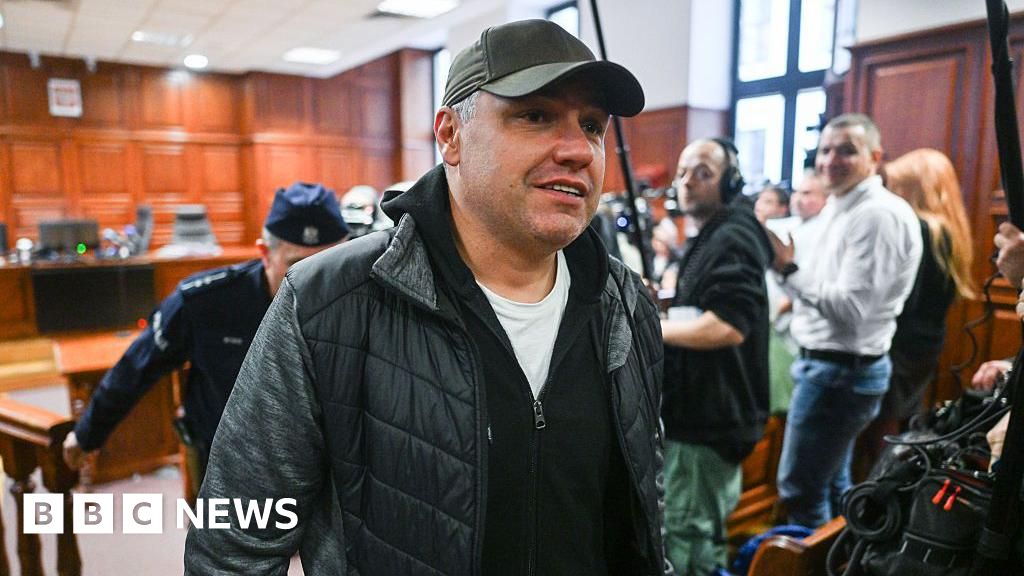
A Polish judge has refused to extradite a Ukrainian citizen suspected of sabotaging the Nord Stream gas pipelines, ruling that if Ukraine was responsible, the act was "justified" given Russia's invasion, as it weakened Russia's military potential and deprived Russia of billions in gas revenue. This decision, which challenges typical EU extradition processes, highlights the profound geopolitical and economic implications of the 2022 pipeline blasts, which severed a critical energy supply route from Russia to Germany, and introduces further complexity into international legal interpretations concerning critical infrastructure in wartime.
A Polish court has refused to extradite a Ukrainian citizen suspected of involvement in the 2022 Nord Stream pipeline blasts, with the judge ruling that any such act by Ukraine would be "justified" given Russia's invasion. This decision challenges the typically straightforward EU extradition process and highlights the complex legal interpretations arising from the ongoing conflict, effectively framing potential sabotage as a legitimate wartime action aimed at weakening an adversary's economic and military capabilities.
The judge explicitly stated that the attack "deprived the enemy of billions of euros paid by Germany for the gas" and "weakened Russia's military potential," underscoring the economic warfare aspect. This judicial stance aligns with Poland's long-standing opposition to Nord Stream, which it viewed as increasing German dependence on Russia and bypassing its own transit fees. The broader geopolitical implications are significant, as the Nord Stream pipelines were a critical energy supply line from Russia to Germany, and their destruction severed a major economic link.
While the immediate market impact is assessed as low (0.1), the ruling introduces further uncertainty into international legal frameworks concerning critical infrastructure in wartime. The annulment of another suspect's extradition in Italy further complicates the legal landscape surrounding the incident. This development could influence future interpretations of international law regarding acts of sabotage during conflict, particularly concerning energy infrastructure.
AI-powered research, real-time alerts, and portfolio analytics for institutional investors.
Overall Sentiment
neutral
Sentiment Score
0.00
