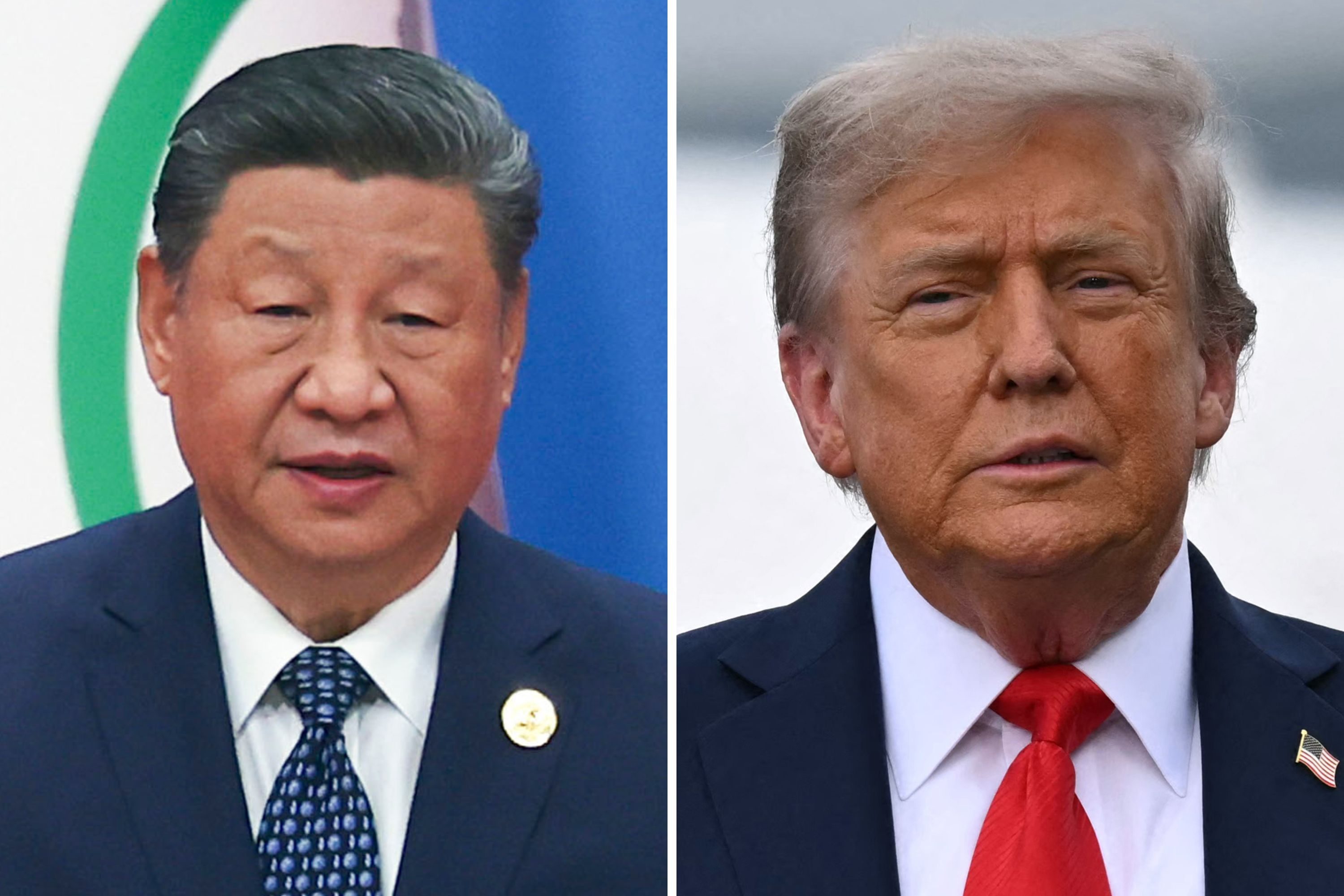
Former U.S. President Donald Trump asserted that Chinese President Xi Jinping personally assured him Taiwan would not be invaded during Trump's presidency, a claim made amidst persistent U.S. concerns over a potential 'imminent' Chinese military action against the island. This statement underscores the high geopolitical risk associated with Taiwan, which Beijing views as a renegade province and aims to reunify, potentially by force. The prospect of a U.S.-China conflict stemming from Taiwan remains a significant tail risk for global markets and strategic asset allocation.
Former President Trump's assertion that he received a personal assurance from Chinese President Xi Jinping against an invasion of Taiwan introduces a new variable into an already tense geopolitical landscape. This claim directly contrasts with recent U.S. defense intelligence, cited in the report, which characterizes the threat of a Chinese invasion as 'imminent' and notes a potential 2027 deadline set by Beijing. Trump's statement is strategically positioned within his 2024 election campaign narrative as a 'peacemaker,' a theme reinforced by Russian President Putin's reported agreement that the Ukraine war would have been avoided under a Trump presidency. The high market impact score of 0.7 underscores the market's sensitivity to this issue, as a conflict over Taiwan would likely trigger a military confrontation between the U.S. and China, carrying what the U.S. Defense Secretary describes as 'devastating consequences' for the global economy and the Indo-Pacific.
AI-powered research, real-time alerts, and portfolio analytics for institutional investors.
Request DemoOverall Sentiment
Neutral
Sentiment Score
0.00
