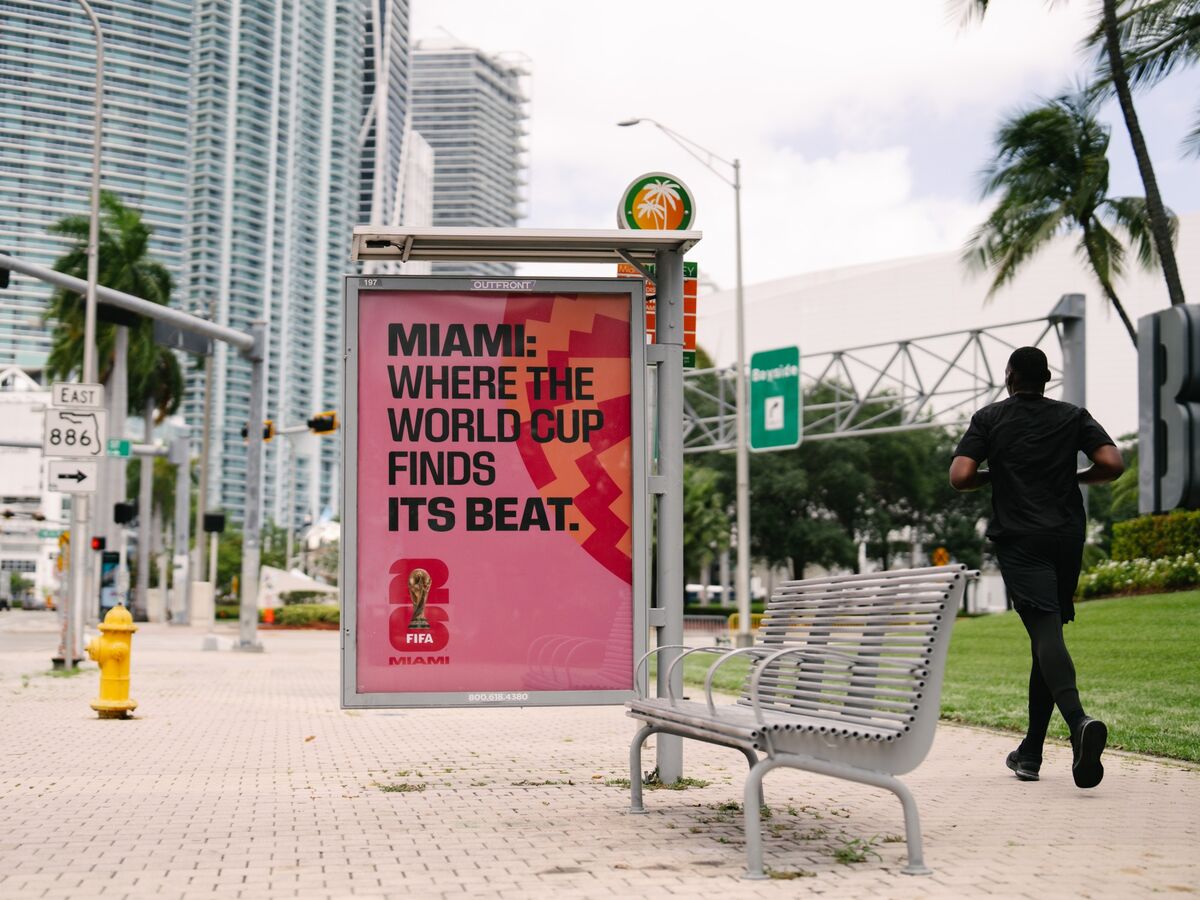
Miami is emerging as a strong World Cup demand hotspot, with organizers saying Hard Rock Stadium and fan zones should draw visitors even for those without match tickets. Hotel and short-term rental bookings are backing that view, while other host cities from New York to Seattle appear more anxious about delivering an economic windfall. The article is mostly a localized demand/booking update with limited broader market impact.
The investable signal is not the headline tourism bump; it is dispersion. Miami is a relative winner because it benefits from a dense mix of premium lodging, short-term rentals, nightlife, and airport connectivity that can monetize a concentrated demand spike, while multi-day event demand tends to leak into ancillary spend faster than into the stadium itself. That makes the best second-order exposures the operators with pricing power and high incremental margins, not the headline event venue.
The loser set is subtler: cities that were counting on a broad-based visitor lift now face a higher bar to avoid negative read-through on local lodging and restaurant operators if demand underwhelms. If room nights and event-ticket conversion disappoint in weaker host markets, there is a near-term risk that investors extrapolate this into softer summer leisure demand more broadly, creating a temporary valuation reset in travel names that have been priced for a flawless event cycle.
The key catalyst window is the next 4-12 weeks, when booking data will either confirm a late surge or expose a gap between narrative and realized occupancy. The reversal risk is that early enthusiasm in one market cannibalizes demand from others rather than expanding total spend; in that case, the economic benefit is redistributed, not created. For housing-linked assets, the biggest upside is on tight inventory and short-duration rentals, but if local enforcement tightens or guests shift back to hotels, the pricing tailwind can fade quickly.
Consensus is likely underestimating how event-driven demand amplifies existing leisure beneficiaries while leaving most of the macro benefit unchanged. This is not a broad travel boom; it is a micro-geographic pricing event with limited duration, so the right way to play it is through relative value and short-dated exposure rather than directional beta. The market may also be overestimating the permanence of any uplift, since post-event normalization can be abrupt once the booking window closes.
AI-powered research, real-time alerts, and portfolio analytics for institutional investors.
Request DemoOverall Sentiment
mildly positive
Sentiment Score
0.15
