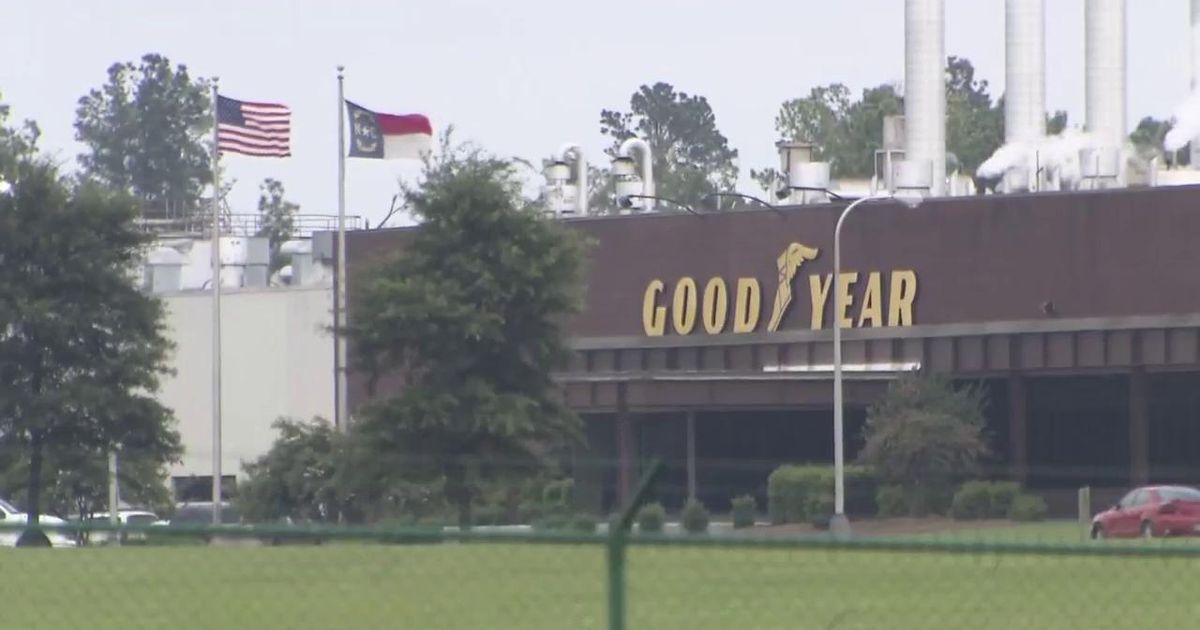
Goodyear will close its Fayetteville tire plant by the end of 2027, eliminating 1,700 jobs as the company seeks to improve competitiveness. Management said the action is intended to strengthen long-term business health after extensive efforts to keep the facility viable. The announcement is negative for Goodyear and creates a material local labor-market impact, though broader market effects should be limited.
This is less a single-plant story than a signal that domestic tire capacity is entering a rationalization phase. When a legacy U.S. producer exits a high-cost footprint, the first beneficiaries are lower-cost importers and any domestic peers with cleaner fixed-cost structures; the second-order effect is margin pressure on the remaining U.S. supply chain, from rubber compounding to regional logistics providers that were anchored to this plant's throughput. The market is likely underestimating the duration: this is a 12-24 month glide path, not an immediate earnings event, which gives competitors time to pre-sell capacity and lock in contracts before the shutdown fully bites.
For Goodyear specifically, the trade-off is classic restructuring math: near-term cash outlays, labor friction, and working-capital noise versus a slower but potentially meaningful improvement in cost per tire if capacity is reallocated successfully. The risk is that fixed-cost absorption worsens before it improves, especially if volumes migrate to plants that are already running close to plan. If demand softens at the same time, the closure can become a marker of structural share loss rather than a one-off efficiency move.
The contrarian angle is that this may be less bearish for the sector than it looks. A plant closure can support pricing discipline if competitors avoid a race to fill the gap, and it can also accelerate procurement shifts toward non-U.S. or more automated capacity. The biggest upside surprise is if management pairs the closure with credible tariff/market-share commentary and a faster multi-site optimization plan; absent that, the headline remains negative but the equity reaction could become less severe once investors price in the eventual margin reset.
AI-powered research, real-time alerts, and portfolio analytics for institutional investors.
Overall Sentiment
strongly negative
Sentiment Score
-0.70
