
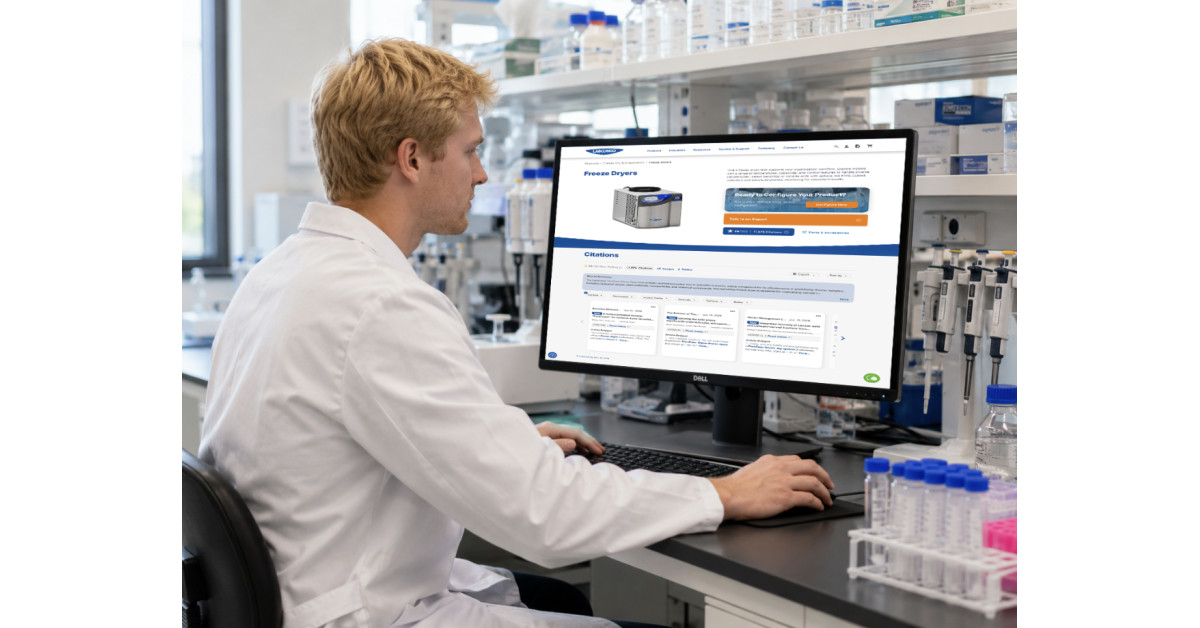
Bioz highlighted its ongoing partnership with Labconco, integrating Bioz Badges on Labconco product pages and a Bioz Content Hub to centralize publication citations. The tools automatically surface publication-backed use cases (article excerpts, images, and links to peer-reviewed studies) and reportedly received positive internal feedback for improving website engagement and product discovery. The news is promotional and provides no financial metrics or guidance, suggesting minimal near-term market impact.
This reads like commercialization plumbing, not a demand shock. The economic value is in reducing friction at the bottom of the funnel for technically complex purchases, which can help premium vendors defend mix and maybe shorten sales cycles, but it is unlikely to move revenue or EBITDA in a measurable way unless it is scaled across a much larger installed base.
The incremental winner set is broader than the company being named: any life-science OEM with a dense product catalog and high-consideration buying process can use citation-rich content to improve conversion and reduce customer acquisition costs. The flip side is that this does not create category demand; it mostly reallocates share toward brands that already have stronger scientific footprints, which can subtly disadvantage lower-tier distributors and commodity sellers over time.
Near term, there should be little market impact. Over 1-3 months, the only catalyst would be repeated third-party adoption evidence, which could support a "digital conversion" narrative in lab tools. Over 6-18 months, the real question is whether these tools actually translate into higher win rates or whether they just become table stakes, at which point the spend becomes a margin-neutral arms race. The consensus may be overreading the novelty; the burden of proof is on conversion data, not PR cadence.
AI-powered research, real-time alerts, and portfolio analytics for institutional investors.
Overall Sentiment
neutral
Sentiment Score
0.10
Ticker Sentiment
