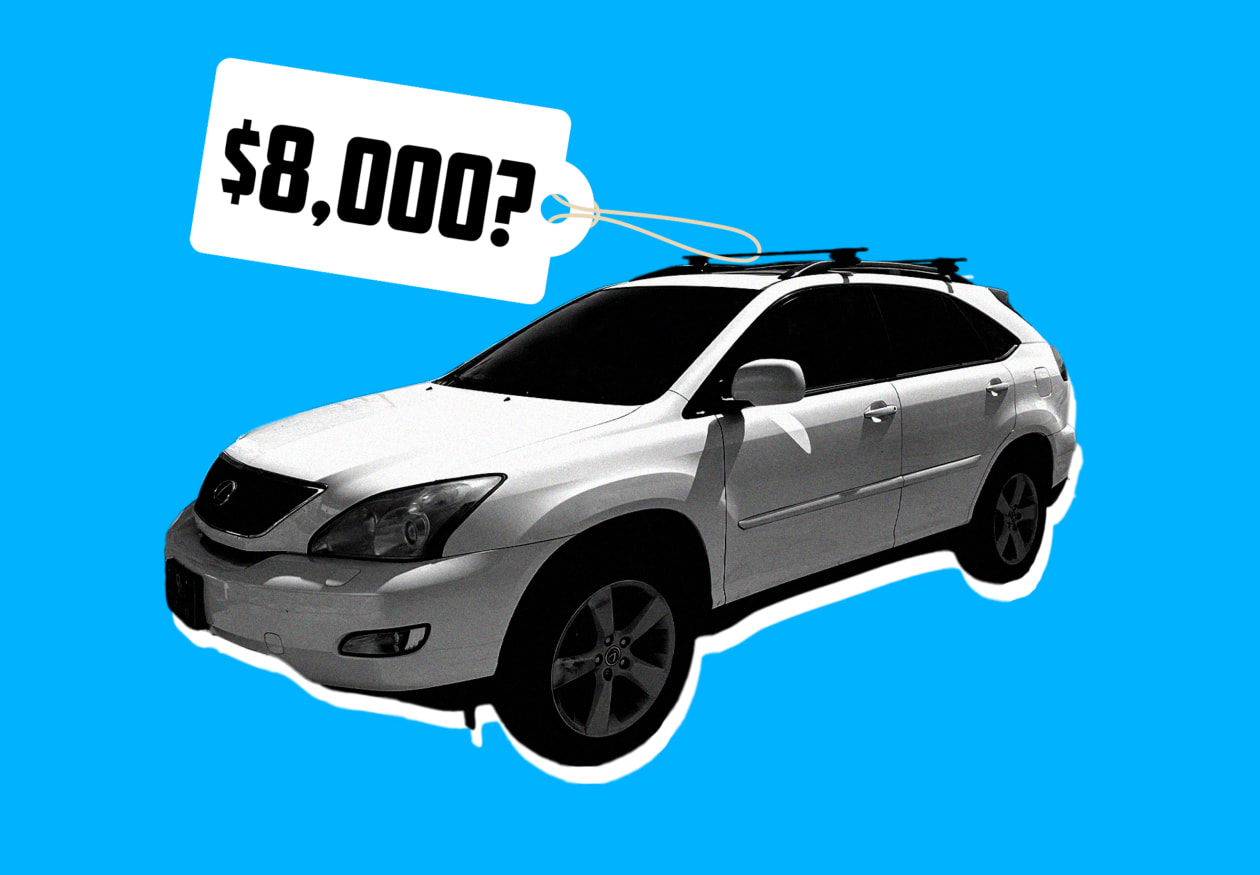
Author bought a used Lexus for $8,000 after totaling their car, versus the current average used-car price of about $26,000 — roughly $18,000 (≈69%) below the average and under the author's $10,000 target. The piece offers practical steps for finding quality used vehicles at low prices and highlights elevated used-car values, which is relevant to consumer spending and inflation dynamics.
Affordability-driven demand at the sub-$10k end of the market is a structural tailwind for the independent used-car ecosystem and the aftermarket that services older vehicles. Every incremental year of average vehicle age translates into outsized parts and labor dollars per mile — a durable revenue stream for firms that plate to the entire installed base rather than relying on new-vehicle turnover.
Second-order: weaker new-vehicle purchasing and delayed EV adoption are likely outcomes when a large cohort of buyers opts for cheap, reliable ICE used cars; that short-circuits both OEM margin capture and the financing pipelines that accompany new-vehicle retail. The knock-on is a reallocation of margin from manufacturers and captives toward remarketers, auction houses, and parts distributors over the next 6–24 months unless OEMs materially step up incentives.
Risks that reverse the trade are clear and time-bound: a Fed rate cut or a sudden wave of lease returns/inventory relief could drop used-car prices quickly within a 3–12 month window, compressing dealer margins and reducing parts demand. Monitor two triggers — a sustained 3–6 month decline in used auction prices >10% or a Fed funds cut expectation priced in by swaps — which would flip the thesis from ‘durable aftermarket growth’ to ‘inventory-driven correction’ within one year.
AI-powered research, real-time alerts, and portfolio analytics for institutional investors.
Request DemoOverall Sentiment
mildly positive
Sentiment Score
0.25
