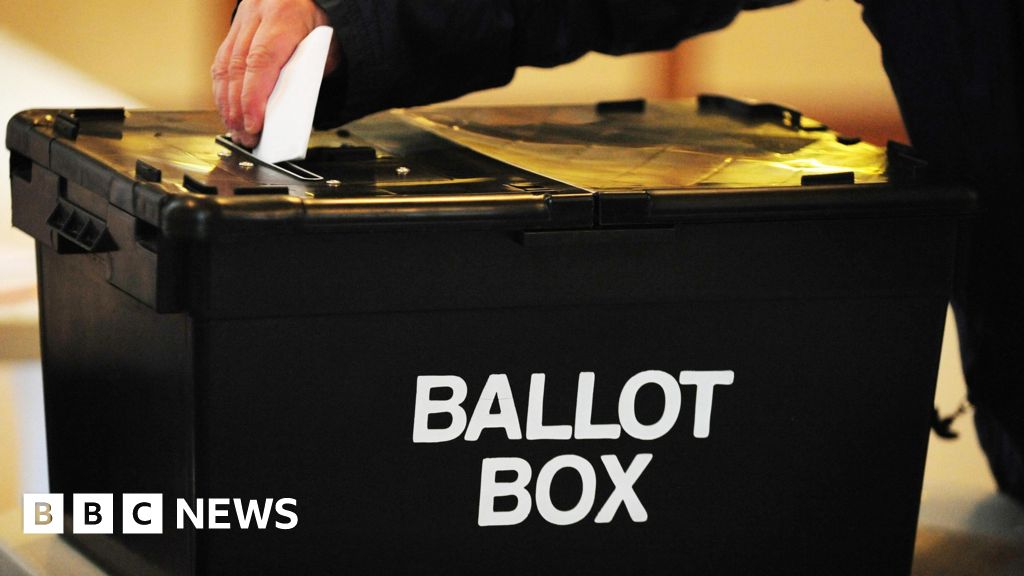
Polling opened at 07:00 GMT in the Gorton and Denton by-election in Greater Manchester, with polls closing at 22:00; the contest was triggered by Labour MP Andrew Gwynne's resignation on 22 January for reasons of ill health and results are due overnight into Friday. Key candidates include Angeliki Stogia (Labour), Charlotte Cadden (Conservative), Jackie Pearcey (Liberal Democrats), Matt Goodwin (Reform UK) and several smaller-party entrants. The outcome is primarily of domestic political significance and may provide short-term political signal but is unlikely to have material direct impact on markets.
Market Structure: This single Gorton & Denton by-election is a near-term political sentiment read rather than a direct macro driver; a comfortable Labour hold should be priced as status-quo (GBP +0–0.5%, gilts +/-5 bps), while a strong insurgent showing (Reform/Advance UK >20% or Conservative collapse >10pp) would signal wider fragmentation and could push GBP down ~1–2% and UK 10y yields up 10–25 bps as risk premia reprices. Domestic-exposed sectors (housebuilders, regional banks, small caps) are most sensitive; large FTSE100 multinationals will remain relatively immune due to USD/EUR revenue mix.
Risk Assessment: Tail risk is a cascade into a sustained national political realignment prompting earlier-than-expected policy shifts (taxation, energy subsidies) — low probability (<10%) but high impact for UK-centric equities and gilts over quarters. Immediate (days): negligible market moves unless a surprise result; short-term (weeks): volatility spikes and 10–25 bps yields moves possible; long-term (quarters): persistent political fragmentation could widen UK risk premia by 20–50 bps. Hidden dependency: concentration of domestic exposure in small-cap indices and mortgage/retail credit sensitivity to UK-rate/backstop policy decisions. Catalysts to watch in 0–90 days: actual vote shares, turnout, next national poll shift >5pp, and Chancellor statements on fiscal contingency.
Trade Implications: Tactical FX/gilt plays and defensive small-cap rotations dominate. Options on GBP capture asymmetric risk best; outright directional buys/sells should be small and hedged. Pair trades that short domestic cyclicals (housebuilders/banks) while going long global earners in FTSE100 de-risk domestic political noise.
Contrarian Angles: Consensus will likely underappreciate that even a surprise insurgent showing may be temporary — historical UK by-elections (2017–2022) mainly produced short-lived market moves; an overdone GBP sell-off could be mean-reverting within 2–6 weeks. Avoid large unhedged directional bets; favour option structures and tight stop-triggered sizing tied to explicit vote-share thresholds (e.g., >10pp swing).
AI-powered research, real-time alerts, and portfolio analytics for institutional investors.
Request TrialOverall Sentiment
neutral
Sentiment Score
0.00
