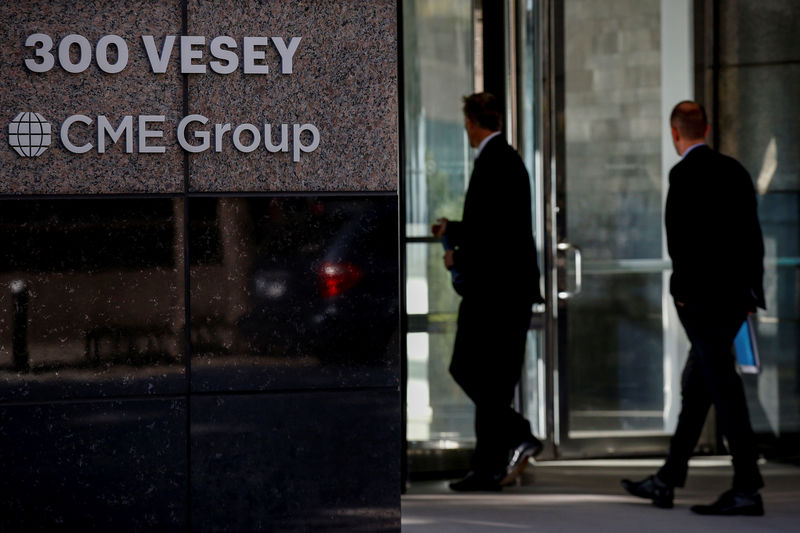
The CFTC is weighing whether to block CME Group’s proposed 24/7 crude oil futures contract, which would be one-tenth the size of CME’s existing Micro WTI contract and was slated to launch on Aug. 30 pending approval. Regulators are concerned continuous trading could amplify volatility during geopolitical stress, though CME also plans round-the-clock trading in 1-ounce gold futures starting July 26. The headline is primarily a regulatory watch item for energy and derivatives markets rather than a direct earnings or macro shock.
This is less about one contract launch and more about who gets to define the next liquidity regime in energy. If the CFTC slows or narrows approval, CME preserves the status quo in which regulated open interest remains concentrated in exchange hours, while offshore venues keep siphoning price discovery during stress windows. That would favor incumbents with deep clearing relationships, but it also leaves CME exposed to a structural wedge: the more clients want continuous hedging around geopolitical headlines, the more they migrate to less-regulated alternatives.
The second-order risk for CME is not just product delay; it is missed market share at the point where volatility monetization is highest. If overnight crude volatility remains elevated for weeks, a delayed 24/7 launch pushes volume to venues that already trade continuously, and that flow can become sticky even after the catalyst fades. ICE is more insulated here, but any perception that U.S. regulators are selectively permissive on crypto while restrictive on commodity innovation could invite a broader pricing-structure debate that compresses CME’s premium multiple.
The contrarian angle is that the market may be overestimating the near-term earnings contribution and underestimating the strategic value. Even if approved, these products likely start small and need months of demonstrated risk controls before they matter financially; the real P&L is in retaining order flow, not initial contract counts. That makes the near-term stock reaction potentially too binary: the downside from a delay is more reputational than economic, while the upside from approval is mostly option value on future liquidity capture.
For the broader complex, continuous trading in crude would likely reduce gaps but increase the frequency of smaller, more tradable moves, which is favorable for market-makers and clearing ecosystems, not directional commodity holders. If regulators block the launch, expect a short-lived relief rally in alternative venues and a modest hit to CME sentiment, but not a fundamental earnings downgrade. The more durable winner is whichever venue can offer regulated 24/7 hedging without adding enough margin friction to deter institutional participation.
AI-powered research, real-time alerts, and portfolio analytics for institutional investors.
Request DemoOverall Sentiment
neutral
Sentiment Score
-0.10
Ticker Sentiment
