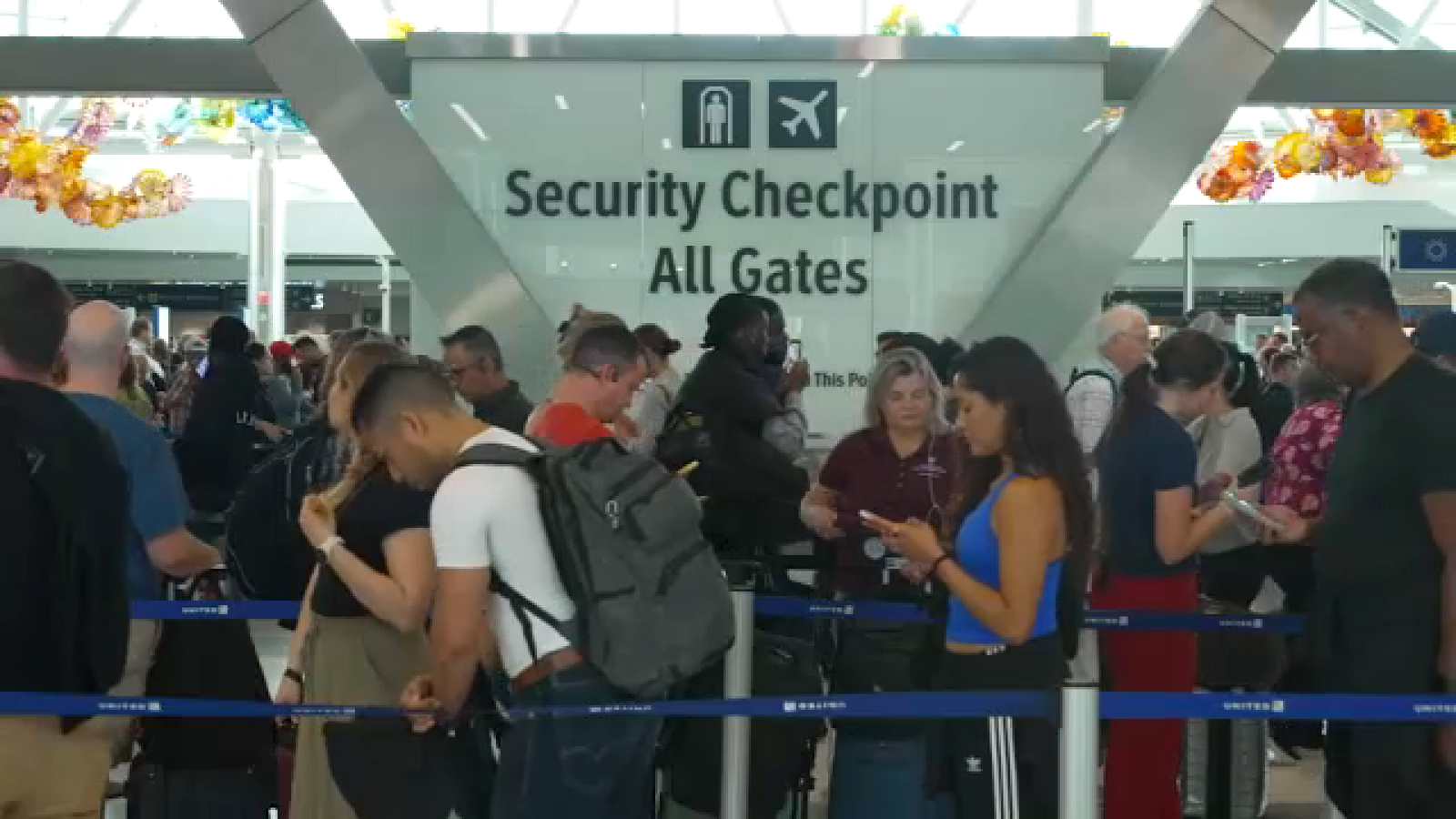
U.S. Customs and Border Protection will begin enhanced Ebola screenings at Bush Intercontinental Airport, with passengers who have been in Congo, Uganda, or South Sudan within the prior three weeks required to undergo health checks starting Tuesday night. The measure also affects Dulles and Atlanta’s Hartsfield-Jackson airports and excludes crew and cargo-only flights. The move is precautionary and tied to public health protection ahead of the World Cup, but it adds travel friction and operational screening requirements.
The market impact here is less about direct earnings exposure and more about operational friction. Screening at a few gateway airports is a low-cost policy tool, but it creates a nontrivial probability of flight delays, missed connections, and discretionary travel avoidance for routes with Africa exposure, especially for carriers that rely on large hub-and-spoke systems. The first-order hit is likely too small for broad airline P&Ls, but the second-order effect is a temporary rise in irregular operations costs and a modest drag on premium leisure/business bookings tied to perceived travel complexity.
The more important signal is regulatory precedent: once health screening infrastructure is activated, it tends to persist longer than the acute news cycle because no agency wants to be seen as “turning off” a visible control too early. That makes the likely time horizon weeks to months, not days. For transportation/logistics names, the cleaner risk is not cargo volume but labor and throughput inefficiency; even small added processing times can compound at hub airports and bleed into on-time performance metrics, which matters for airline sentiment and airport concession revenue.
Contrarianly, this is probably not a meaningful macro risk to healthcare or the broader travel complex unless case counts rise sharply or screening expands beyond a narrow corridor. The bigger upside surprise would be a travel-cluster or athlete-related headline that widens coverage and forces additional restrictions, which would be a fast-moving sentiment event rather than a fundamental demand shock. Conversely, if no symptomatic arrivals surface in the first 1-2 weeks, the market will likely fade the issue quickly and any selloff in travel names should reverse.
The cleanest setup is to treat this as a volatility event, not a directional industry thesis. The right trade is to own near-term downside protection on the most sentiment-sensitive airline names into the screening start date, then fade weakness if operational disruption proves negligible. Airports and TSA-adjacent revenue streams are more insulated than airlines; any knee-jerk selloff there would likely be a better entry than a short.
AI-powered research, real-time alerts, and portfolio analytics for institutional investors.
Request DemoOverall Sentiment
mildly negative
Sentiment Score
-0.20
