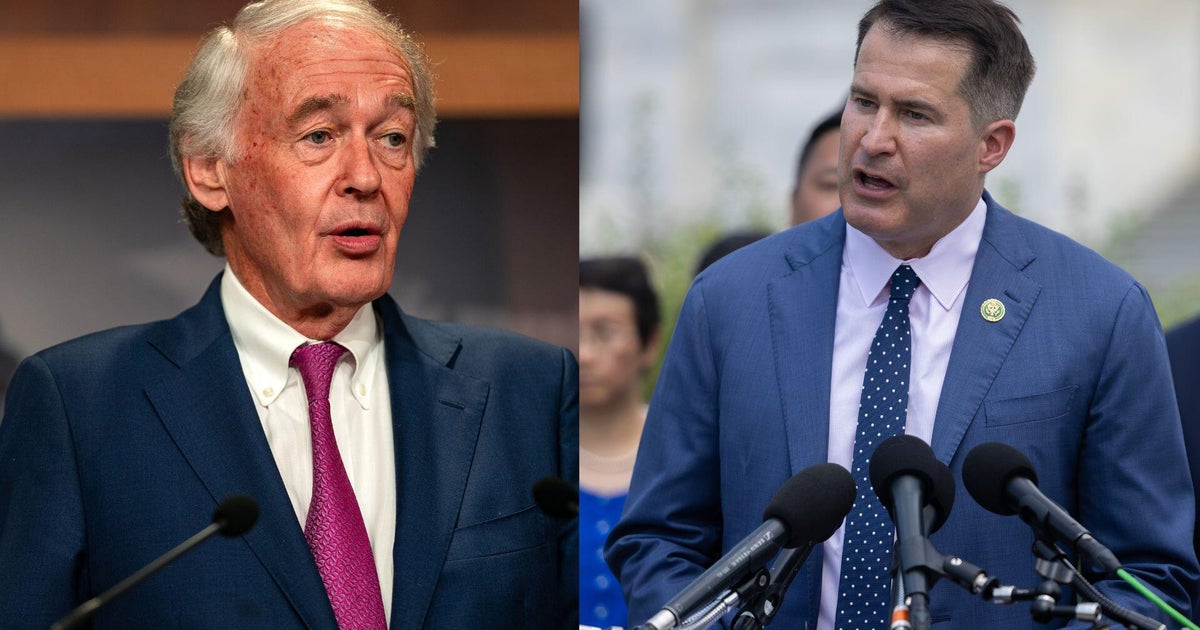
U.S. forces conducted airstrikes in Venezuela and captured former President Nicolás Maduro, bringing him to New York for arraignment on longstanding U.S. drug-trafficking and terrorism-related charges. Senior Democrats condemned the operation as illegal under international law and potentially unconstitutional for failing to consult Congress, while the administration framed the action as a means to depose Maduro and open Venezuela’s vast oil reserves to U.S. companies. The episode raises geopolitical risk and rule-of-law concerns that could reverberate through emerging-market risk premia and energy markets depending on follow-on U.S. policy and stability in Venezuela.
Market structure: The Maduro capture immediately raises a geopolitical risk premium in oil and EM markets. Expect a near-term WTI shock of roughly +3–8% (≈+$2–$6/bbl) on risk repricing and shipping/contract uncertainty; winners are US majors and energy services (XOM, CVX, SLB, HAL) and midstream (KMI), losers are EM sovereigns/FX (Colombia, Mexico spillover) and politically exposed contractors. Cross-assets: safe-haven bids should push USTs up (yields down 10–25bps) and gold +2–6% in the first 48–72 hours.
Risk assessment: Tail risks include a low-probability (<10%) direct Russia/China response or regional escalation and a 10–20% chance of cyber/energy infrastructure strikes — both would materially raise oil >$10–$15/bbl and widen EM spreads by 200–400bps. Time horizons split: days = volatility/risk-off, weeks–months = sanction/policy responses and market repositioning, 12–36 months = technical/CapEx timeline to actually restore Venezuelan production. Hidden dependency: Venezuelan crude is heavy and requires upgrader/refinery capex (PBF, VLO exposure), so “oil access” doesn’t equal immediate barrels.
Trade implications: Tactical plays include: 1) 1–2% long allocation to XOM/CVX (split) vs market hedge, 2) buy 3-month WTI call spreads (strike ≈+10%/+30% to spot) sized to 0.5–1.0% NAV, 3) 1–2% long GLD and 1% long TLT as flight-to-quality hedges. Enter within 1–5 trading days, trim on +15–25% moves or if de-escalation signals emerge; stop-loss at -10% for equities positions.
Contrarian angles: Consensus overestimates speed of US access to Venezuelan output — expect 12–36 months and substantial capex, so energy equities may be overbought on headlines; consider selling covered call or call spreads on XOM/CVX after a 10–20% rally. Historical parallel: 2003 Iraq showed short-term military-driven rallies but long mid-term governance drag; legislative backlash (Congress restraints) or sanction windows over next 30–90 days could remove upside, so maintain hedges and monitor legal/sanctions bills closely.
AI-powered research, real-time alerts, and portfolio analytics for institutional investors.
Request DemoOverall Sentiment
mildly negative
Sentiment Score
-0.25
