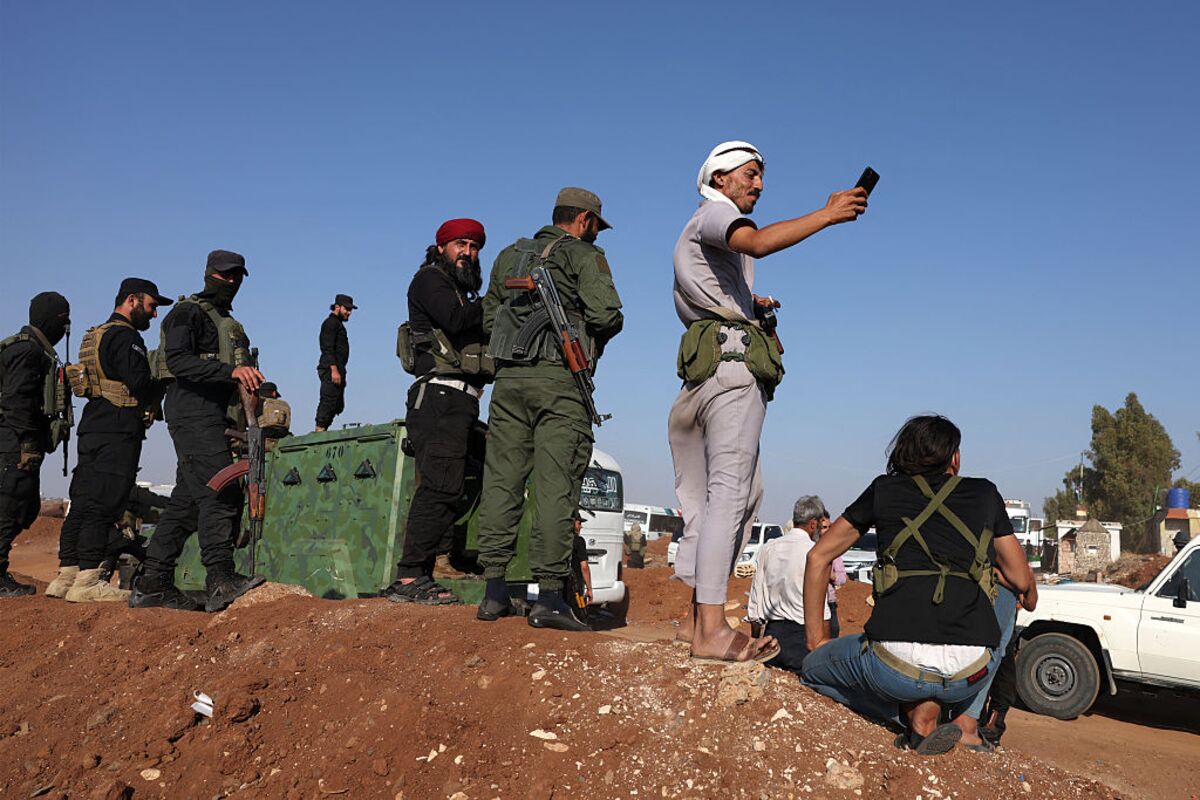
Eight months post-Assad, Syria's post-war recovery and national unity are significantly challenged by escalating sectarian strife, particularly in Suwayda province. Recent deadly clashes between the Druze minority and Bedouin tribes have been exacerbated by reports that President Ahmed Al-Sharaa's government forces, predominantly Sunni, sided with their co-religionists against the Druze. This alleged governmental bias undermines efforts to forge national cohesion and poses a substantial threat to the country's stability.
Nearly eight months after the fall of Bashar Al-Assad, Syria's political transition is threatened by severe sectarian strife, casting doubt on the new government's ability to ensure stability. Recent deadly clashes in the Suwayda province between the Druze minority and Bedouin tribes have been exacerbated by allegations that government forces, led by President Ahmed Al-Sharaa, intervened on behalf of their Sunni co-religionists. According to independent monitors, this partisan involvement by state security forces undermines any prospect of national unity and signals a significant risk of decentralized, ongoing conflict. While the geopolitical implications are severe, the event's current market impact is assessed as negligible, indicating that investors presently view the instability as localized and contained, without immediate spillover effects on regional assets or commodity markets.
AI-powered research, real-time alerts, and portfolio analytics for institutional investors.
Request DemoOverall Sentiment
neutral
Sentiment Score
0.00
