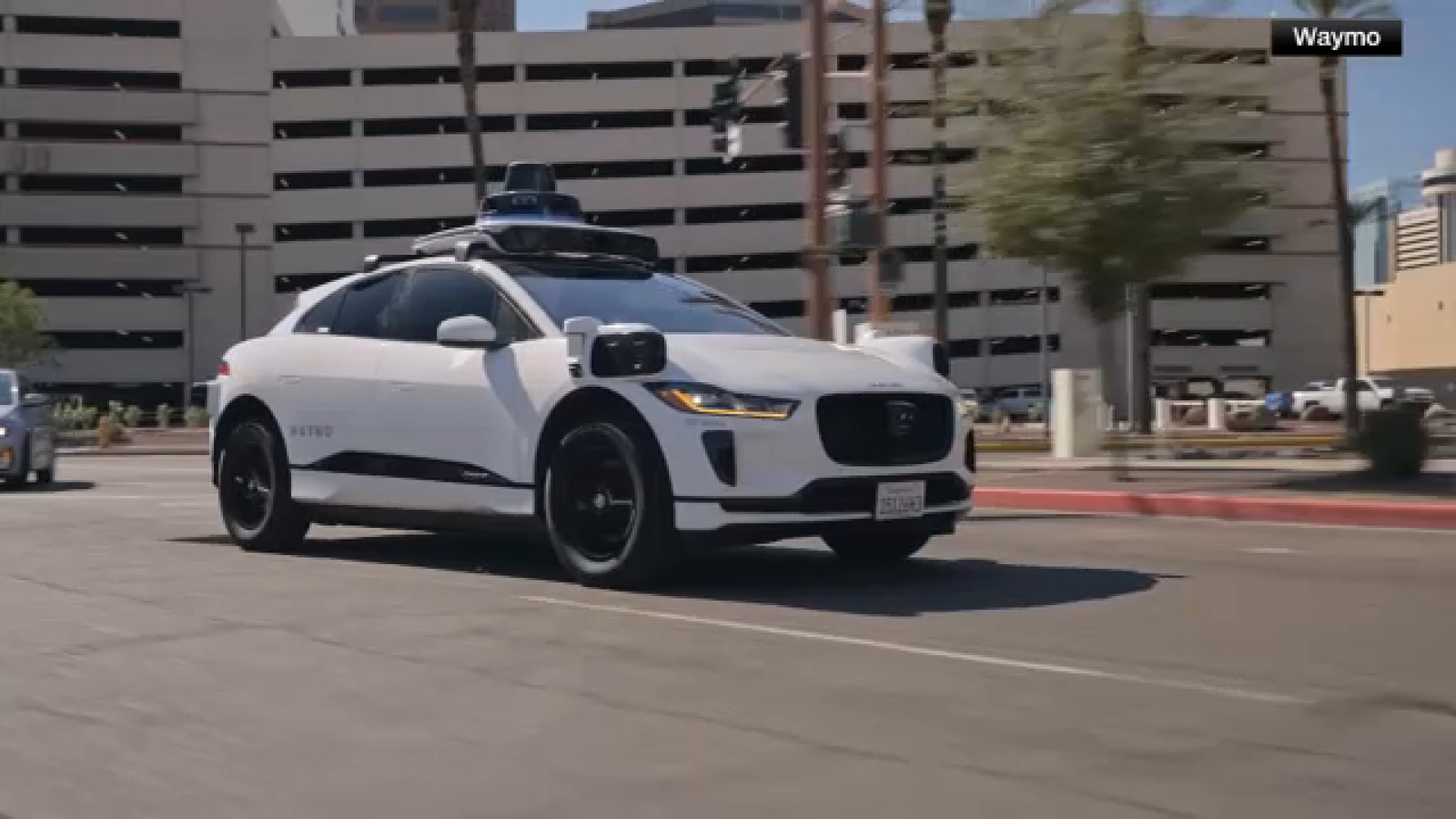
Waymo is recalling up to 3,791 robotaxis after NHTSA said its Automated Driving System could let vehicles continue into flooded roads instead of stopping. The issue was identified after an April 20 incident in San Antonio involving an unoccupied vehicle; there were no injuries, but Waymo is still working on a software fix and has tightened weather-related operating constraints. The recall is a negative but contained operational setback rather than a broad financial event.
This is less about a one-off mapping bug and more about a speed-to-market tax on autonomy in the hardest edge cases. Weather-related ODD tightening is a reminder that robotaxi economics depend on extremely high utilization, so any incremental expansion of geofenced exclusions in flood-prone cities can reduce fleet productivity disproportionately versus the apparent severity of the incident. The near-term read-through is negative for companies marketing full-stack autonomy timelines because regulators now have an easy, consumer-friendly example of “unsafe but not catastrophic” behavior that can justify broader documentation, testing, and operational constraints.
The second-order impact is on deployment cadence, not just software quality. Houston-style expansion plans become more capital intensive if each new metro requires bespoke weather contingencies, map updates, and post-event validation; that pushes breakeven farther out by months, potentially quarters, if the operator has to reserve more idle capacity and maintain higher human oversight or fallback routing. Competitively, this favors players with stronger simulation/data pipelines and those operating in more climate-benign geographies, while hurting aggressive entrants whose unit economics assume rapid footprint scaling.
The contrarian view is that the market may over-penalize a fixable edge case because the incident also proves the system is being monitored, recalled, and patched before there is harm. If the update is rolled out quickly and the operational constraints are narrow, the long-run autonomy thesis is intact; the real question is whether each “small” safety issue accumulates into a material delay in monetization. Watch for a pattern: if similar weather-related constraints recur over the next 1-3 months across multiple metros, this becomes a valuation problem; if not, the drawdown should fade as an execution hiccup.
From a portfolio perspective, the cleaner expression is to fade the broad autonomy hype basket rather than bet on an isolated company-specific failure. The setup supports a tactical short in names most dependent on near-term robotaxi commercialization, with the best payoff coming if regulators use this as precedent for tougher ODD approvals into the summer storm season.
AI-powered research, real-time alerts, and portfolio analytics for institutional investors.
Request DemoOverall Sentiment
mildly negative
Sentiment Score
-0.22
