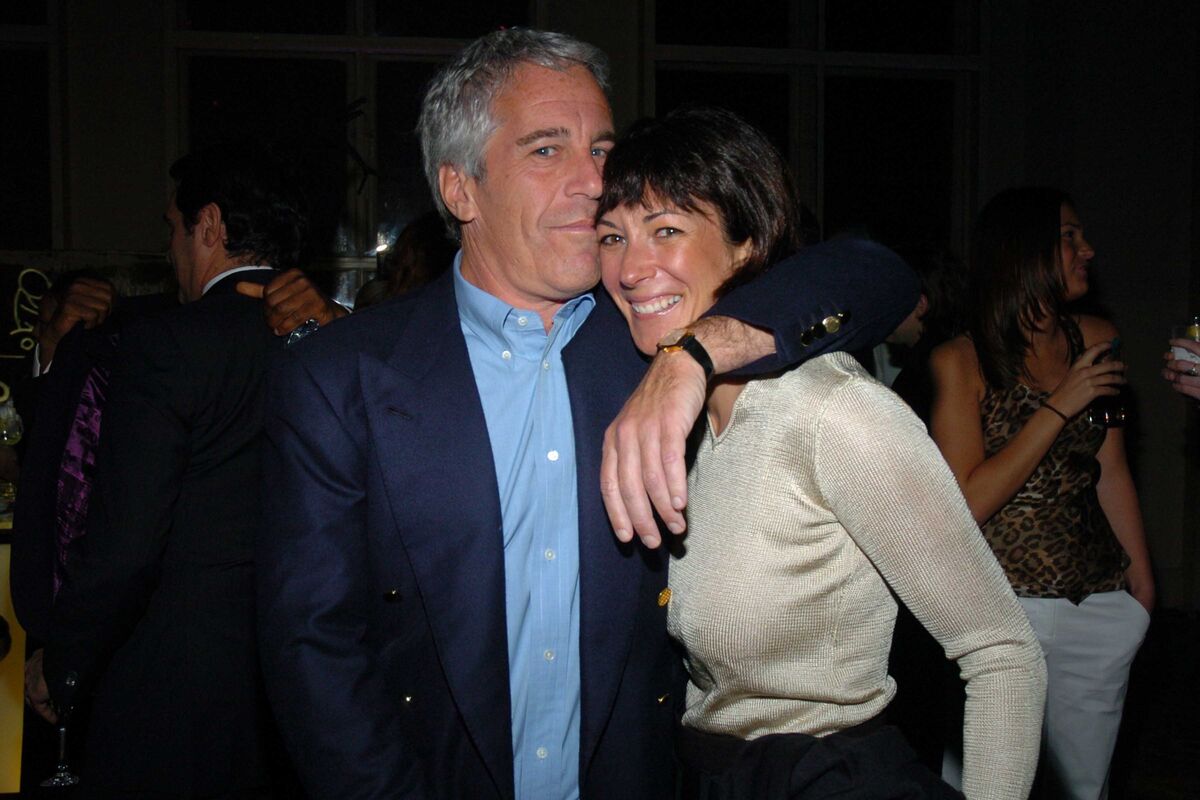
The Justice Department has renewed requests to unseal grand jury material in the criminal cases against Jeffrey Epstein and Ghislaine Maxwell, filing motions with two New York judges and citing a recently enacted law governing Epstein documents. The filings, attributed to U.S. Attorney General Pam Bondi, follow August denials of earlier DOJ requests and are accompanied by a separate petition in Florida to unseal transcripts and exhibits from an earlier federal probe; any disclosures could produce new evidence or reputational fallout for individuals but are unlikely to have broad market impact.
Market structure: small, concentrated winners are litigation-finance providers and crisis-communications/legal-advisory firms that monetize document-driven claims; losers are reputationally‑sensitive fiduciaries and any single public company named in disclosures. Pricing power shifts toward specialist vendors (litigation funders, PR firms, discovery vendors) because unsealed material raises marginal return on funded claims; expect a 5–15% increase in dealflow for these vendors over 3–6 months if transcripts surface.
Risk assessment: tail risk is a low-probability/high-impact naming of a public officer that triggers SEC inquiries and class actions — a 1–5% probability over 90 days but with potential equity drawdowns >20% for the affected issuer. Hidden dependencies include insurer / D&O coverage limits (insurers like AIG/CB could be second‑order loss absorbers) and bank counterparty exposures; catalyst timeline centers on court rulings/Florida filings within 30–90 days.
Trade implications: event-driven, small-sized positions are optimal — buy exposure to litigation finance and crisis-comm firms with 3–12 month horizons while hedging systemic reputational risk in wealth managers/banks with short-duration puts. Liquidity remains ample; cross-asset moves should be idiosyncratic so prefer single-name/options structures sized to 0.5–2% portfolio risk and reprice within 30–90 days.
Contrarian angles: consensus underprices litigation-finance upside and overestimates market-wide contagion — if releases name only private individuals, specialist equities can rally 10–30% while market impact remains muted. Risk: regulatory backlash against fee structures of funders could compress multiples, so cap exposure and use stop-losses tied to regulatory filings within 120 days.
AI-powered research, real-time alerts, and portfolio analytics for institutional investors.
Request DemoOverall Sentiment
neutral
Sentiment Score
0.00
