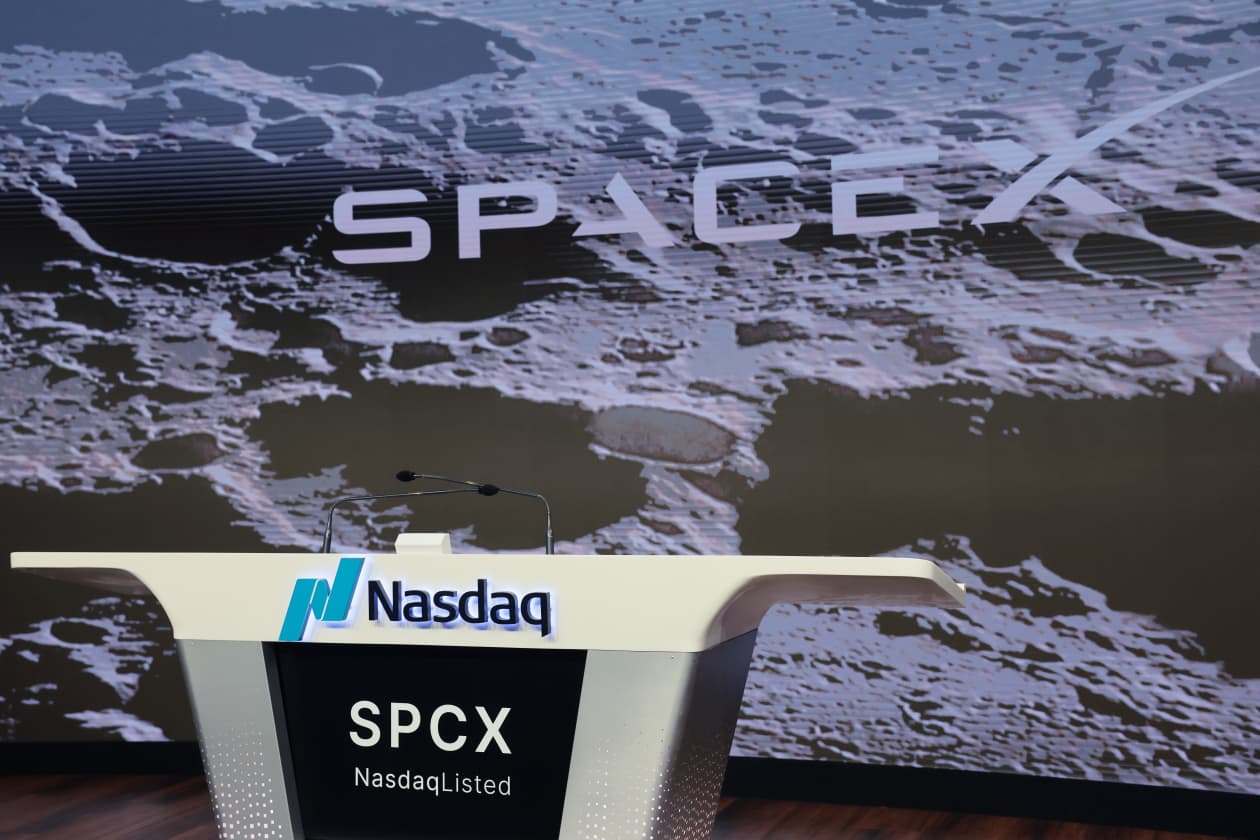
The article warns that a 40% market crash could be lurking in the IPO pipeline, citing a surge in U.S. equity issuance and comparing current conditions with prior peaks in 1929 and 2000. It argues that a successful SpaceX IPO, plus expected listings from OpenAI and Anthropic, could intensify speculative excess and raise the odds of a severe bear market. The piece is a cautionary market call rather than a company-specific update, but it has broad implications for IPO sentiment and risk appetite.
The issue is not that one or two marquee listings hit the tape; it is that a credible pipeline of giant private-to-public conversions can act like a pressure valve for years of latent supply. That changes portfolio behavior well before the first deal prices: late-stage private capital starts competing directly with public multiples, and public investors are forced to re-rate the entire innovation complex against a much larger, more liquid benchmark. In practice, that tends to compress duration-sensitive multiples first, then spill into second-order beneficiaries like venture-backed software, semis, and cloud infrastructure names that have been priced as if exit optionality were scarce.
The more important risk is mechanical. Large IPOs create hedging demand into pricing, then unlock secondary supply and employee monetization afterward, which can extend selling pressure for weeks to months beyond the deal date. If these offerings are embraced by retail and momentum funds, they can also become local sentiment peaks: heavy first-day performance tends to attract crowded passive inflows near the top of the cycle, leaving less incremental buyer support once lockups, convertibles, and insider sales begin.
The contrarian view is that the headline is probably directionally right but timing-wrong. A pipeline of giant listings is usually a late-cycle symptom, not an immediate crash trigger; markets can absorb it if macro liquidity remains abundant and the IPO calendar is spaced out. The real downside catalyst would be a failed book-building process, weakening post-IPO performance, or a rate shock that coincides with increased supply—those combinations can turn a healthy de-risking into a disorderly de-grossing much faster than the IPOs themselves.
AI-powered research, real-time alerts, and portfolio analytics for institutional investors.
Request DemoOverall Sentiment
strongly negative
Sentiment Score
-0.78
