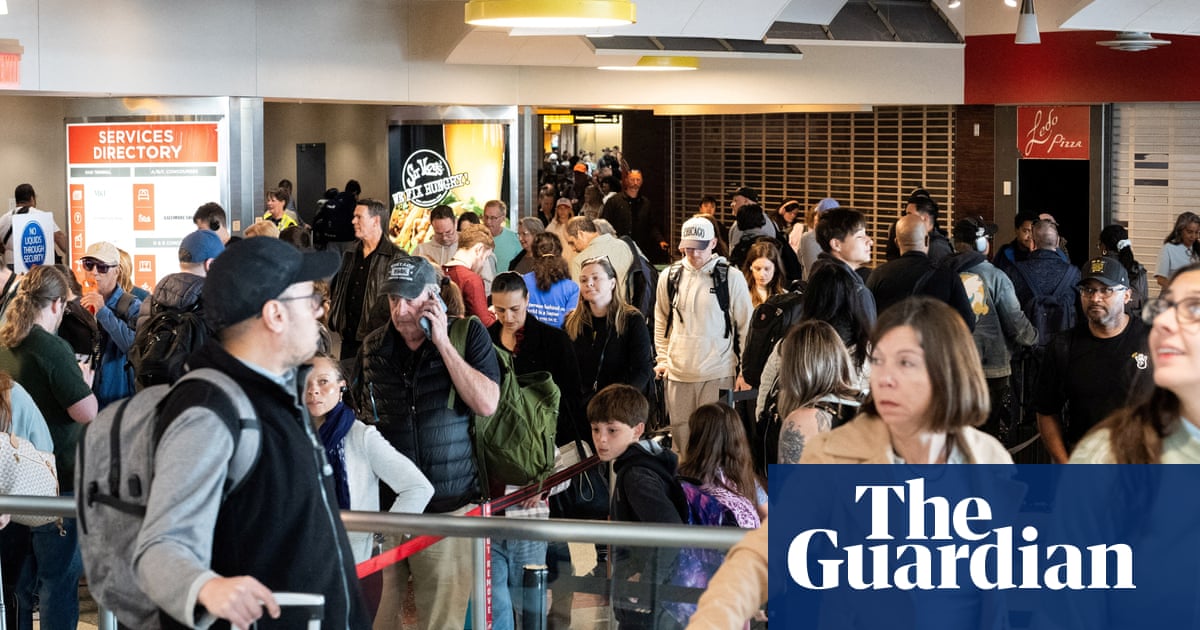
US oil prices have jumped more than 30% since the closure of the Strait of Hormuz, pushing the national average gas price to $4.56 a gallon and weighing heavily on travel economics. Spirit Airlines abruptly ceased operations on 2 May after citing higher jet fuel costs, with passengers facing higher fares and reduced competition across many routes. Broader travel demand remains resilient, but consumers are shifting to buses, rail, and more expensive alternative flights as energy-driven costs continue to rise.
The first-order read is obvious: higher fuel is a tax on transport, but the second-order impact is a forced re-pricing of the entire leisure-travel stack. When the low-cost edge disappears, the industry doesn’t just lose one carrier; it loses the pricing anchor that kept legacy carriers from fully exploiting peak-season demand. That means yield management is likely to stay tighter for months, not weeks, because the replacement capacity is structurally more expensive and less elastic.
The bigger winner is not airlines but the ground-transport substitutes and the premium travel complex. Rail and intercity bus operators can capture some spillover demand at the margin, but the more durable beneficiaries are companies tied to higher-income travelers who can absorb fare shocks without canceling trips. This is a classic “trade down in mode, trade up in mix” setup: fewer discretionary flyers, more spend per trip among those who still go, and better economics for operators with pricing power.
For airlines, the real risk is a negative feedback loop: higher fuel costs force fare increases, fare increases suppress volume, and lower load factors make the fixed-cost problem worse. That dynamic is most dangerous for carriers with weak balance sheets or narrow route networks over the next 1-2 quarters, especially if oil stays elevated into late summer booking season. A policy backstop is possible, but the fact that no assistance materialized suggests the market should not assign much value to rescue optionality unless fuel spikes another 10-15% from here.
The contrarian angle is that demand may be more resilient than feared because consumers are increasingly financing vacations rather than forgoing them. That supports nominal revenue, but it does not rescue margin for the weakest operators; in fact, it may intensify competitive bifurcation as stronger brands capture share. So the most actionable setup is not a broad short on travel, but a dispersion trade favoring pricing power and against subscale low-cost carriers.
AI-powered research, real-time alerts, and portfolio analytics for institutional investors.
Request DemoOverall Sentiment
strongly negative
Sentiment Score
-0.62
Ticker Sentiment
