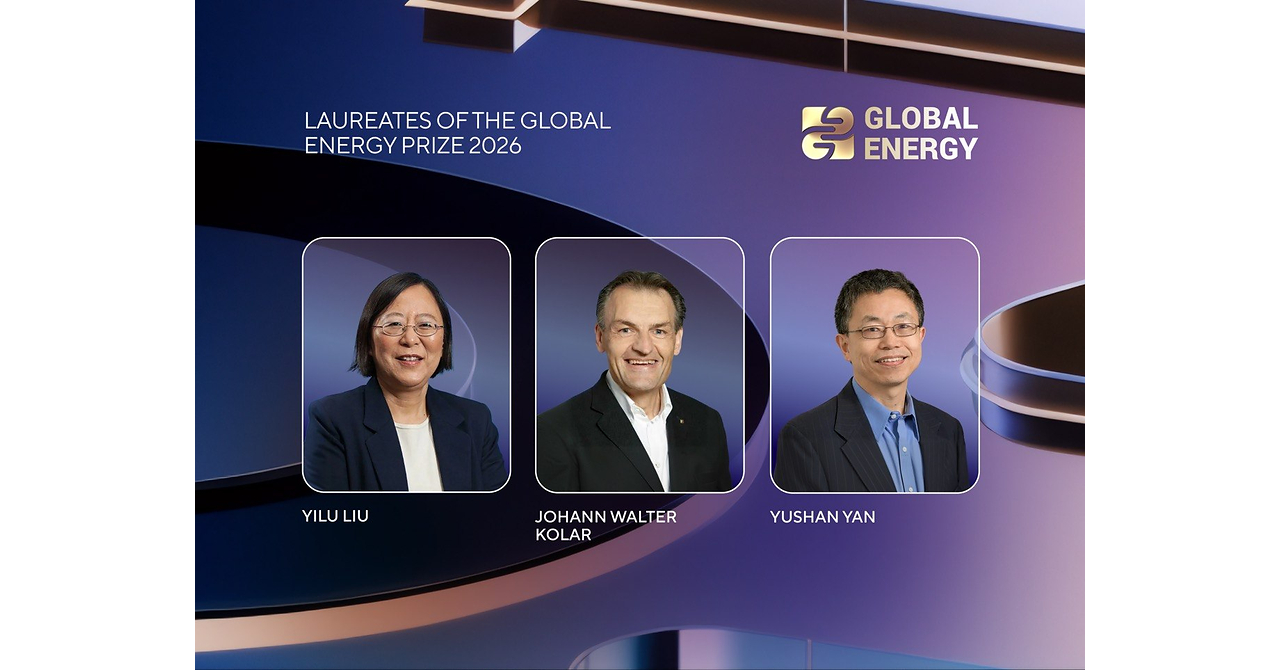
El Premio Mundial de Energía 2026 fue otorgado a tres investigadores por avances en redes inteligentes, hidrógeno limpio y conversión eficiente de energía para movilidad eléctrica y renovables. El reconocimiento destaca aplicaciones prácticas ya en curso para abordar desafíos energéticos globales. El impacto financiero es limitado para mercados, pero es una señal positiva para tendencias tecnológicas en transición energética.
This is a sentiment-positive signal for the industrials that monetize energy transition infrastructure, but it is not a catalyst by itself. The market should translate the award into a modest read-through for grid observability, power conversion, and hydrogen equipment vendors with existing commercial pathways, while avoiding the mistake of valuing research validation as revenue visibility. The clearest beneficiaries are recurring-revenue grid and electrification names such as ITRI, ETN, HUBB, and PWR; they gain from utility spending on resilience and distributed-generation integration more than from the headline itself.
For hydrogen, the second-order effect is more skeptical: scientific progress does not close the gap on delivered-cost parity, utilization rates, or offtake bankability. That means the real winners are likely the enabling capex suppliers, not the pure-play hydrogen equities that still trade on policy expectation and balance-sheet endurance. In PLUG/BE-type names, any near-term pop is more likely to be sentiment-driven than fundamental, and could fade unless it is accompanied by contract wins, subsidy monetization, or lower power costs.
Over 6-18 months, the durable theme is grid modernization and power electronics tied to AI load growth, EV adoption, and renewable intermittency. That favors a patient long in quality electrification proxies on weakness, but the trade is rate-sensitive and capex-cycle-sensitive; if utility spending slows or financing conditions tighten, multiples can compress quickly. The contrarian miss is that academia headlines often get misread as commercialization milestones, when the bottleneck is actually procurement, permitting, and project finance.
AI-powered research, real-time alerts, and portfolio analytics for institutional investors.
Overall Sentiment
mildly positive
Sentiment Score
0.20
