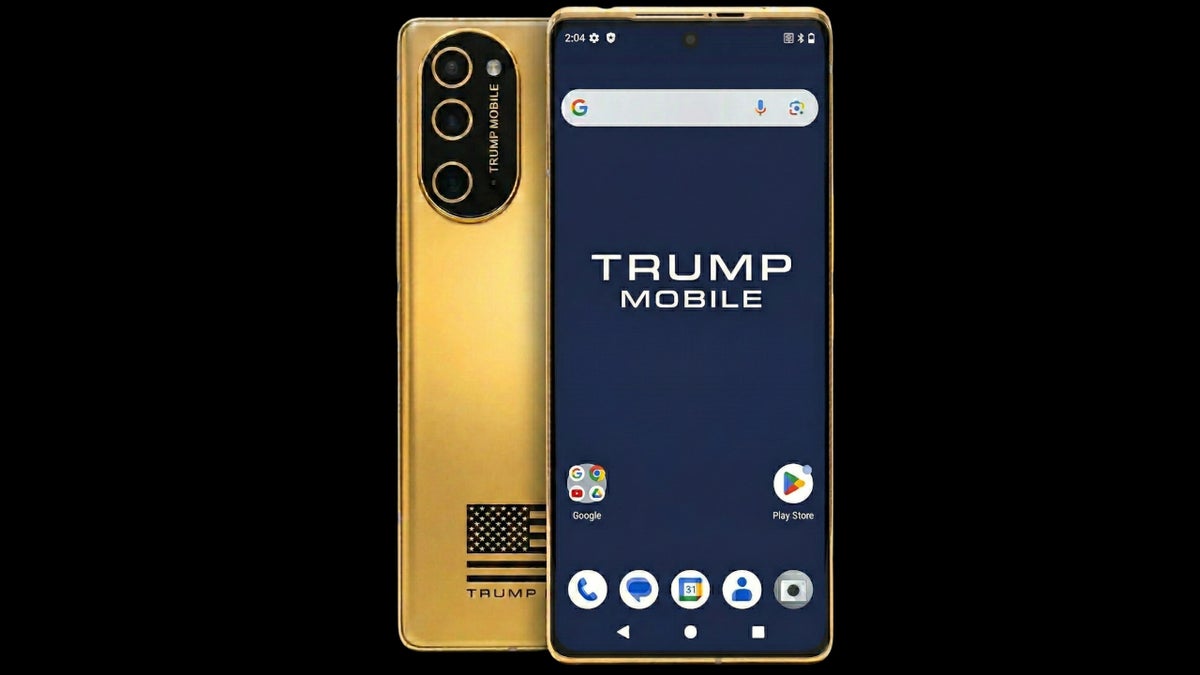
Trump Mobile's T1 Phone remains unreleased despite 590,000 $100 deposits, implying $59 million in preorder revenue, while updated terms state the deposit is only a conditional opportunity and not a binding purchase. The revised terms say Trump Mobile may never offer the device, can change pricing/specs, and is not liable for delays from parts shortages or regulators. The change raises legal and consumer-protection questions and increases the risk that the phone may be canceled or materially altered.
This reads less like a handset launch failure and more like a consumer-finance and regulatory exposure story. The language shift around the deposit materially reduces fulfillment optionality and increases the probability that the cash was functioning as quasi-working capital rather than true backlog; that raises the odds of an FTC/state AG inquiry even if no handset ever ships. The reputational damage is also asymmetric: every additional month of silence converts the deposit base from “excited preorder” to “victim pool,” which tends to harden complaint rates and class-action economics.
The market-relevant second-order effect for QCOM is not direct revenue leakage, but narrative contamination. A high-profile non-launch can reinforce skepticism around premium Android demand and slow the halo effect for adjacent Snapdragon-led branded devices, especially if consumer willingness-to-pay is already softening. However, this is still a rounding error versus QCOM’s handset exposure, so any selloff on headline risk should be fadeable unless broader OEM demand data deteriorates alongside it.
The bigger catalyst stack is legal, not commercial: refunds, network-compatibility ambiguity, and spec changes create multiple claim vectors if the device never comes to market. That process risk could unfold over months, with the most acute drawdown likely when consumer complaints or subpoenas surface, not on the article itself. Conversely, the bearish setup reverses only if the company announces a real SKU with verifiable carrier certification and a shipping date inside one quarter; absent that, this remains a credibility bleed with a long half-life.
Contrarian take: the core issue may be less fraud than manufacturing underwrite failure. If so, the deposits are more likely to be returned than permanently lost, which limits eventual monetary damage but does not repair trust. That distinction matters: headline outrage can persist even when balance-sheet harm is capped, so the tradable edge is in litigation/misrepresentation risk, not in assuming a large direct consumer-loss number.
AI-powered research, real-time alerts, and portfolio analytics for institutional investors.
Request DemoOverall Sentiment
moderately negative
Sentiment Score
-0.45
Ticker Sentiment
