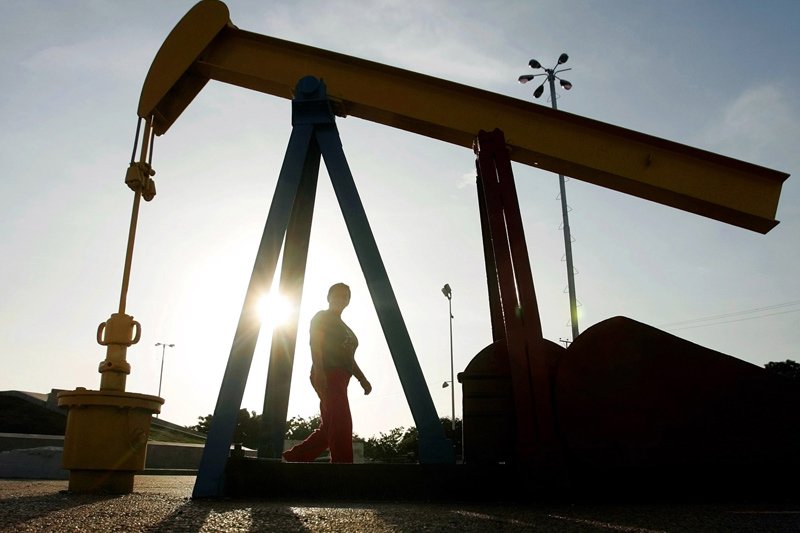
Brazilian economists lifted their Selic rate forecast for end-2027 to 11.25% from 11% as inflation stays above the 3% target through 2029. The outlook is being pressured by strong domestic demand, elevated oil prices, and new stimulus measures from President Lula, while the policy rate remains at 14.5%. The article points to slower room for central bank easing ahead of October elections.
The first-order read is higher oil, but the more durable implication is a global inflation impulse arriving exactly where policymakers were hoping to look through it. For Brazil, the issue is not just headline CPI; higher fuel and freight costs bleed into services inflation with a lag, which makes the disinflation path stickier for longer and reduces the credibility of any near-term easing cycle. That matters most into H2 2026-H1 2027, when markets will start pricing the intersection of slower growth, political pressure, and a central bank that may be forced to pause before it can normalize.
The second-order winner is Brazil’s rate curve, not necessarily the currency outright. If the market revises the terminal Selic higher while growth slows, the front end should underperform the long end in the near term, but the bigger medium-term trade is that real yields can stay elevated longer than consensus expects, supporting carry-seeking inflows and punishing duration-sensitive domestic equity sectors. The losers are consumer discretionary, transport, and small-cap cyclicals with weak pricing power; energy shock plus stimulus is a classic mix that compresses real household purchasing power without creating enough productivity growth to offset it.
A key contrarian point: the consensus may be underestimating how much of this is an elections trade rather than a pure macro trade. If fiscal stimulus remains politically necessary, the central bank’s reaction function gets constrained and inflation expectations can de-anchor even if growth softens, which means the risk is not a one-off rate repricing but a regime shift to persistently higher nominal rates. That would favor exporters and commodity-linked names over domestic-facing beta, and it raises the odds that any rally in local risk assets is faded on better oil headlines rather than chased.
AI-powered research, real-time alerts, and portfolio analytics for institutional investors.
Request DemoOverall Sentiment
mildly negative
Sentiment Score
-0.20
