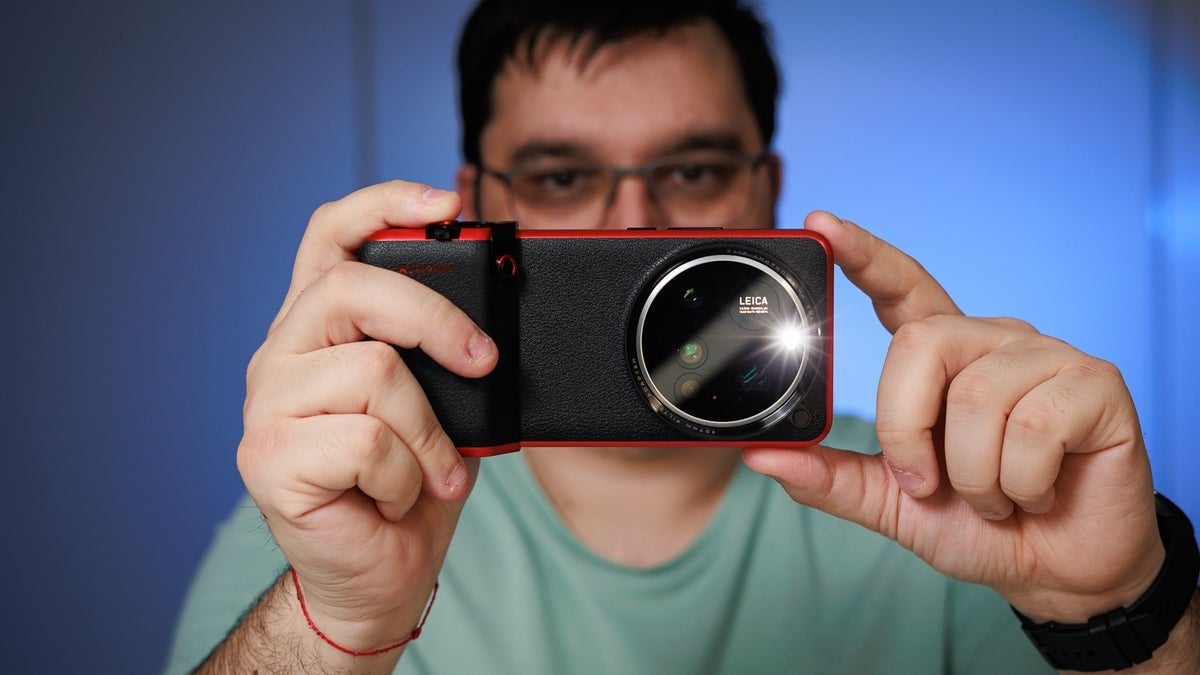
OmniVision has unveiled the OVB0D, a 200 MP 1/1.1-inch flagship smartphone sensor offering a 400k full-well capacity, 108 dB dynamic range, DCG + LOFIC Gen 2 multi-frame HDR and a dual-stage remosaic system designed to rival Sony's 1/1.12-inch LYT-901. Tipsters expect adoption by Vivo, Oppo, Xiaomi and Honor in 2026, while Samsung is reportedly declining to move to larger 200 MP sensors—opting to retain its 1/1.3-inch ISOCELL units due to component-cost and margin concerns—raising the prospect that Chinese OEMs could seize a camera-performance lead next year. Companies tied to larger sensors (OmniVision, Sony and OEMs that adopt them) stand to gain a competitive marketing edge, whereas Samsung may face product-perception risk if rivals execute superior image processing.
Market structure: Winners are Sony (SONY) and OmniVision (design-win beneficiaries) plus Chinese OEMs (Vivo/Oppo/Xiaomi/Honor) that adopt 1/1.1" 200MP sensors early, which can command a perceived camera-performance premium and support $50–$150 higher ASPs on flagships in 2026. Losers are Samsung’s flagship camera narrative and any 1/1.3" sensor incumbents; if adoption is concentrated among 3–4 OEMs, premium segment share could shift 3–8 percentage points in key APAC/EMEA markets over 12–18 months. Larger sensors will likely carry a 15–35% cost premium and create short-term capacity constraints in advanced wafer fabs and high-end packaging suppliers.
Risk assessment: Tail risks include yield failures (first-article yield <60%), export controls limiting Chinese adoption, or rapid software mitigation that nullifies hardware advantages — each could erase expected premium within 3–9 months. Short-term (0–3 months) alpha will track partner announcements and yield reports; medium-term (3–12 months) depends on volume shipments and OEM marketing; long-term (12–36 months) depends on software/AI ISP parity and consumer willingness to pay higher ASPs. Hidden dependencies: ISP/SoC integration (Qualcomm/MediaTek) and lens/module supply will determine practical image gains more than raw sensor specs.
Trade implications: Direct play is strategic long exposure to SONY via 9–15 month calls or 2–3% cash position sized for +25–40% upside if Sony secures multiple design wins by mid‑2026; consider a small short on Samsung Electronics (SSNLF) or device-tier suppliers if Samsung confirms no upgrade. Use call spreads to limit premium decay; volatility should spike around MWC/launch windows. Rotate 1–2% portfolio weight into semiconductor equipment and advanced packaging names (ASML, or high-end OSATs) for a 12–24 month cycle.
Contrarian angles: Consensus assumes hardware wins translate directly to market share — history (the 108MP wave) shows software/marketing often closes gaps; the market may be underpricing Samsung’s software/IP advantage and overpricing sensor-only narratives. If OEMs pass higher sensor costs to consumers and volumes soften, component suppliers could see margin compression — an opportunity to short low-visibility module suppliers if margins fall >200bps over two quarters.
AI-powered research, real-time alerts, and portfolio analytics for institutional investors.
Request DemoOverall Sentiment
mildly positive
Sentiment Score
0.22
Ticker Sentiment
