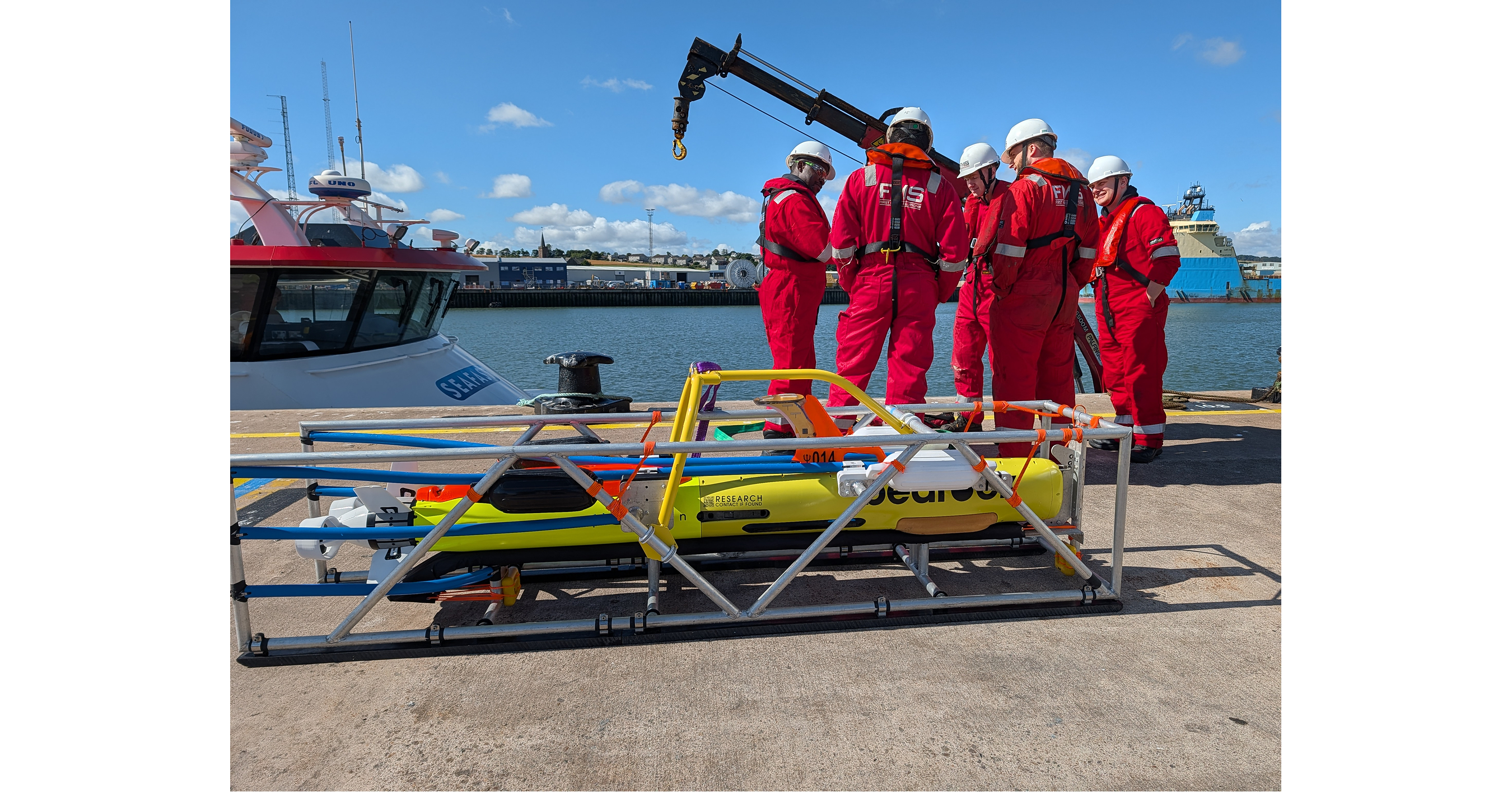
Bedrock a annoncé un partenariat pluriannuel avec First Marine Solutions (FMS) pour déployer la technologie d’intelligence océanique autonome à Aberdeen (mer du Nord), avec la mise en service de véhicules sous-marins autonomes sur site. Le dispositif vise à réduire les délais d’intervention et à permettre une exécution locale (formation et maintenance sur place) plutôt que des retours aux États-Unis. L’accord renforce une offre intégrée pour l’énergie offshore/les infrastructures marines, soutenue par un argument de réduction des coûts et de rapidité de traitement des données.
This is a validation event for autonomous subsea workflows, not an earnings event. The economic value is in cutting vessel days, mobilization friction, and offshore labor intensity, which matters most for North Sea operators and offshore wind/cable projects where downtime is expensive and weather windows are tight. The first-order winner is the service integrator that owns local execution; the second-order winner is any operator with recurring inspection demand that can shift spend from manual survey hours to higher-frequency, lower-disruption monitoring.
The more interesting loser set is the traditional survey/ROV stack that monetizes scarce vessels, crews, and mobilization. If autonomous systems keep proving reliable in harsh environments, pricing pressure should show up first in routine inspection and data-gathering work, then in lower asset utilization for legacy fleets over 6-18 months. But the near-term impact is modest: without visible backlog conversion, this is mostly a channel-building announcement rather than a measurable revenue step-up.
The contrarian view is that the market may overestimate how fast offshore procurement changes. Certification, insurance, and customer acceptance usually lag technology by quarters, and the local partner may capture more margin than the autonomy vendor because trust and response-time matter more than hardware. What would falsify the bearish read on legacy survey names is a sequence of repeat deployments or disclosed contract wins showing autonomous jobs replacing vessel-based work at scale rather than coexisting with it.
AI-powered research, real-time alerts, and portfolio analytics for institutional investors.
Request DemoOverall Sentiment
mildly positive
Sentiment Score
0.25
