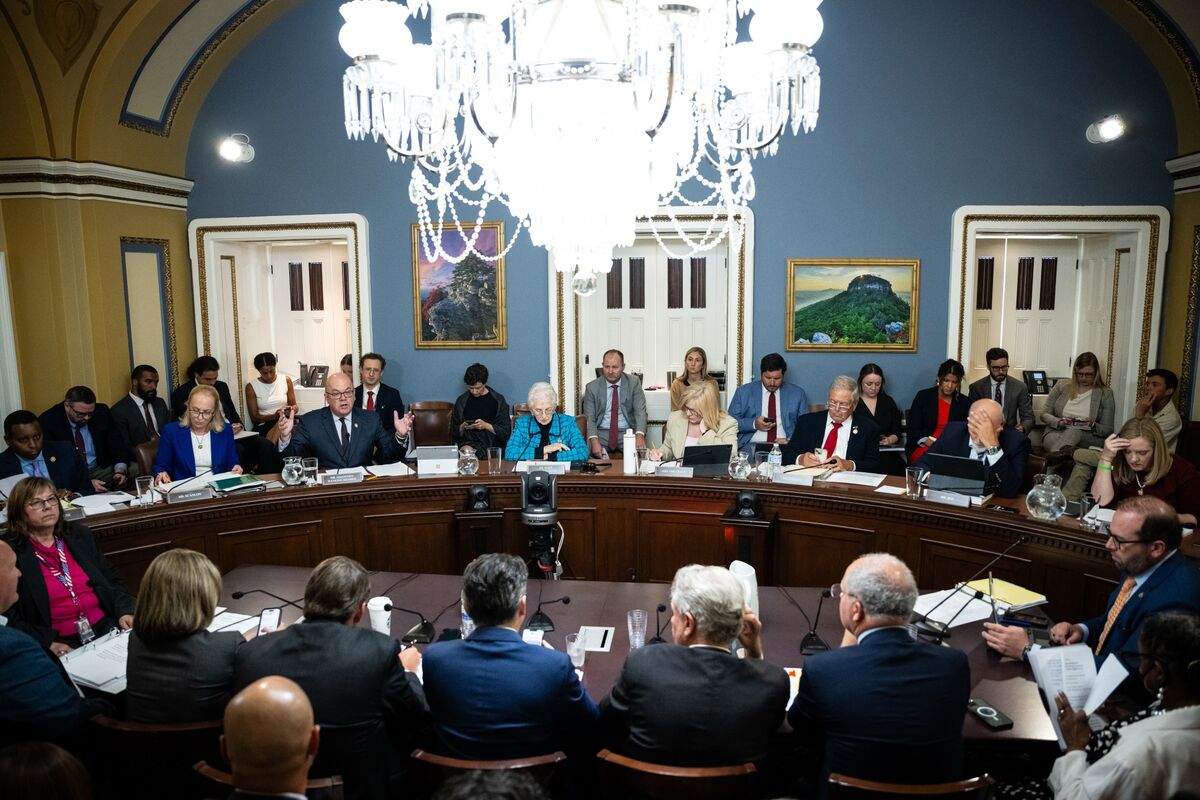
Donald Trump's multi-trillion-dollar tax bill is encountering unexpected Republican resistance in the House from both moderate and ultra-conservative GOP lawmakers, threatening to derail a core component of the president's domestic agenda. House members are set to vote Wednesday on the Senate-approved version, which narrowly passed that chamber via Vice President JD Vance's tie-breaking vote, highlighting the bill's precarious path to enactment.
A key piece of the Trump administration's domestic agenda, a multi-trillion-dollar tax bill, is facing significant execution risk ahead of a scheduled House vote on Wednesday. The legislation's passage is uncertain due to internal opposition from both moderate and ultra-conservative factions of the Republican party, indicating a fractured consensus within the majority. This internal resistance is particularly concerning given the bill's precarious journey through the Senate, where it passed only with a tie-breaking vote from the Vice President. The situation generates a 'moderately negative' sentiment and an 'uncertain' tone for market participants, as the failure to pass this cornerstone fiscal policy could undermine confidence in the administration's ability to govern and deliver anticipated economic stimulus. The high market impact score of 0.6 underscores the event's importance, suggesting that its outcome will be a primary driver of near-term market sentiment and volatility.
AI-powered research, real-time alerts, and portfolio analytics for institutional investors.
Request DemoOverall Sentiment
moderately negative
Sentiment Score
-0.50
