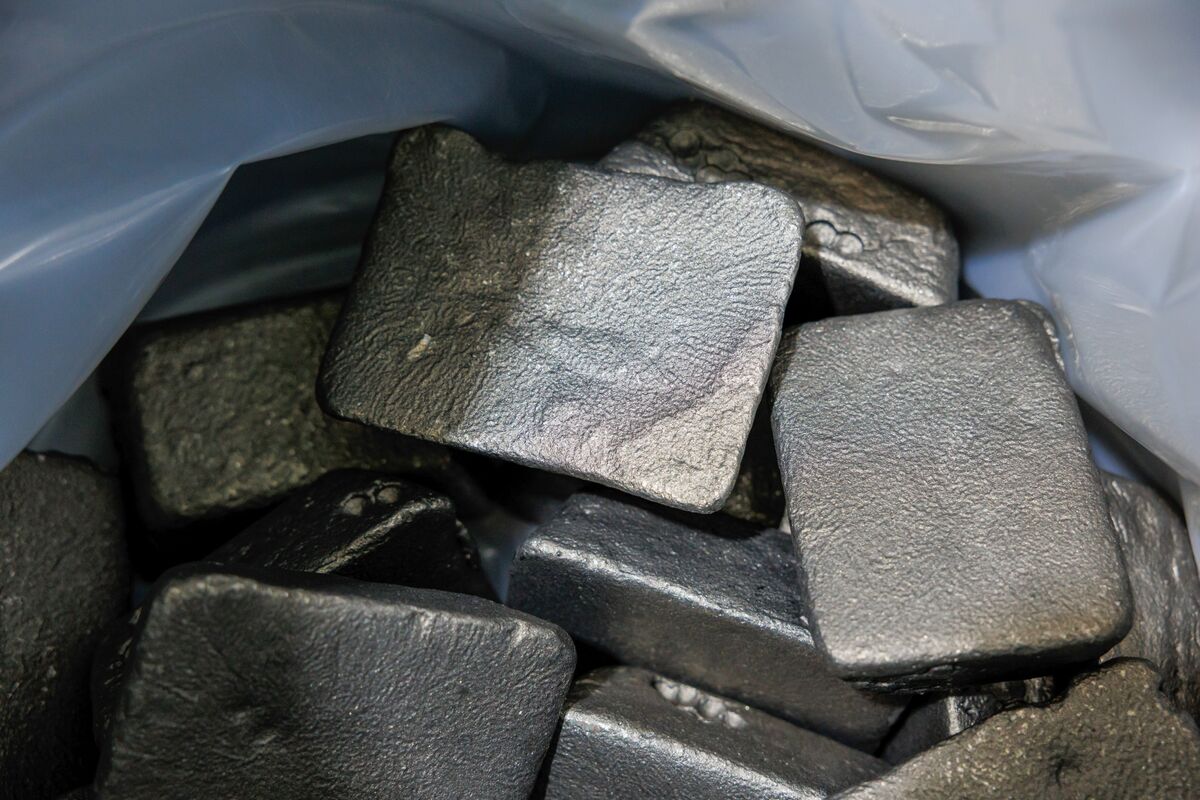
Norway’s central government is taking over planning for the Fens rare earth deposit in Nome after the municipality requested state intervention due to land-use conflicts. The deposit is described as Europe’s largest documented rare earth occurrence, with strategic relevance for electronics and defense supply chains. The move is procedural rather than financial, but it could improve project visibility for a critical minerals asset.
This is less a near-term supply event than a governance de-risking step that increases the odds the project survives the long administrative runway needed for any EU strategic mineral asset. The first-order winner is the Norwegian state, which gains optionality to position the deposit as a strategic-input asset rather than a purely local land-use issue; the second-order winner is the broader European mining/services stack if this becomes a template for faster central approval of critical-mineral projects. The immediate loser is local permitting leverage: once the state steps in, project economics become more dependent on national industrial policy and less on municipal objection, which usually compresses political delay but does not eliminate environmental litigation.
The bigger market implication is for substitution and supply-chain positioning rather than direct equity exposure. If the project advances, it modestly improves Europe’s bargaining power against Chinese processing dominance, but the real gap remains downstream separation/refining capacity, where bottlenecks are likely to persist for years even if extraction moves forward. That means the most levered beneficiaries are not generic miners but firms tied to beneficiation, metallurgical processing, environmental engineering, grid/power buildout, and defense supply-chain localization.
The contrarian risk is that investors overprice ‘permit progress’ as supply arrival. Rare earth projects typically face multi-year sequencing risk: local handoff only reduces one veto point; it does not solve capex inflation, water/permitting constraints, ESG challenge risk, or offtake financing. If European policy momentum stalls or commodity prices soften, the project can remain strategically important yet economically unattractive, limiting follow-through in related equities.
From a timing perspective, this is a months-to-years catalyst, not a days-to-weeks trade. Any rally in European critical-mineral names should fade if there is no subsequent evidence of financing, offtake, or permitting milestones within 1-2 quarters. The better setup is to use policy headlines to express relative value versus broad industrials, because the upside is asymmetric on specific enablers while headline risk is still high.
AI-powered research, real-time alerts, and portfolio analytics for institutional investors.
Request TrialOverall Sentiment
neutral
Sentiment Score
0.05
