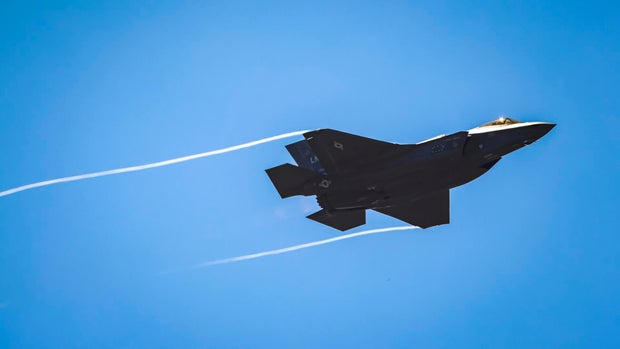
Brent crude is trading around $107/barrel, roughly +47% since the conflict began on Feb. 28, as sustained Iranian strikes on Gulf energy infrastructure and a second-day attack on a Kuwaiti refinery keep supply risk elevated. Regional escalation includes Iranian missile/drone strikes on Kuwait and other Gulf states, Israeli strikes on Tehran, and the reported emergency landing of a U.S. F-35 after a possible hit; these events are prolonging disruption to oil and gas flows. Expect continued volatility and risk-off positioning across energy markets and related sectors until a de-escalation occurs.
The market is pricing a prolonged Gulf-focused supply shock into energy and risk assets, but the second-order mechanics matter more than headline strike counts. Rerouting tankers around the Cape and diverting VLCC/Suezmax liftings raises freight days and bunker consumption, effectively reducing available export tonnage by a transitory logistics haircut (we estimate a 15–30% effective drop in loadings for affected sailings over the next 4–8 weeks). That amplifies price sensitivity to any incremental refinery outage because spare seaborne capacity becomes the marginal swing factor.
Refiners with access to light sweet crude and discretionary run-rates become immediate profit centers while integrated majors and service contractors capture steady cash flows from higher utilization and emergency work. U.S. unconstrained shale remains the fastest physical response but is supply-capped by takeaway, labor, and permitting; expect material incremental volumes only across 1–3 quarters rather than days. Financially, independents convert a far larger share of incremental Brent upside into free cash flow versus majors, but balance-sheet dispersion is wide — pick names with low decline curves and flexible capex.
Geopolitical tail risk is asymmetric: a material escalation targeting chokepoints or western military assets could make the current risk premium persist for months and trigger coordinated policy responses (strategic releases, sanctions carve-outs). Conversely, diplomatic backchannels and visible increases in non-Gulf loadings (e.g., opportunistic OPEC+ behavior) can unwind a large portion of the premium within 6–12 weeks. Position sizing should therefore treat the current premium as risky carry: hedgeable, time-boxed, and calibrated to event horizons rather than binary outcomes.
AI-powered research, real-time alerts, and portfolio analytics for institutional investors.
Request DemoOverall Sentiment
strongly negative
Sentiment Score
-0.85
