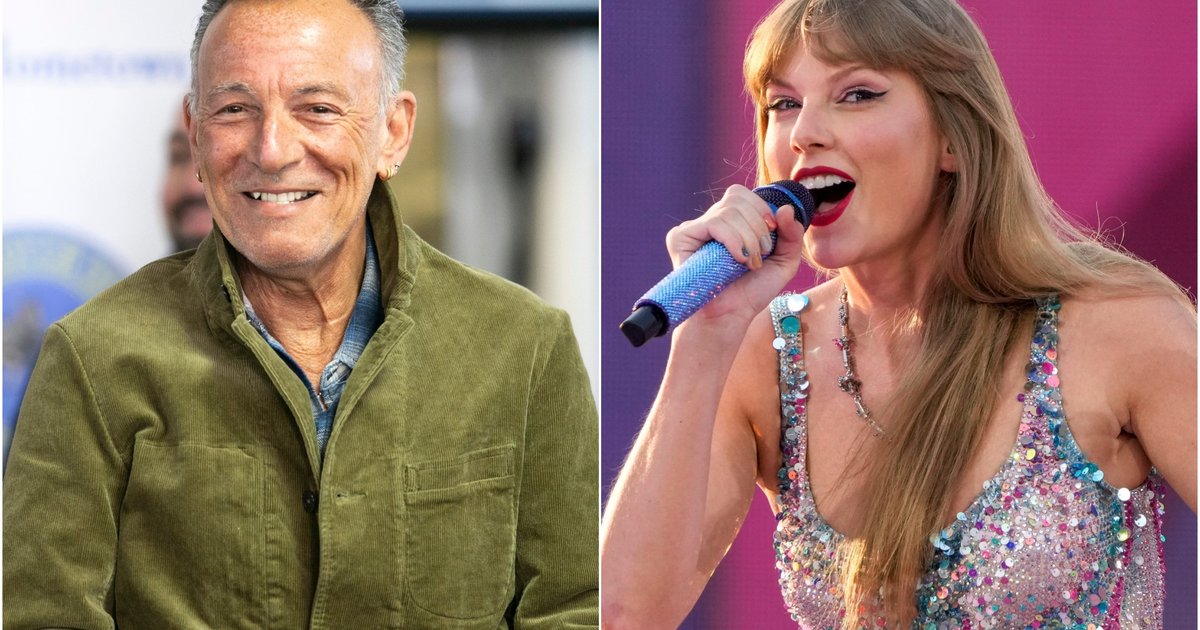
Forbes reports five recording artists have crossed the billion-dollar threshold: newly added Beyoncé—driven by her Cowboy Carter Tour which grossed $400 million in ticket sales plus an estimated $50 million in merchandise—alongside Jay‑Z and Rihanna, Taylor Swift (Forbes estimates $1.6 billion after Eras Tour revenues and her May catalog acquisition), and Bruce Springsteen (who sold his catalog to Sony for about $500 million and disputes the billionaire label). The story highlights the material economics of large-scale touring, merchandise and music-catalog monetization, reinforcing investor interest and valuations in live-entertainment businesses and music IP transactions.
Market structure: Mega‑artist touring and catalog monetization concentrate cash flows into a small set of promoters, merch/licensing partners and large rights owners (example: Beyoncé ~$450M gross on a single tour). Winners are Live Nation (promoters/ticketing), merch/licensing vendors and diversified rights holders (SONY, UMG); losers include small independent promoters, over‑levered venue owners and speculative royalty funds that trade above NAV. Scarce arena dates plus premium VIP offerings create durable pricing power (ability to raise average ticket +5–15% and boost margin on merch by 20–40%). Cross‑asset: expect LYV credit spreads to compress if top‑line holds; LYV/SONY equity IV to rise around tour/earnings windows; FX exposure is non‑trivial for tour receipts, and higher yields increase promoter financing costs. Risk assessment: Tail risks include a macro recession slicing discretionary spend (model a 30–40% drop in tour revenue in severe recession), tour cancellations/artist litigation and potential secondary‑ticket regulation tightening. Immediate effect (days): limited; short term (weeks–months): earnings, tour announcements and sponsorship deals drive volatility; long term (1–5 years): catalog valuations and streaming royalties compound. Hidden dependencies: sponsorship deals, insurance recovery clauses, merch supply chains and royalty sharebacks to managers/publishers. Catalysts to watch in 30–180 days: new mega‑tour announcements, catalog sale filings, Live Nation and SONY earnings and major sponsor renewals. Trade implications: Direct plays — overweight Live Nation (LYV) and selective IP owners (SONY) for 6–24 months to capture promoter leverage and royalty income; underweight or short overvalued catalog funds (e.g., Hipgnosis‑style vehicles) where price > NAV. Specific option approach: defined‑risk LYV 9–12 month call spreads (buy 10% OTM / sell 30% OTM) sized to 1% portfolio to capture upside around festival/tour cycles while capping premium. Pair trade: long SONY vs short music‑royalty ETF/stock exposure where implied growth >10% p.a. unsupported by streaming trends. Entry: deploy within 2–8 weeks; exits: trim on +25% or if FY guidance misses by >5%. Contrarian angles: Market often prices celebrity tours as permanent structural growth — consensus underestimates cyclicality and financing risk; royalty funds have historically re‑rated down after yield normalization (2016–2019 parallel). Conversely, Sony‑scale diversified owners may be under‑owned; expect 15–30% upside over 12–24 months if streaming and gaming sync revenues accelerate. Unintended consequences: rising rates and champion artists’ private catalog sales could crowd out smaller buyers, causing sharp repricing in mid‑cap royalty vehicles; regulatory action on resale markets would disproportionately hurt ticketing intermediaries’ revenue mix.
AI-powered research, real-time alerts, and portfolio analytics for institutional investors.
Request DemoOverall Sentiment
mildly positive
Sentiment Score
0.35
Ticker Sentiment
