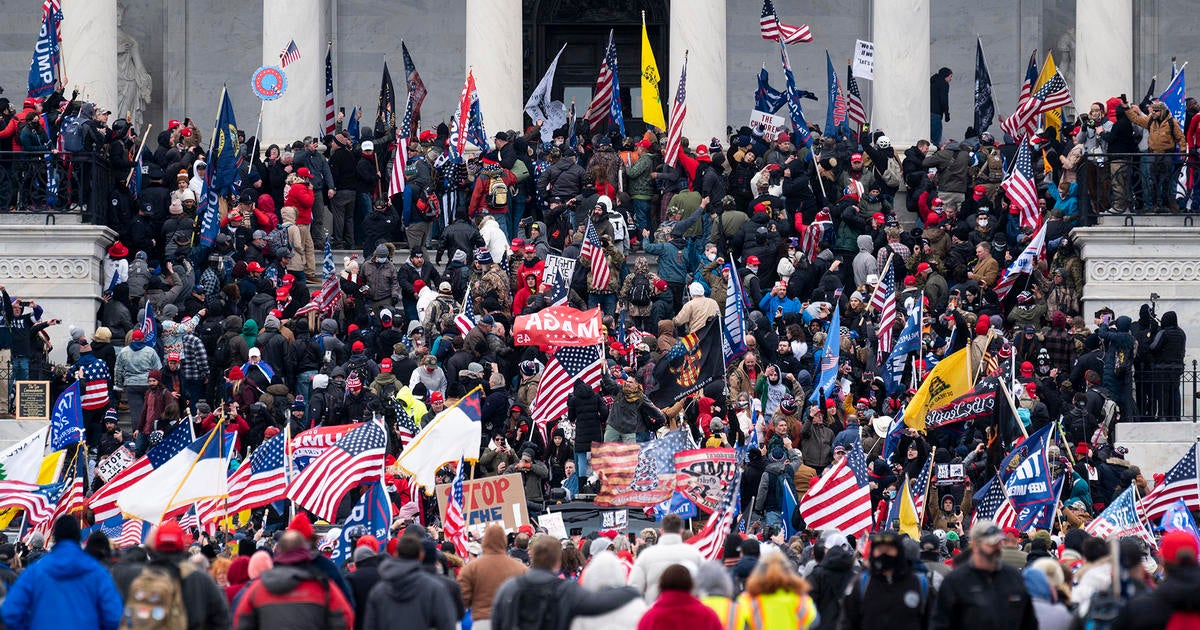
Senate Democrats including Sens. Alex Padilla and Sheldon Whitehouse have introduced bills to bar the use of federal taxpayer funds to compensate Jan. 6 defendants, including legislation to prohibit the creation of any compensation fund and the "No Settlements for 5 January 6 Law Enforcement Assaulters Act" to stop federal payment of civil settlements for defendants convicted of assaulting police. The measures respond to proposals by supporters to reimburse pardoned defendants and follow at least one Justice Department-approved civil settlement of roughly $5 million to Ashli Babbitt's family. The proposals aim to limit federal fiscal exposure and signal political and legal pushback against post‑pardons reparations for Jan. 6 participants.
Market structure: This is a narrowly targeted political/legal change with negligible macro fiscal impact (<$100m–$1bn likely). Direct winners are private litigation funders, legal-defense firms and private fundraising platforms that will fill any gap left by barred taxpayer payouts; losers are any entities or causes counting on federal settlements. Expect only modest reallocation of private capital rather than large shifts in public-credit or commodity flows over 3–24 months.
Risk assessment: Tail risks include a broader precedent curbing federal settlements that could increase private indemnification obligations (stress for small nonprofits/insurers) or provoke litigation that reaches appellate courts (2–5 year horizon). Immediate risk is political volatility around hearings (days–weeks); medium-term risk is state-level copycat laws or counter-legislation after elections (6–24 months). Hidden dependencies: DOJ settlement decisions, White House directives, and private crowdfunding success will materially change demand curves for litigation finance.
Trade implications: Direct plays favor publicly listed litigation finance (e.g., Burford Capital, ticker BUR) and security/consulting contractors that win incremental government contracts (L3Harris LHX, Booz Allen BAH); expect 5–20% upside in a successful private-funding scenario within 3–12 months. Cross-asset: marginally positive for short-term Treasuries if political risk increases demand for safe assets; equity-volatility spikes are likely around major hearings—trade event-driven volatility instruments.
Contrarian angle: Market consensus will treat this as political theater; the mispricing is in underestimating private capital stepping in—litigation financiers could see outsized, concentrated inflows if aggregate demand for defense funding exceeds $50–200m. Unintended consequence: bans push settlements off-balance-sheet into private vehicles, boosting returns (and leverage) for specialty lenders and increasing counterparty risk over 1–3 years.
AI-powered research, real-time alerts, and portfolio analytics for institutional investors.
Request DemoOverall Sentiment
neutral
Sentiment Score
0.00
