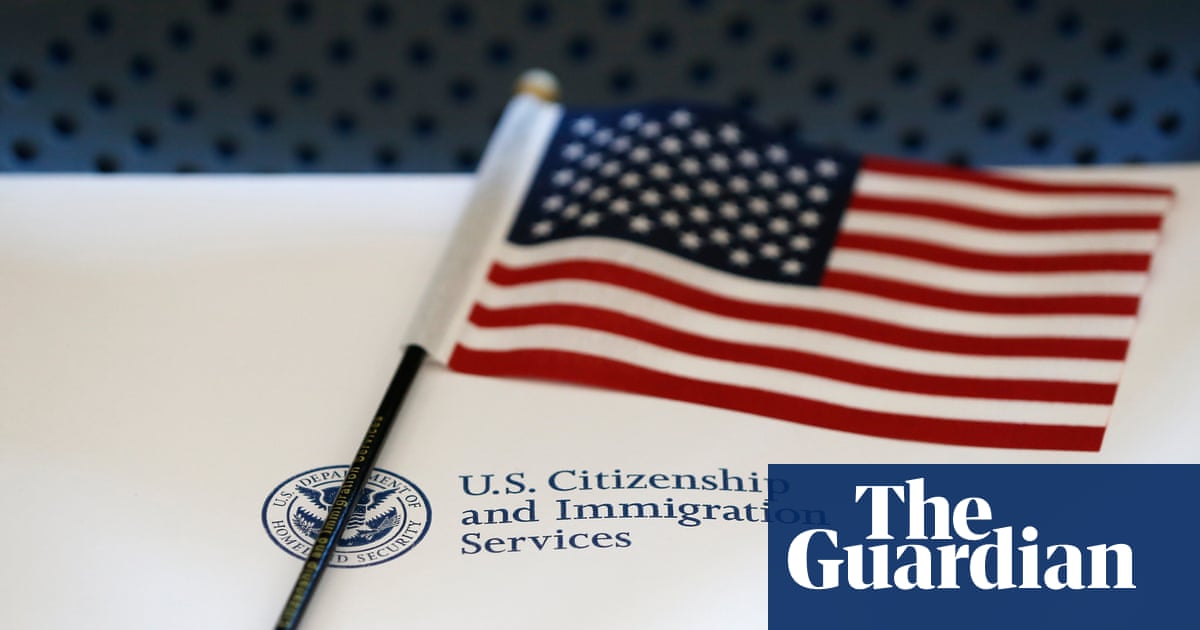
USCIS will now require many green card applicants already in the US to pursue adjustment of status from outside the country, a major policy shift affecting a process unchanged for more than 60 years. The move could force applicants to leave jobs, homes and families while cases are processed, with aid groups warning it may expose trafficking survivors and abused children to additional risk. The rule change is part of a broader Trump administration crackdown on immigration and may add pressure to an already backlogged system.
This is less a pure immigration headline than a slow-moving labor and consumption shock for the most US-exposed services subeconomy. The first-order impact is on household formation and cash flow for immigrant families, but the second-order effect is a drag on sectors that monetize mobility, legal status transitions, and discretionary spending around relocation: regional housing markets, remittance-linked demand, lower-end retail, and immigration-adjacent legal/processing ecosystems. The policy also increases time-to-resolution uncertainty, which is valuable to incumbents with balance-sheet strength and harmful to smaller operators dependent on high-volume, low-friction case flow.
The bigger market implication is that the administration is adding friction at a moment when the backlog already creates optionality for policy reversals or exemptions. That means the trade is path-dependent: in the next few weeks, headline risk is strongest in NGOs, legal services, and private providers serving immigrant communities; over months, the economic effect is more diffuse and likely shows up in weaker labor supply in agriculture, hospitality, and construction at the margin. If enforcement is uneven, the market may over-discount a nationwide revenue hit that never fully materializes.
Contrarianly, the move may be less economically powerful than the rhetoric suggests because it shifts processing geography, not eligibility, and the system can absorb some of the shock through delays rather than outright denials. That said, even delayed approvals can suppress spending and mobility quickly, so the near-term read-through is a confidence hit to consumer-facing businesses with immigrant-heavy customer bases. The more durable beneficiaries are firms with optionality around compliance, document verification, detention, and border/security services, where policy tightening tends to translate into budget durability rather than one-off headline spikes.
AI-powered research, real-time alerts, and portfolio analytics for institutional investors.
Request DemoOverall Sentiment
moderately negative
Sentiment Score
-0.35
