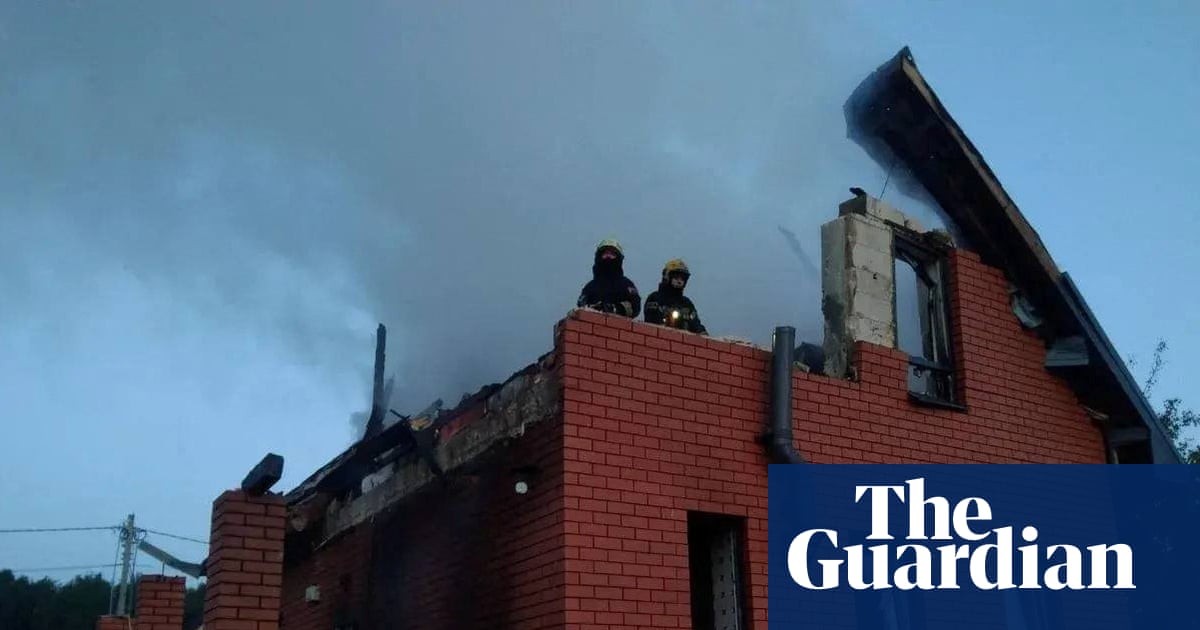
Ukraine launched nearly 600 drones in a retaliatory strike across 14 Russian regions, Crimea, and the Black and Azov seas, killing at least four people and wounding dozens. Russia said it shot down 556 drones overnight and 30 more after dawn, while Moscow’s air defenses intercepted more than 80 drones and damage was reported near an oil and gas refinery and Sheremetyevo airport. The escalation underscores continued wartime risk for Russian infrastructure, energy assets, and transportation networks amid stalled peace talks.
The immediate market read is not “higher escalation” so much as “higher variance.” Repeated deep-strike drone campaigns expand the tail risk premium on Russian logistics, refining, and aviation without requiring battlefield breakthroughs, which means the pressure can show up in insurance, route selection, and maintenance costs before it shows up in headline commodity prices. That tends to favor firms and funds with optionality on disruption rather than those needing a clean directional move.
The second-order effect is that Russia’s internal air-defense burden becomes a resource allocation problem: every drone intercepted is another unit of expenditure and operator attention diverted from front-line protection. Over weeks, that can degrade readiness around ports, rail hubs, and energy infrastructure more than the physical damage itself, especially if Ukraine sustains tempo after each Russian strike cycle. The key catalyst is not one large attack but whether this becomes a persistent weekly rhythm that forces operational changes in civilian transport and energy flows.
For energy, the market should resist extrapolating a large immediate supply shock unless strikes start consistently hitting export-critical assets rather than peripheral facilities. The more durable trade is on volatility: refiners, tanker rates, and regional gasoil pricing can reprice on perceived transit risk even if crude itself stays range-bound. The contrarian angle is that headline escalation may actually be mildly disinflationary at the margin if it increases the probability of negotiating pressure or if Russia responds by over-spending on defense rather than export preservation, limiting the chance of a sustained crude spike.
Transportation risk is understated here: air traffic in and around Moscow is the canary for broader logistics friction, and repeated disruptions can raise spillover costs for domestic freight, express delivery, and time-sensitive cargo. If attacks continue into the next 2-6 weeks, expect a growing gap between the resilience of large incumbents and the operating leverage of smaller carriers, warehouse operators, and local service providers exposed to schedule disruption.
AI-powered research, real-time alerts, and portfolio analytics for institutional investors.
Request DemoOverall Sentiment
strongly negative
Sentiment Score
-0.78
